

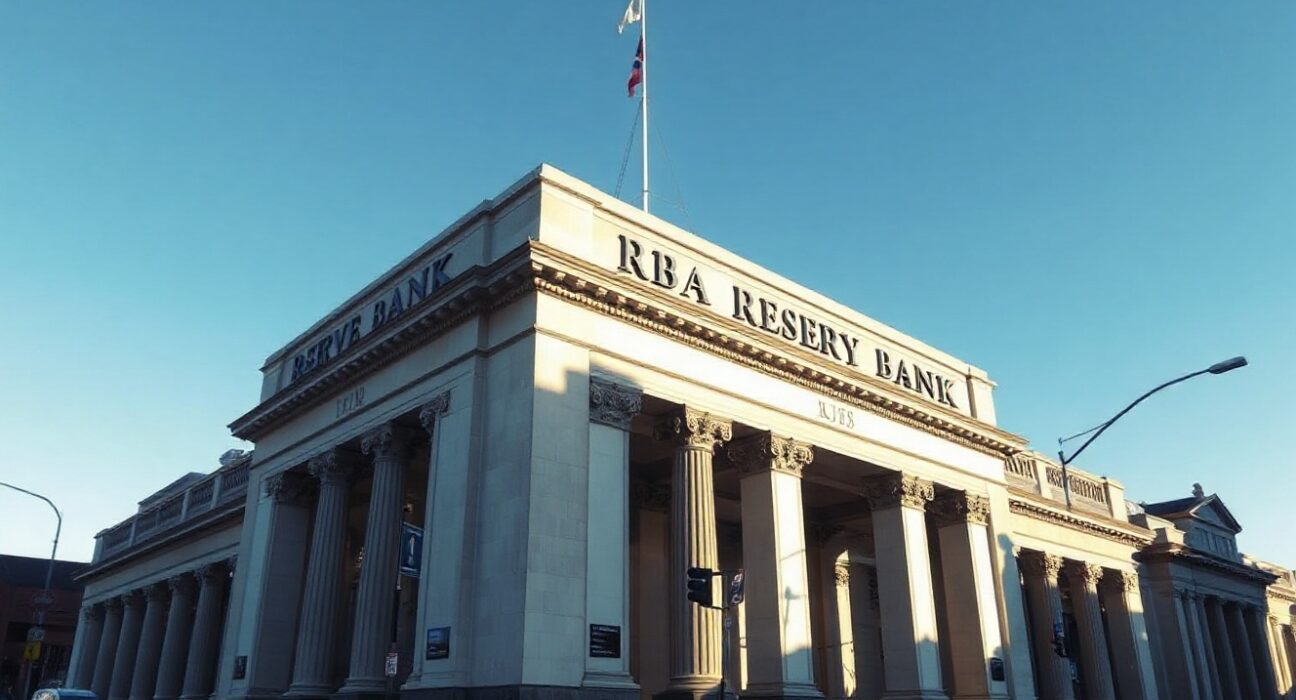
The Australian Bureau of Statistics reported on Thursday that the nation’s unemployment rate fell to 4.4% in May, down from 4.5% in April and slightly below market expectations of 4.5%. The data, which also showed a net addition of 39,700 jobs, has injected fresh volatility into the AUD/USD currency pair and shifted expectations around the Reserve Bank of Australia’s next policy moves.
Labor Market Strength Surprises Markets
May’s employment figures exceeded consensus forecasts, with full-time employment rising by 29,000 positions and part-time employment adding 10,700. The participation rate held steady at 66.8%, indicating that labor demand remains robust even as the economy navigates a period of elevated interest rates and global uncertainty. The monthly hours worked also increased by 0.5%, suggesting that existing employees are taking on more hours rather than employers relying solely on new hires.
This data point is particularly significant because it follows several months of mixed signals from the Australian economy. While inflation has moderated from its 2022 peaks, it remains above the RBA’s 2–3% target band, and household spending has shown signs of strain. A tighter labor market complicates the central bank’s balancing act between containing inflation and avoiding a hard economic landing.
AUD/USD Reacts: Immediate Volatility and Direction
The Australian dollar strengthened against the U.S. dollar immediately following the release, with AUD/USD climbing from around 0.6650 to test the 0.6680 resistance level. The move reflects increased market pricing for a potential RBA rate hike at the next policy meeting in July, or at least a delay in any expected rate cuts.
Currency traders are now weighing the labor report against other key inputs, including the RBA’s own forward guidance and global risk sentiment. A sustained move above 0.6700 would signal that markets are pricing in a more hawkish RBA stance, while a failure to hold gains could indicate that broader macroeconomic headwinds—such as China’s slowing economy and persistent U.S. dollar strength—are capping the Aussie’s upside.
What This Means for Borrowers and Businesses
For Australian households and businesses, the labor market resilience is a double-edged sword. On one hand, low unemployment supports wage growth and consumer confidence. On the other, it gives the RBA less room to ease monetary policy, meaning mortgage holders and businesses with variable-rate debt may face a longer period of high borrowing costs.
Economists at major Australian banks have revised their rate forecasts in response to the data. While most still expect the RBA to hold rates steady in July, the probability of a 25-basis-point hike has risen from roughly 10% before the release to around 25% afterward, according to swap market pricing.
Conclusion
Australia’s May unemployment report adds a fresh layer of complexity to the economic outlook. The labor market’s strength suggests the economy retains more momentum than many had assumed, but it also reduces the likelihood of near-term rate relief. For AUD/USD traders, the focus now shifts to upcoming inflation data and the RBA’s July meeting minutes for further directional cues. The 4.4% unemployment rate is a positive headline for workers, but its implications for monetary policy mean that markets and households alike should brace for continued uncertainty.
FAQs
Q1: Why does the unemployment rate affect AUD/USD?
A: The unemployment rate is a key indicator of economic health. A lower-than-expected rate often strengthens the Australian dollar because it increases the likelihood that the RBA will keep interest rates high or raise them further, attracting foreign capital seeking higher yields.
Q2: Will the RBA raise interest rates in July?
A: While the May labor data has increased the probability of a rate hike, most economists still expect the RBA to hold rates steady at 4.35% in July. The central bank will weigh this report against upcoming inflation and retail sales data before making a final decision.
Q3: How does Australia’s employment data compare to other developed economies?
A: Australia’s unemployment rate of 4.4% is relatively low by historical standards and compares favorably to many other developed nations. For context, the U.S. unemployment rate was 4.0% in May, while the euro area rate stood at 6.4%. Australia’s labor market has remained remarkably tight despite a sharp tightening cycle.
Disclaimer: The information provided is not trading advice, Bitcoinworld.co.in holds no liability for any investments made based on the information provided on this page. We strongly recommend independent research and/or consultation with a qualified professional before making any investment decisions.
