

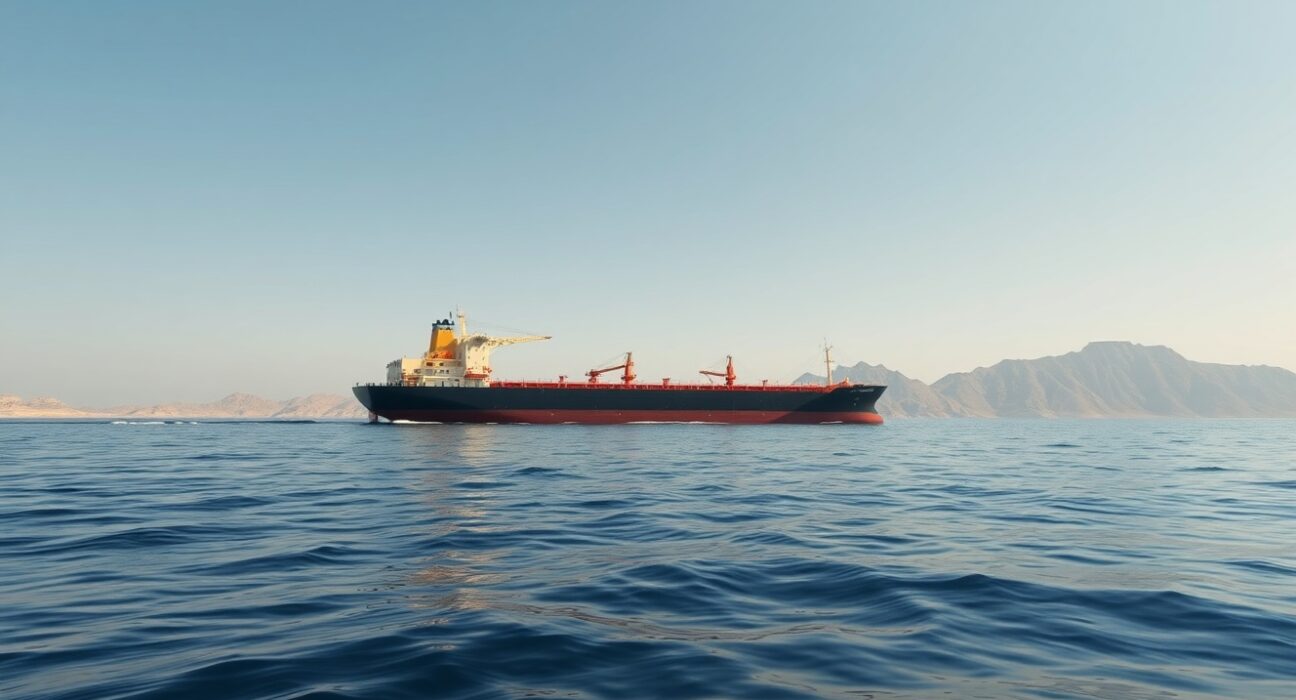
Oman’s Foreign Minister has publicly dismissed concerns over the safety of the Strait of Hormuz, a critical chokepoint for global oil shipments, stating that maritime traffic continues to flow without disruption. The statement comes amid heightened regional tensions and speculation about potential blockades affecting energy markets.
Official Reassurance from Muscat
Speaking to international media, the Omani minister emphasized that there are no immediate threats to navigation in the strait, which handles roughly one-fifth of the world’s petroleum consumption. The comments are intended to calm nervous markets and reassure shipping companies and insurers who have been pricing in higher risk premiums for vessels transiting the waterway.
Oman, which sits strategically along the southern coast of the strait, has historically maintained a neutral diplomatic stance in regional conflicts, often acting as a mediator. This latest statement aligns with that role, providing a factual counterweight to more alarmist assessments circulating in financial and geopolitical circles.
Market and Supply Chain Context
The Strait of Hormuz connects the Persian Gulf with the Gulf of Oman and the Arabian Sea. Any significant disruption to shipping there would immediately impact oil prices and global supply chains. In recent weeks, analysts had flagged increased risks due to ongoing military posturing in the region.
Oman’s clarification is significant because it comes from an authoritative local source with direct knowledge of maritime conditions. The country’s coast guard and port authorities maintain continuous monitoring of the strait, and their assessment carries weight with both regional partners and international shipping bodies.
Why This Matters for Energy Markets
For investors and energy traders, the difference between a perceived threat and an actual operational hazard can swing crude oil prices by several dollars per barrel. By publicly ruling out an imminent toll or blockade, Oman’s government is effectively providing market participants with a clearer, less speculative basis for their risk assessments.
This development also underscores the importance of reliable, fact-based reporting from regional sources. In an environment where misinformation can trigger unnecessary volatility, authoritative statements from neutral actors like Oman help stabilize expectations.
Conclusion
Oman’s clear and factual reassurance that the Strait of Hormuz remains open and safe for transit should help temper exaggerated fears about supply disruptions. While broader regional tensions persist, the immediate operational reality—as confirmed by a credible local authority—is that shipping continues normally. This is a welcome signal for global energy markets and for the millions of consumers who depend on the stable flow of oil through this vital waterway.
FAQs
Q1: Why is the Strait of Hormuz so important?
The Strait of Hormuz is a narrow waterway between Oman and Iran through which about 20% of the world’s oil passes. It is the most important chokepoint for global oil shipments.
Q2: What did Oman say exactly?
Oman’s Foreign Minister stated that there are no current threats to navigation in the strait and that fears of a toll or blockade are unfounded, based on their monitoring of the area.
Q3: How does this affect oil prices?
By reducing uncertainty about a potential disruption, Oman’s statement helps lower the risk premium that traders build into oil prices, potentially stabilizing or slightly reducing crude costs in the short term.
Disclaimer: The information provided is not trading advice, Bitcoinworld.co.in holds no liability for any investments made based on the information provided on this page. We strongly recommend independent research and/or consultation with a qualified professional before making any investment decisions.
