

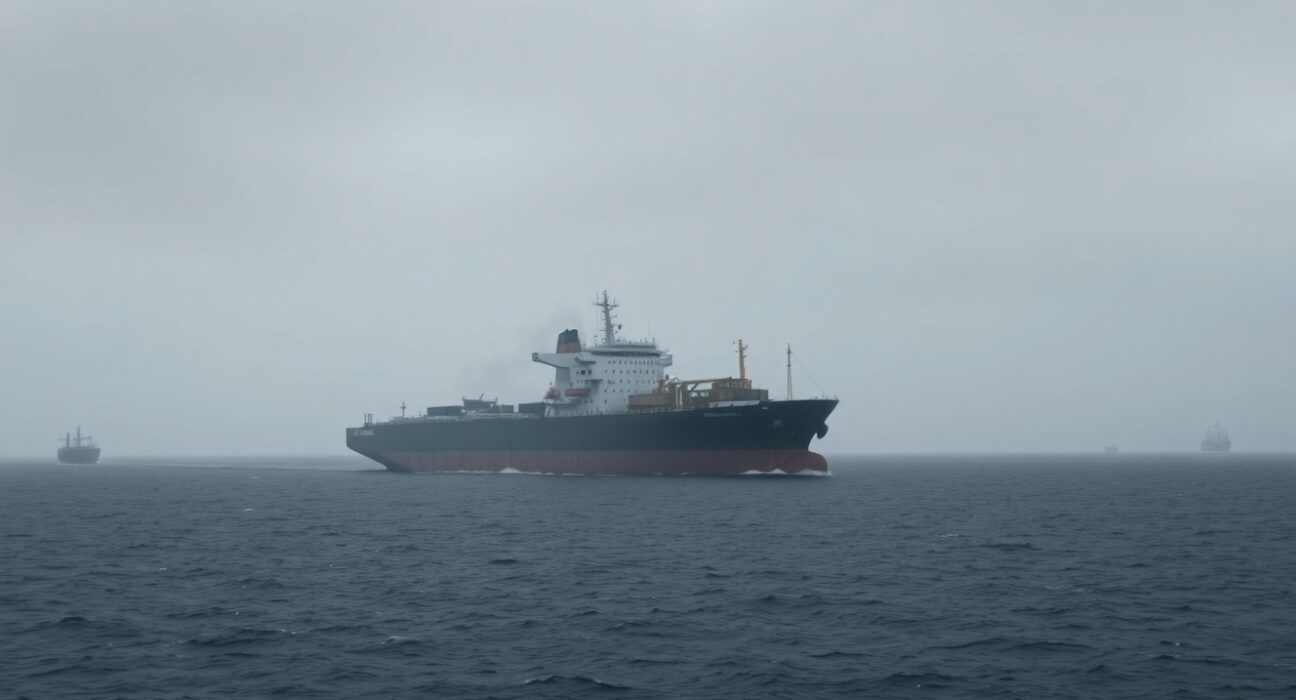
The British pound is showing signs of hesitation against the US dollar on Tuesday, as a reported attack on a commercial vessel in the Strait of Hormuz has triggered a fresh wave of safe-haven demand for the greenback. Currency markets are reacting cautiously to the geopolitical flashpoint, which threatens to disrupt oil shipping lanes and heighten broader risk aversion.
Geopolitical Tensions Resurface
Reports emerged early Tuesday of an explosion near a cargo ship transiting the Strait of Hormuz, a critical chokepoint for global oil supplies. While details remain unconfirmed, the incident has revived memories of previous maritime attacks in the region that led to temporary spikes in crude prices and a flight to safe-haven assets. The US dollar, traditionally a beneficiary of geopolitical uncertainty, has gained ground against most major currencies, including the pound.
Market Reaction and GBP/USD Dynamics
The GBP/USD pair has edged lower in early European trading, slipping below the 1.2700 handle as traders weigh the implications of the attack. The move reflects a typical risk-off shift, with investors rotating out of cyclical currencies like sterling and into the dollar. However, the pound’s decline has been relatively contained so far, suggesting that markets are awaiting more concrete information before committing to larger directional bets.
Key Levels to Watch
Immediate support for GBP/USD lies near 1.2650, a level that has held firm in recent sessions. On the upside, resistance is seen at 1.2750, where the pair stalled last week. A sustained break above that level would require a significant de-escalation of tensions or a shift in risk sentiment.
Why This Matters for Traders
The Strait of Hormuz is a vital artery for global energy markets, with roughly 20% of the world’s oil passing through its narrow waters. Any sustained disruption could push oil prices higher, feeding into inflation concerns and potentially altering central bank policy expectations. For the Bank of England, which has been navigating a delicate balance between inflation control and economic growth, a renewed energy price shock could complicate its rate path. Meanwhile, the Federal Reserve’s relatively hawkish stance continues to underpin the dollar, especially during periods of uncertainty.
Conclusion
The GBP/USD pair remains under pressure as geopolitical risks in the Middle East drive safe-haven flows into the US dollar. While the immediate market reaction has been measured, the situation remains fluid. Traders should monitor developments in the Strait of Hormuz closely, as any escalation could trigger a more pronounced shift in currency markets. The pound’s ability to hold key support levels will be a critical test of market confidence in the coming sessions.
FAQs
Q1: Why does the Strait of Hormuz attack affect the British pound?
Geopolitical tensions often drive investors toward safe-haven assets like the US dollar. Since GBP/USD is a major currency pair, any rise in dollar demand puts downward pressure on the pound.
Q2: Is this a long-term trend for GBP/USD?
It is too early to say. The current move is a short-term risk-off reaction. The long-term direction will depend on how the situation develops and whether oil prices spike significantly, which could alter central bank policy expectations.
Q3: What should traders watch next?
Key factors include official statements from maritime authorities, oil price movements, and any comments from central bank officials. Technical support and resistance levels around 1.2650 and 1.2750 will also be important.
Disclaimer: The information provided is not trading advice, Bitcoinworld.co.in holds no liability for any investments made based on the information provided on this page. We strongly recommend independent research and/or consultation with a qualified professional before making any investment decisions.
