

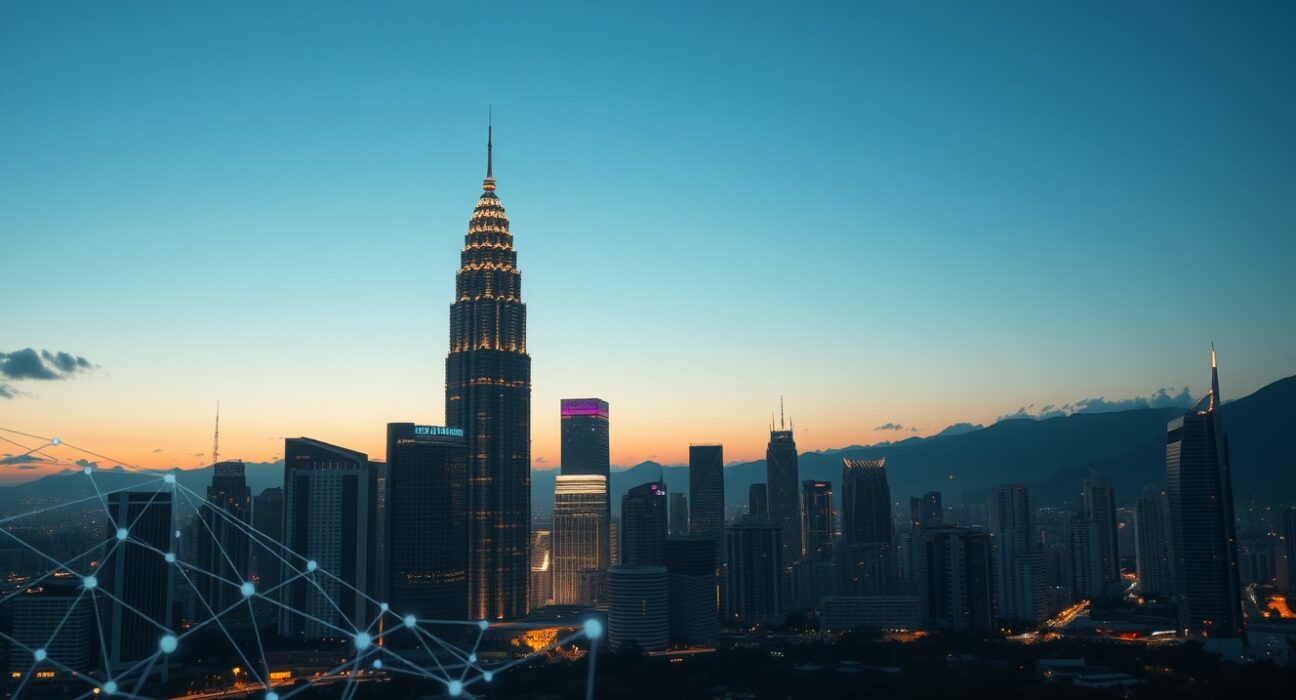
HSBC has released a report indicating that Malaysia’s burgeoning artificial intelligence sector is effectively buffering the nation’s economy against the persistent risks of global energy shocks. The analysis suggests that investments in AI infrastructure and related technologies are creating a new pillar of economic stability, reducing the country’s historical vulnerability to volatile energy markets.
AI as a New Economic Buffer
The HSBC report highlights that Malaysia’s strategic push into AI, including data center development and tech talent cultivation, is generating significant economic activity. This diversification is crucial as global energy prices remain unpredictable due to geopolitical tensions and supply chain disruptions. The bank’s analysts note that the AI boom is attracting foreign direct investment, creating high-value jobs, and stimulating growth in adjacent sectors like semiconductor manufacturing and cloud computing.
This shift is particularly important for Malaysia, which has traditionally been a net energy exporter and sensitive to oil and gas price fluctuations. By building a more resilient, knowledge-based economy, the country is better positioned to withstand external shocks that would have previously caused significant economic disruption.
Implications for Investors and Policymakers
For investors, the HSBC assessment provides a positive signal about Malaysia’s long-term growth trajectory. The AI sector is seen as a driver of productivity gains and innovation, potentially leading to higher corporate earnings and improved market performance. Policymakers are also likely to view this as validation of their efforts to attract tech investment and foster a digital economy.
Navigating Global Uncertainties
While the AI boom offers a significant buffer, HSBC’s report also cautions that Malaysia is not entirely immune to global headwinds. The energy sector remains an important part of the economy, and a severe, prolonged energy crisis could still have a negative impact. However, the growing AI sector provides a critical layer of resilience that was not present in previous decades.
The report underscores a broader trend across Southeast Asia, where countries are leveraging technology to build more robust and diversified economies. Malaysia’s proactive approach in positioning itself as a regional AI hub is now yielding tangible economic benefits, offering a model for other developing nations.
Conclusion
HSBC’s analysis presents a compelling case that Malaysia’s strategic investment in AI is paying dividends by providing a strong counterbalance to the risks posed by volatile global energy markets. This development marks a significant shift in the country’s economic structure, pointing towards a more stable and technologically-driven future. The report offers a nuanced but optimistic outlook for Malaysia’s ability to navigate global uncertainties.
FAQs
Q1: What did the HSBC report say about Malaysia’s economy?
The report stated that Malaysia’s artificial intelligence boom is helping to offset the risks associated with global energy shocks, providing a new source of economic stability and growth.
Q2: How is AI helping to protect Malaysia’s economy?
AI investments are diversifying the economy away from its traditional reliance on energy exports. This is attracting foreign investment, creating jobs, and stimulating growth in other high-tech sectors, making the overall economy more resilient.
Q3: Does this mean Malaysia is completely safe from energy shocks?
No. The report notes that while the AI sector provides a significant buffer, Malaysia is not entirely immune. A severe, prolonged energy crisis could still have a negative impact, but the country is now much better prepared to handle such events.
Disclaimer: The information provided is not trading advice, Bitcoinworld.co.in holds no liability for any investments made based on the information provided on this page. We strongly recommend independent research and/or consultation with a qualified professional before making any investment decisions.
