

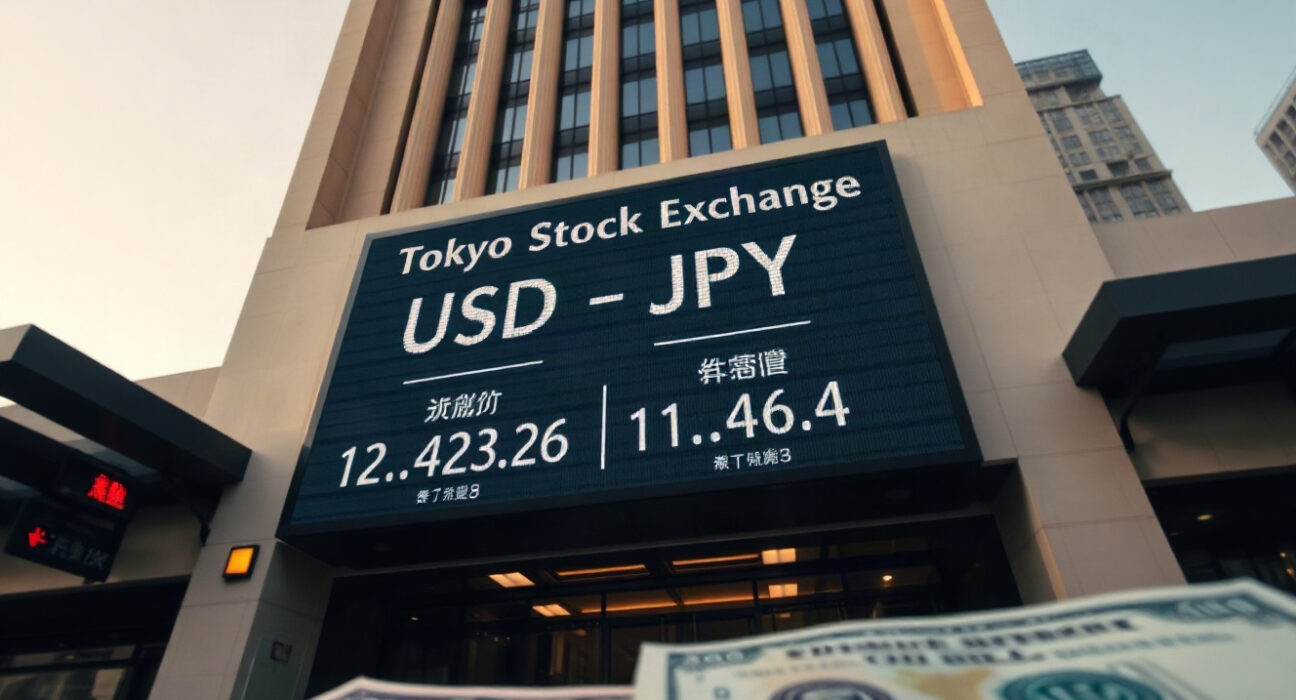
Tokyo’s latest intervention in the foreign exchange market has established a trading range for the Japanese yen rather than a new trend, according to market analysts and currency strategists as of late April 2025.
What Tokyo’s Intervention Did – and Didn’t Do
The Japanese Ministry of Finance confirmed on April 21, 2025, that it had conducted yen-buying intervention for the first time since October 2022, following the USD/JPY pair’s surge past the 160 level. The intervention, which occurred in two separate rounds, pushed the yen from around 160.20 to roughly 154.40 within hours.
However, within a week, the pair had settled back into a range between 154 and 157, suggesting that while the intervention provided a short-term floor for the yen, it did not fundamentally alter the underlying market dynamics that have been driving the currency lower.
Analysts point out that the intervention’s effect was largely psychological and technical. It forced a sharp correction, but the broader trend of yen weakness, driven by interest rate differentials between Japan and the United States, remains intact.
Why the Yen’s Weakness Persists
The fundamental driver of yen weakness is the persistent yield gap between US and Japanese government bonds. As of late April 2025, the 10-year US Treasury yield stood at around 4.5%, while Japan’s 10-year yield was only 0.9%, making the dollar more attractive to yield-seeking investors.
The Bank of Japan has maintained an ultra-loose monetary policy, despite recent adjustments to its yield curve control program. In contrast, the Federal Reserve has kept interest rates elevated to combat inflation. This divergence creates a strong incentive for investors to sell yen and buy dollars.
Additionally, Japan’s trade balance remains in deficit, as the country imports more energy and raw materials, which also weighs on the yen. These structural factors are not easily reversed by a one-off intervention.
Market Reaction and Investor Sentiment
Immediately following the intervention, the yen strengthened sharply, and speculative short positions were squeezed. According to the Commodity Futures Trading Commission, net short yen positions by leveraged funds had reached multi-year highs just before the intervention, making the market vulnerable to a sharp reversal.
However, the rebound was short-lived. By the end of the week, the yen had given back a significant portion of its gains, and traders were once again adding to short positions. This pattern is typical of intervention episodes: the effect is temporary unless accompanied by a shift in monetary policy or a change in global risk appetite.
What This Means for Traders and Businesses
For currency traders, the key takeaway is that Tokyo’s intervention has created a clear trading range, with support around 154 and resistance near 157. This range-bound trading offers opportunities for range-bound strategies, but it also carries the risk of sudden intervention-driven spikes.
For Japanese businesses, particularly exporters and importers, the intervention provides some relief from the yen’s rapid depreciation, but it does not eliminate the underlying uncertainty. Companies are likely to remain cautious in their currency hedging strategies, as the risk of further intervention remains high if the yen weakens beyond 160 again.
Japanese authorities have repeatedly warned that they are prepared to act against excessive volatility, but they have also signaled that they are not targeting a specific level. This ambiguity keeps the market on edge.
Conclusion
Tokyo’s intervention has succeeded in establishing a range for the yen, but it has not changed the fundamental trend of yen weakness. The interest rate differential and Japan’s trade deficit continue to exert downward pressure on the currency. While further intervention is possible, its effectiveness will remain limited unless accompanied by a shift in the Bank of Japan’s monetary policy stance. For now, the yen is likely to remain range-bound, with traders watching for the next catalyst.
FAQs
Q1: Why did Tokyo intervene in the currency market?
Tokyo intervened to curb what it called “excessive volatility” in the yen, which had weakened past 160 per dollar, hurting importers and consumers by raising the cost of imported goods and energy.
Q2: How long will the intervention’s effect last?
Historically, the effect of intervention is short-lived, often lasting from a few days to a few weeks. The underlying economic drivers, such as interest rate differentials, remain the dominant force.
Q3: Could Tokyo intervene again?
Yes, if the yen weakens significantly again, especially past the 160 level, Japanese authorities have signaled they are prepared to act. However, they are unlikely to intervene unless they see disorderly and speculative moves.
Disclaimer: The information provided is not trading advice, Bitcoinworld.co.in holds no liability for any investments made based on the information provided on this page. We strongly recommend independent research and/or consultation with a qualified professional before making any investment decisions.
