

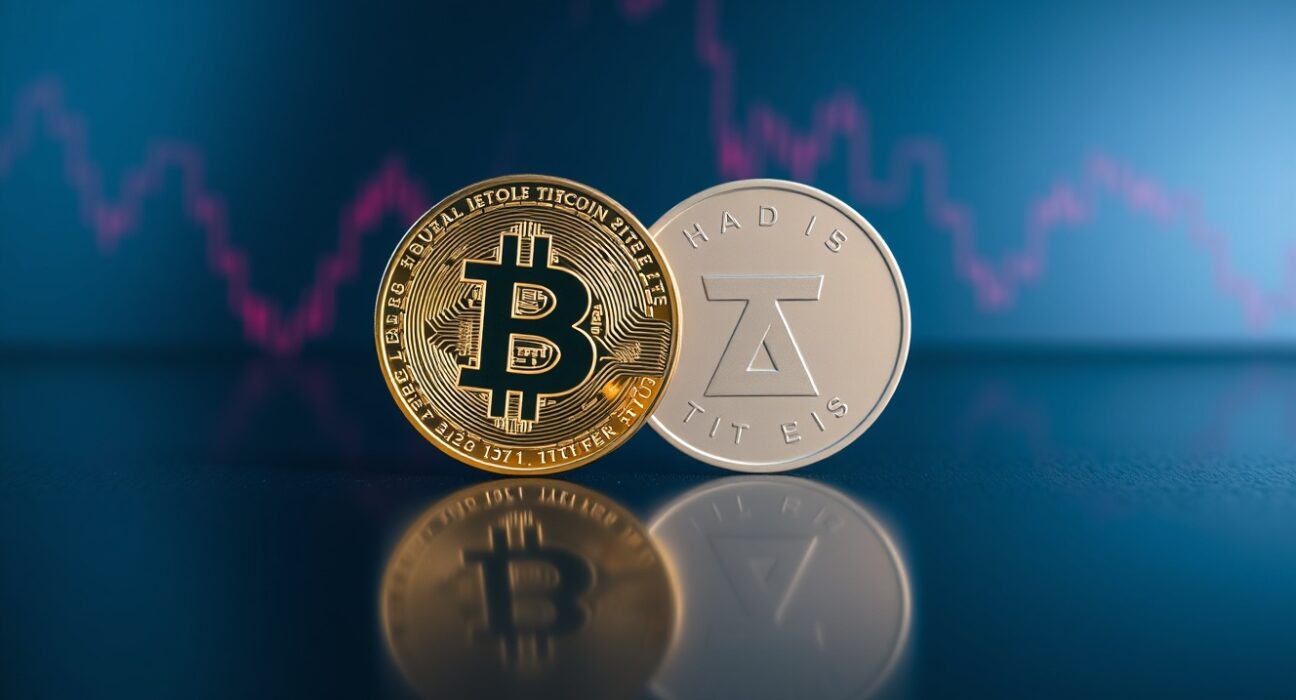
Mike McGlone, a senior commodity strategist at Bloomberg Intelligence, has issued a notable prediction regarding the future of the cryptocurrency market. In a recent post on X (formerly Twitter), McGlone stated that it may only be a matter of time before Tether (USDT) surpasses Bitcoin in market capitalization, becoming the world’s largest cryptocurrency. He added that the growing dominance of dollar-pegged stablecoins is fundamentally reshaping the entire crypto ecosystem.
McGlone’s Argument: The Rise of Tokenization
McGlone, known for his long-term macro perspectives, framed his argument around the concept of tokenization. He questioned what could stop the spread of tokenized assets in an environment where tokens tracking real-world, income-generating assets coexist with numerous cryptocurrencies that, in his view, track nothing yet hold billions in value. He emphasized that Tether, as a stablecoin pegged to the U.S. dollar, represents a practical, income-generating asset that is increasingly integral to global crypto trading and liquidity.
The strategist pointed to Tether’s previous overtaking of Ethereum’s market capitalization as a precedent for this trend. He suggested that this shift signals a broader market preference for utility and stability over speculative volatility.
A Warning for Bitcoin: Potential Drop to $10,000
In the same analysis, McGlone issued a stark warning for Bitcoin. He believes the market is currently in a ‘cleansing stage’ and that Bitcoin could crash to as low as $10,000 during this period. This represents a significant decline from current trading levels, though McGlone did not provide a specific timeline for the potential drop. His comments reflect a bearish outlook on Bitcoin’s near-term prospects, driven by macroeconomic pressures and the shifting landscape of digital assets.
Why This Matters to Investors
McGlone’s perspective carries weight due to his long-standing track record at Bloomberg Intelligence and his history of macro-level market calls. His comments highlight a growing narrative within the financial industry: that stablecoins like Tether are becoming the backbone of the crypto economy, potentially eclipsing the speculative appeal of assets like Bitcoin. For investors, this signals a potential shift in market dynamics, where utility and yield generation may become more valued than pure price appreciation.
The warning of a Bitcoin drop to $10,000 also underscores the ongoing volatility and risk in the crypto market, reminding readers that significant drawdowns remain a possibility even for the largest digital assets.
Conclusion
Mike McGlone’s analysis presents a dual narrative: the potential for Tether to become the dominant cryptocurrency by market cap, and the risk of a severe correction for Bitcoin. While these are forecasts, not certainties, they reflect a broader trend of market maturation and the increasing role of stablecoins in the global financial system. Investors should consider these perspectives as part of a comprehensive risk assessment.
FAQs
Q1: Why does Mike McGlone think Tether could overtake Bitcoin?
McGlone argues that Tether’s utility as a dollar-pegged stablecoin and its role in generating yield through real-world assets make it more practical than Bitcoin, which he views as a speculative asset with no underlying income stream.
Q2: What does ‘market cleansing’ mean in this context?
McGlone uses the term to describe a period where overvalued or speculative assets correct, while assets with genuine utility and stability gain prominence. He believes this process is currently underway in the crypto market.
Q3: Is a Bitcoin drop to $10,000 a guaranteed prediction?
No. This is a forecast from one analyst, not a guaranteed outcome. Market conditions, regulatory changes, and macroeconomic factors could alter Bitcoin’s trajectory. McGlone’s statement reflects a bearish scenario based on his current analysis.
Disclaimer: The information provided is not trading advice, Bitcoinworld.co.in holds no liability for any investments made based on the information provided on this page. We strongly recommend independent research and/or consultation with a qualified professional before making any investment decisions.
