

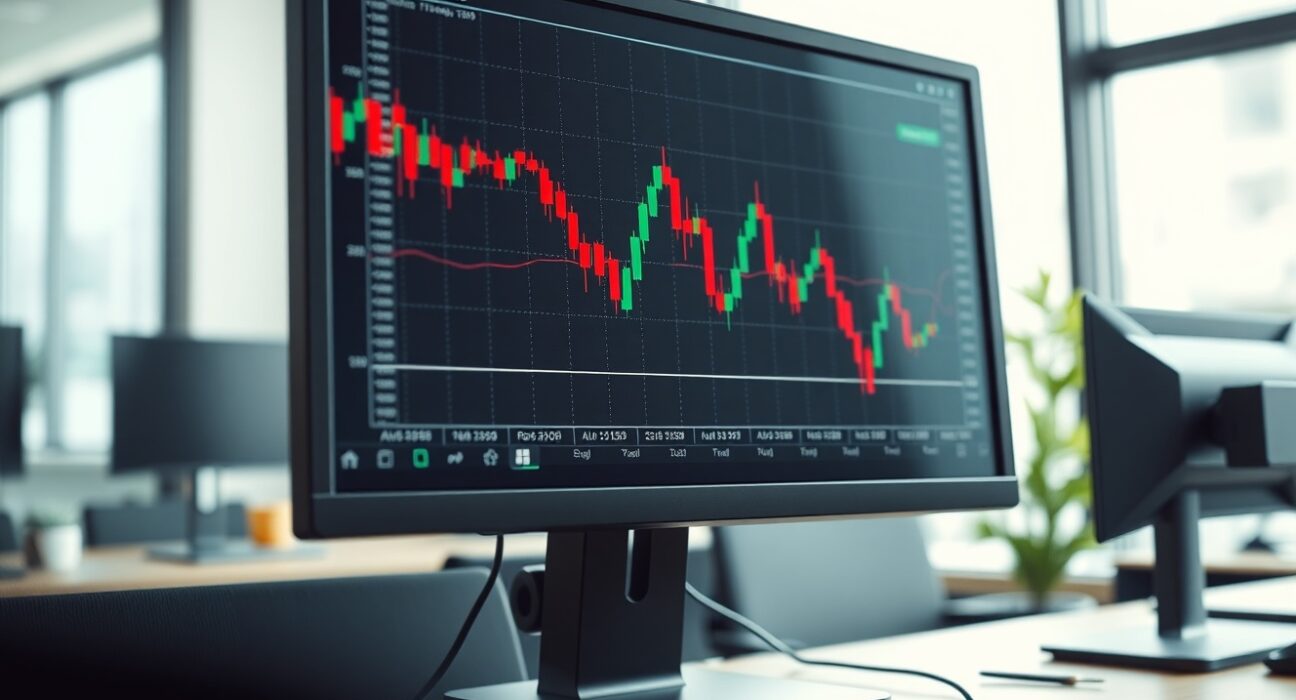
The Australian Dollar (AUD) is facing renewed headwinds against the US Dollar (USD) as escalating geopolitical tensions and a cautious market mood dampen demand for risk-sensitive currencies. While the US Dollar has softened slightly from recent highs, the AUD has been unable to capitalize, trading in a narrow range near session lows.
Geopolitical Factors Driving Currency Markets
The primary driver of current AUD/USD price action is the shifting global risk sentiment. Renewed uncertainty surrounding trade negotiations and geopolitical flashpoints in Eastern Europe and the Middle East have prompted investors to seek safe-haven assets, traditionally benefiting the US Dollar. This risk-off environment has overshadowed relatively stable commodity prices, which usually support the Australian economy and its currency.
Markets are also closely watching the trajectory of US monetary policy. While the Federal Reserve has signaled a potential pause in its tightening cycle, the timing of any rate cuts remains unclear. The resulting uncertainty keeps the US Dollar supported, even as it has pulled back from its strongest levels seen earlier in the year.
Australian Economic Outlook and RBA Policy
On the domestic front, the Reserve Bank of Australia (RBA) has maintained a cautious stance, balancing persistent inflation concerns with a softening labor market. Recent data showed a slight uptick in unemployment, which has reduced expectations for further rate hikes. This divergence in policy outlook between the RBA and the Fed continues to weigh on the Australian Dollar.
Additionally, Australia’s heavy reliance on trade with China adds another layer of vulnerability. Any negative developments in China’s economic recovery or trade policy directly impact Australian export demand and, by extension, the AUD. The current geopolitical climate has amplified these risks, making traders hesitant to take long positions on the Australian currency.
What This Means for Traders and Businesses
For forex traders, the current environment suggests continued volatility in the AUD/USD pair. The lack of a clear directional catalyst means that price action may remain range-bound, with the potential for sharp moves on unexpected geopolitical headlines. Businesses with exposure to Australian dollar-denominated transactions should consider hedging strategies to mitigate short-term fluctuations.
The key levels to watch are the support around 0.6500 and resistance near 0.6650. A break below support could signal further weakness, while a move above resistance would require a significant improvement in global risk appetite or a shift in Fed policy expectations.
Conclusion
The Australian Dollar remains under pressure as geopolitical uncertainty and cautious monetary policy expectations limit its upside against the US Dollar. While the USD has softened, the AUD has failed to gain traction, highlighting the market’s preference for safe-haven assets. Traders should monitor geopolitical developments and central bank commentary for clearer direction in the coming sessions.
FAQs
Q1: Why is the Australian Dollar falling against the US Dollar?
The Australian Dollar is falling primarily due to heightened geopolitical uncertainty, which drives investors toward safe-haven assets like the US Dollar. Additionally, a cautious stance from the Reserve Bank of Australia and concerns about China’s economic outlook are weighing on the AUD.
Q2: What are the key levels to watch in AUD/USD?
Key support is around 0.6500, while resistance is near 0.6650. A break below support could lead to further losses, while a move above resistance would require a significant shift in risk sentiment or monetary policy expectations.
Q3: How does the Federal Reserve’s policy affect the AUD/USD pair?
The Federal Reserve’s interest rate decisions and forward guidance directly impact the US Dollar’s strength. If the Fed maintains a hawkish stance or delays rate cuts, the USD tends to strengthen, putting downward pressure on the AUD/USD pair.
Disclaimer: The information provided is not trading advice, Bitcoinworld.co.in holds no liability for any investments made based on the information provided on this page. We strongly recommend independent research and/or consultation with a qualified professional before making any investment decisions.
