

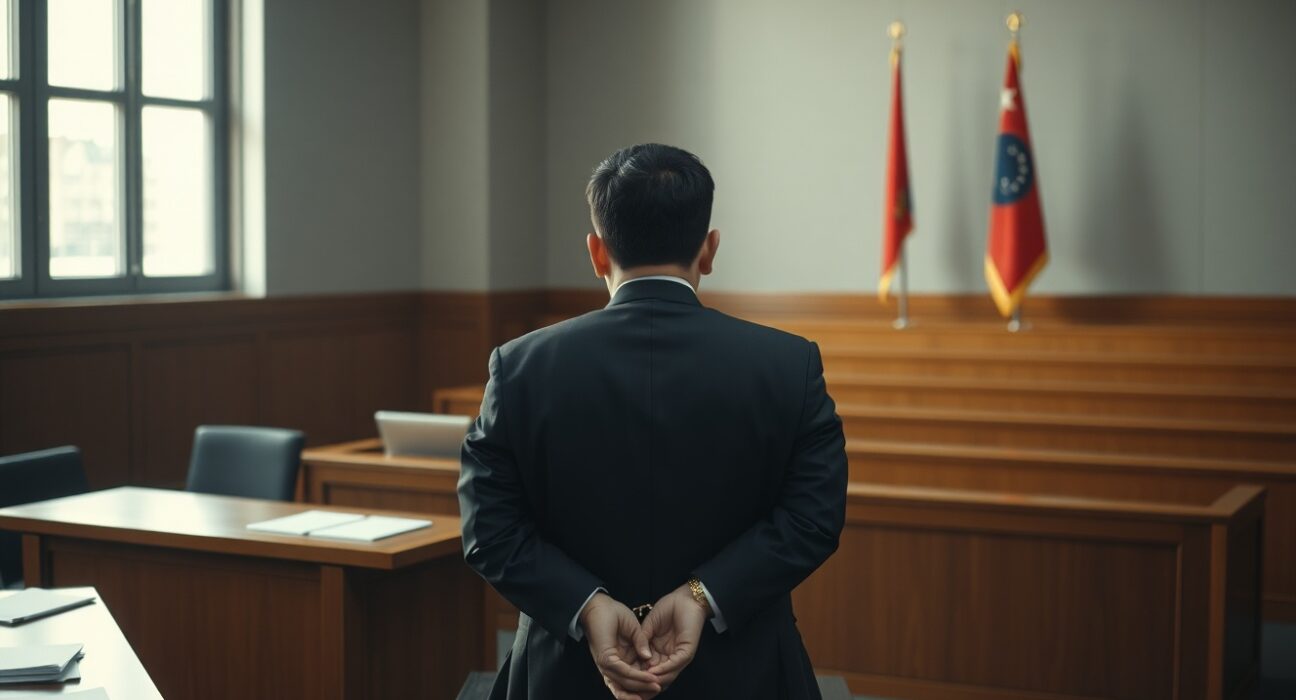
South Korean prosecutors are seeking a 4.5-year prison sentence for the individual accused of orchestrating a rug pull involving the Solana-based memecoin CATFI. The case, reported by Digital Asset, highlights the growing legal scrutiny of fraudulent token schemes in the country’s cryptocurrency market.
Details of the CATFI Rug Pull Scheme
According to the investigation, the perpetrators spent a few million won to issue the CATFI token on Pump.fun in early 2025. They then listed it on a decentralized exchange (DEX) and executed the rug pull after artificially inflating the token’s price. The token’s value surged 1,001-fold within 26 hours of its launch, attracting approximately 6,000 investors. The scheme ultimately resulted in 256 investors losing a total of 900 million won (around $652,000). The group is accused of securing 400 million won (around $290,000) in illicit profits through fraudulent trading on social media platforms.
Legal Implications and Market Context
This case marks one of the more significant legal actions against memecoin fraud in South Korea, where regulators have been increasingly active in policing digital asset scams. The prosecution’s request for a 4.5-year sentence reflects the seriousness with which authorities view such schemes, particularly those that exploit retail investors through social media manipulation and fake price action. The use of Pump.fun, a platform known for facilitating easy token creation, has come under scrutiny as a vector for such frauds.
Why This Matters for Crypto Investors
The CATFI case serves as a stark reminder of the risks associated with memecoins and newly launched tokens on decentralized exchanges. The rapid price surge and subsequent collapse are hallmarks of rug pull schemes, where developers abandon a project after cashing out. For investors, this highlights the importance of due diligence, including verifying team identities, tokenomics, and liquidity locks. The legal action in South Korea may also set a precedent for how other jurisdictions handle similar cases, potentially deterring future fraudsters.
Conclusion
As the South Korean court prepares to rule on the sentencing, the crypto community watches closely. The outcome could influence both regulatory approaches and investor behavior in the memecoin space. While the financial losses are significant, the legal pursuit of the perpetrators signals a growing willingness to hold bad actors accountable, even in the decentralized and often opaque world of crypto.
FAQs
Q1: What is a rug pull in cryptocurrency?
A rug pull is a type of scam where developers create a token, promote it to attract investors, and then suddenly withdraw all liquidity or abandon the project, causing the token’s value to crash and leaving investors with worthless assets.
Q2: How did the CATFI rug pull work?
The perpetrators issued the CATFI token on Pump.fun, listed it on a DEX, and used social media to artificially inflate its price. After the token surged 1,001-fold, they executed the rug pull, securing illicit profits and causing significant investor losses.
Q3: What legal consequences do the perpetrators face?
South Korean prosecutors are seeking a 4.5-year prison sentence for the mastermind. The group is also accused of illegally obtaining 400 million won through fraudulent trading, which could lead to additional financial penalties or restitution orders.
Disclaimer: The information provided is not trading advice, Bitcoinworld.co.in holds no liability for any investments made based on the information provided on this page. We strongly recommend independent research and/or consultation with a qualified professional before making any investment decisions.
