

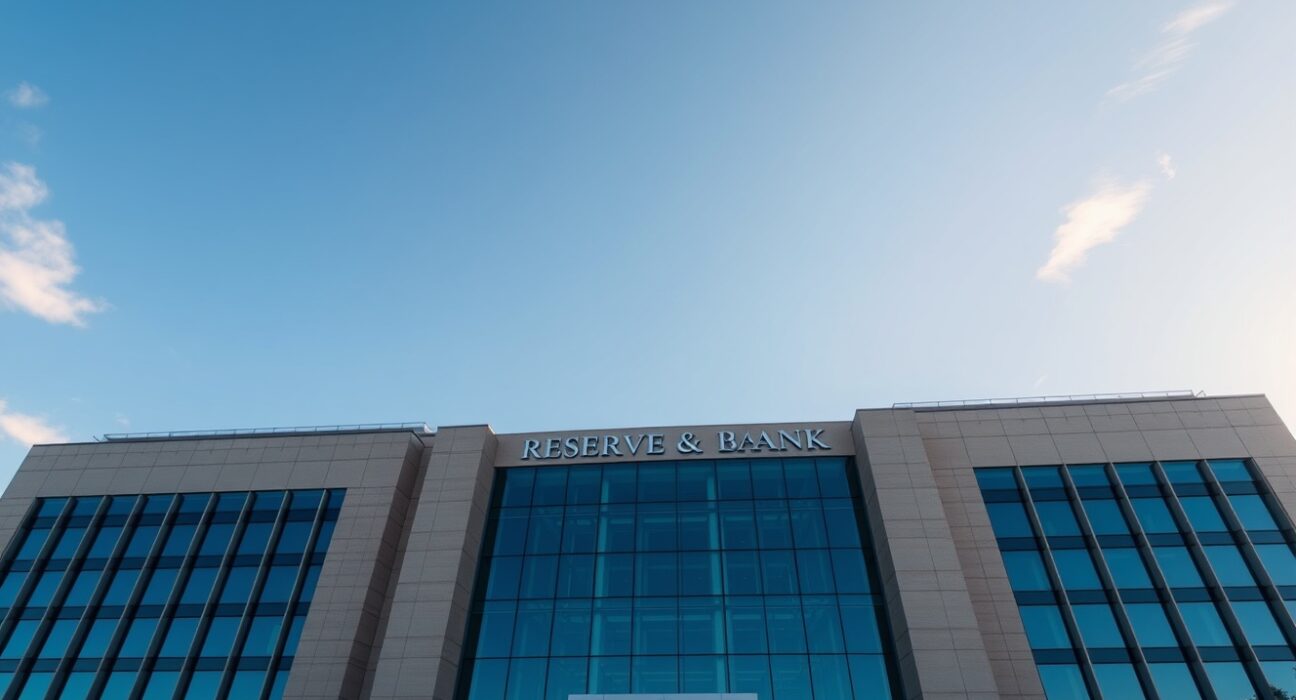
South Africa’s private sector credit growth decelerated to 8.57% year-on-year in May 2025, down from a revised 9.2% in April, according to data released by the South African Reserve Bank (SARB). The moderation signals a cooling in borrowing activity across businesses and households, reflecting cautious sentiment amid persistent economic headwinds.
Credit Growth Trends and Underlying Factors
The decline in private sector credit extension marks the first notable slowdown after several months of steady expansion. Analysts attribute the pullback to a combination of factors including elevated interest rates, subdued consumer confidence, and tighter lending standards by commercial banks. The SARB has maintained a restrictive monetary policy stance to combat inflation, which has kept borrowing costs high and discouraged new credit uptake.
Household credit growth, which includes mortgages, vehicle finance, and personal loans, showed particular softness. Mortgage lending, a key driver of overall credit, eased as the property market continues to face affordability pressures. Business credit also moderated, with firms delaying capital expenditure plans amid uncertain economic conditions and load-shedding disruptions.
Implications for the Broader Economy
The slowdown in credit growth is a double-edged sword for the South African economy. On one hand, it suggests that the SARB’s tightening cycle is working to cool demand and contain inflationary pressures. On the other hand, weaker credit extension can constrain consumption and investment, both of which are critical for economic growth. The GDP growth outlook for 2025 remains modest, with the IMF forecasting around 1.1% expansion.
Private sector credit is a closely watched leading indicator of economic activity. A sustained deceleration could point to further weakness in domestic demand, particularly if unemployment remains elevated and real household incomes continue to be squeezed by high living costs.
What This Means for Borrowers and Lenders
For consumers, the tightening credit environment means higher hurdles for obtaining loans and potentially steeper repayment terms. Banks are becoming more selective, prioritizing lower-risk borrowers. For businesses, access to working capital and expansion financing may become more constrained, especially for small and medium-sized enterprises that rely heavily on bank lending.
From a policy perspective, the SARB may face growing pressure to begin easing rates later in the year if inflation trends continue to moderate. However, any pivot will depend on sustained evidence that price pressures are under control and that the economy can absorb lower rates without reigniting demand-driven inflation.
Conclusion
The dip in South Africa’s private sector credit growth to 8.57% in May underscores a cautious economic landscape where both lenders and borrowers are treading carefully. While the moderation supports the central bank’s inflation fight, it also highlights the fragility of domestic demand. The coming months will be critical in determining whether this slowdown is a temporary adjustment or the start of a more prolonged credit contraction.
FAQs
Q1: What is private sector credit growth?
Private sector credit growth measures the year-on-year change in the total amount of credit extended by banks and other financial institutions to businesses and households. It is a key indicator of economic activity and financial health.
Q2: Why did private sector credit growth slow in May 2025?
The slowdown is largely attributed to high interest rates, cautious consumer and business sentiment, and stricter lending criteria by banks. These factors have reduced demand for new credit and slowed overall borrowing.
Q3: How does this affect the average South African consumer?
Consumers may find it harder to obtain loans, face higher interest rates on new credit, and experience tighter lending conditions. This can limit spending power and reduce access to financing for major purchases like homes or vehicles.
Disclaimer: The information provided is not trading advice, Bitcoinworld.co.in holds no liability for any investments made based on the information provided on this page. We strongly recommend independent research and/or consultation with a qualified professional before making any investment decisions.
