

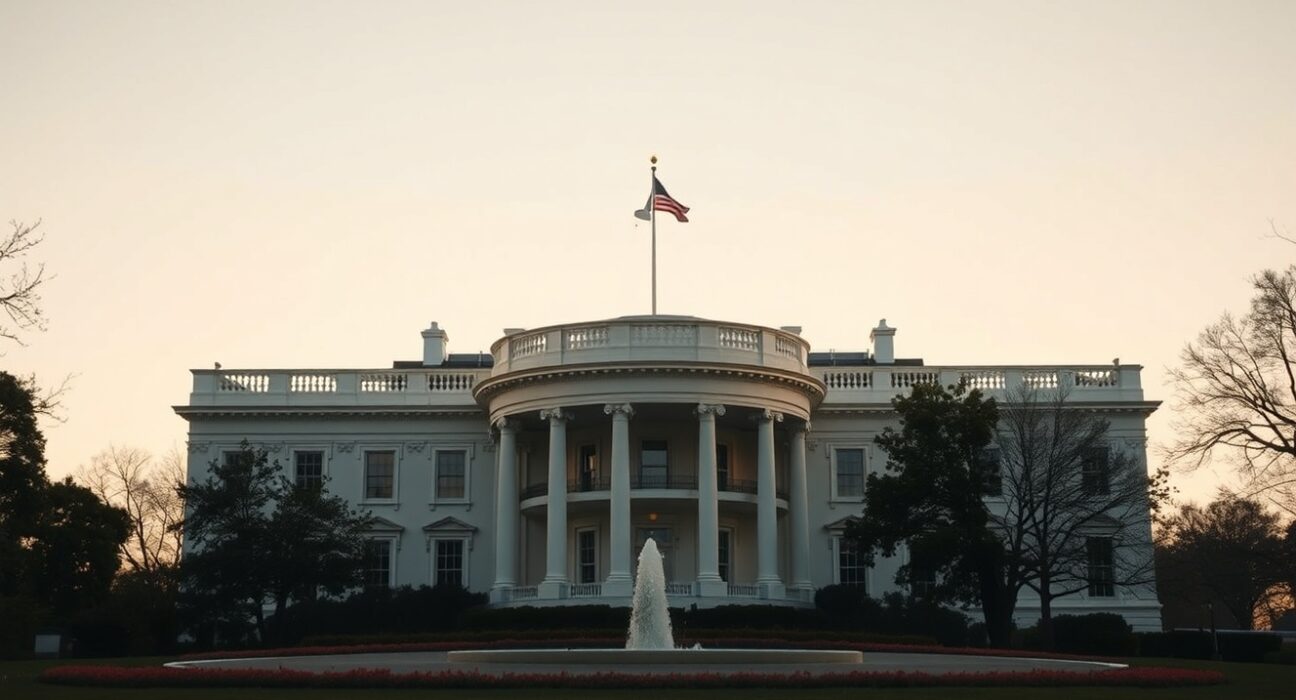
According to a recent report by The Wall Street Journal, President Donald Trump considered a full-scale military conflict with Iran but ultimately decided to continue pursuing diplomatic negotiations. The report, citing unnamed administration officials, sheds light on the high-level debates within the White House over how to respond to ongoing provocations from Tehran.
Internal Deliberations and Strategic Crossroads
The WSJ report indicates that the option of an all-out war was presented to the President as a potential response to a series of escalations, including attacks on commercial shipping in the Persian Gulf and the downing of a US drone. Senior military and intelligence officials reportedly outlined the potential costs and risks of a large-scale conflict, including a protracted ground war and significant casualties. The President, weighing these factors against the potential benefits of a decisive military victory, ultimately chose to de-escalate and maintain the current diplomatic channel.
Implications for US-Iran Relations and Regional Stability
The decision to stick with talks, rather than escalate to war, has significant implications for the Middle East and global oil markets. A military conflict would have almost certainly disrupted oil shipments through the Strait of Hormuz, sending energy prices soaring. It could have also drawn in regional proxies and allies, escalating into a wider war. The choice to continue negotiations signals a preference for a non-military solution, but the underlying tensions remain high. The administration’s stated goal is to prevent Iran from acquiring a nuclear weapon, and the diplomatic track is seen as a way to achieve this without the devastating consequences of war.
Market and Economic Repercussions
Financial markets reacted cautiously to the news, with oil prices initially spiking on the report of potential war but then stabilizing after the decision to pursue talks became clear. Analysts suggest that the threat of conflict remains a key variable for energy markets, and any further escalation in rhetoric or incidents could trigger renewed volatility. The decision to avoid war has been seen as a positive signal by global investors, who generally prefer geopolitical stability.
Conclusion
The WSJ report reveals a pivotal moment in the Trump administration’s Iran policy, where the President stood at the brink of a major military escalation but ultimately chose a diplomatic path. While the immediate threat of war has receded, the underlying issues remain unresolved. The situation underscores the delicate balance between deterrence and diplomacy in one of the world’s most volatile regions. The decision to continue talks keeps the door open for a negotiated settlement, but the potential for conflict remains a critical factor for the region and the global economy.
FAQs
Q1: What did The Wall Street Journal report about President Trump and Iran?
The WSJ reported that President Trump considered launching an all-out war against Iran but ultimately decided to continue with diplomatic talks instead.
Q2: Why did President Trump choose talks over war?
According to the report, the President weighed the potential costs of a large-scale conflict, including high casualties and regional instability, against the benefits of a diplomatic solution and chose the latter.
Q3: What are the implications of this decision for the Middle East?
The decision to avoid war reduces the immediate risk of a regional conflict and oil supply disruptions, but it does not resolve the underlying tensions between the US and Iran, meaning the situation remains fragile.
Disclaimer: The information provided is not trading advice, Bitcoinworld.co.in holds no liability for any investments made based on the information provided on this page. We strongly recommend independent research and/or consultation with a qualified professional before making any investment decisions.
