

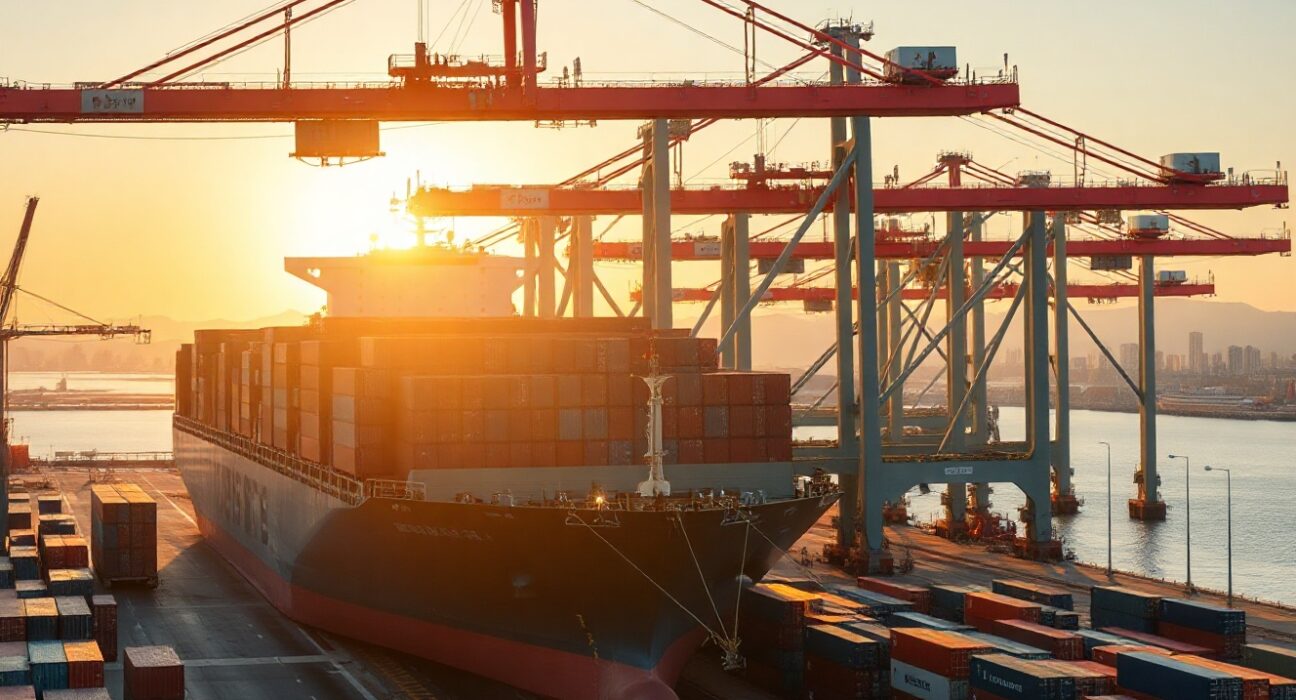
South Korea’s trade balance expanded significantly in June, reaching a surplus of $36.14 billion, up from $27.04 billion recorded in the previous month. The data, released by the Korea Customs Service, underscores the country’s continued export strength amid global economic uncertainties.
Drivers Behind the Widening Surplus
The sharp increase in the trade surplus was primarily fueled by strong overseas demand for South Korean semiconductors, automobiles, and petrochemical products. Semiconductor exports, in particular, have remained a key growth engine, driven by the global AI boom and data center expansion. Shipments of memory chips and system semiconductors rose substantially compared to the same period last year.
Automobile exports also contributed significantly, supported by steady demand from North America and Europe, despite ongoing supply chain adjustments. Petrochemical exports benefited from higher global oil prices and increased demand from China and Southeast Asia.
Import Trends and Energy Costs
On the import side, total inbound shipments grew at a slower pace than exports, helping to widen the surplus. Energy imports, including crude oil, natural gas, and coal, remained elevated due to global price pressures, but the rate of increase moderated compared to earlier months. Imports of capital goods, such as machinery and equipment, also rose, reflecting domestic investment activity.
The slower growth in imports relative to exports is a positive signal for the trade balance, although analysts caution that global energy price volatility remains a risk factor.
Implications for the South Korean Economy
The widening trade surplus is a favorable indicator for South Korea’s current account balance and overall economic stability. A larger surplus typically supports the value of the Korean won and provides the central bank with more flexibility in managing monetary policy. However, the country’s heavy reliance on semiconductor exports also makes it vulnerable to shifts in global tech demand.
Economists note that while the June data is encouraging, sustaining this momentum will depend on global economic conditions, trade policies, and the trajectory of key export markets such as China, the United States, and the European Union.
Conclusion
South Korea’s trade surplus of $36.14 billion in June marks a significant improvement from the previous month, driven by robust semiconductor and automobile exports. The data reinforces the country’s position as a major export-driven economy, though external risks remain. Continued monitoring of global demand and energy costs will be essential for assessing the durability of this positive trend.
FAQs
Q1: What is South Korea’s trade balance?
South Korea’s trade balance is the difference between the value of its exports and imports. A positive balance (surplus) means exports exceed imports.
Q2: Why did the trade surplus increase in June?
The surplus widened due to strong export growth in semiconductors, automobiles, and petrochemicals, while import growth slowed.
Q3: How does a trade surplus affect the economy?
A trade surplus can strengthen the national currency, improve the current account, and provide economic stability, but it may also make the economy more dependent on export demand.
Disclaimer: The information provided is not trading advice, Bitcoinworld.co.in holds no liability for any investments made based on the information provided on this page. We strongly recommend independent research and/or consultation with a qualified professional before making any investment decisions.
