

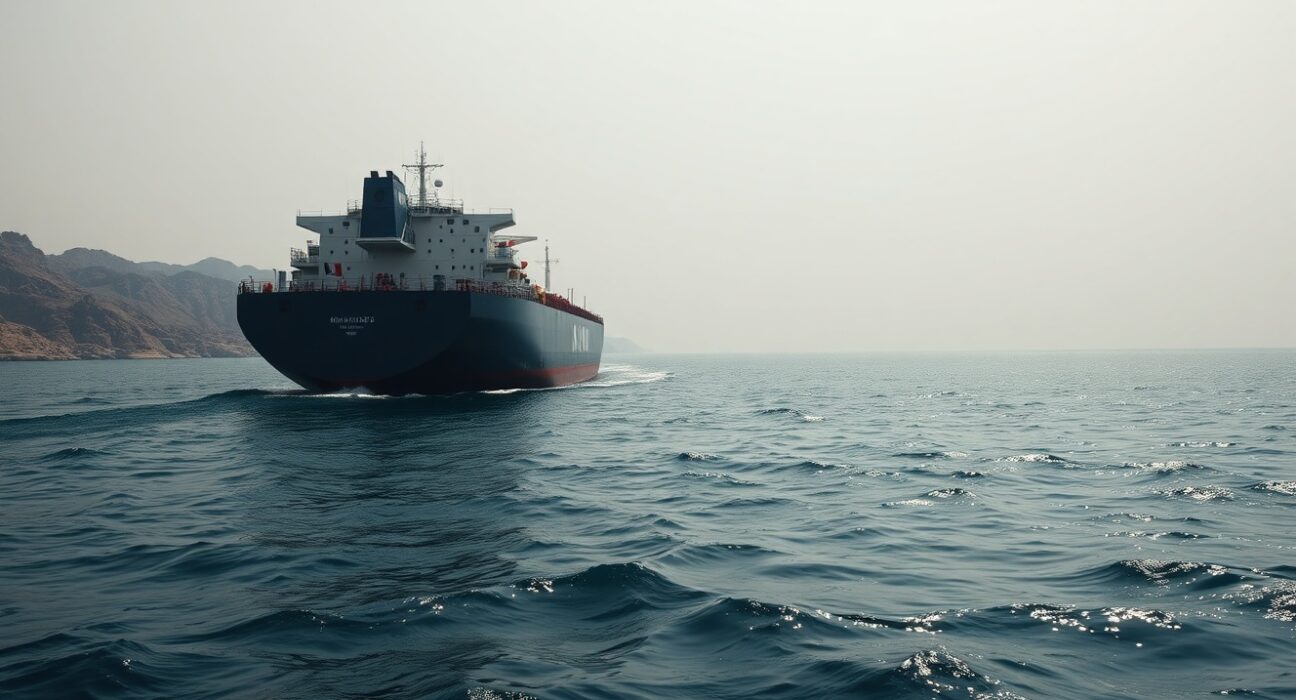
Analysts at Rabobank have issued a new assessment highlighting growing risks to global oil markets stemming from heightened tensions around the Strait of Hormuz and unresolved ambiguities in the US-Iran Memorandum of Understanding (MoU). The analysis points to a fragile equilibrium where any escalation could disrupt crude flows through the world’s most critical energy chokepoint.
Hormuz: The Narrow Passage Under Pressure
The Strait of Hormuz, a narrow waterway connecting the Persian Gulf to the Arabian Sea, handles approximately 20% of the world’s oil consumption. Rabobank’s analysts note that recent incidents involving commercial vessels and increased naval patrols have raised the risk premium embedded in crude futures. The assessment emphasizes that even a temporary disruption—whether from military confrontation, sabotage, or regulatory actions—could spike prices sharply, given the limited spare capacity in the global supply chain.
Historical precedent underscores the vulnerability. In 2019, attacks on tankers near the strait briefly sent Brent crude above $75 per barrel. Today’s context includes a tighter supply-demand balance and lower strategic reserves in major consuming nations, amplifying the potential impact of any closure.
US-Iran MoU: Unclear Terms, Rising Stakes
Rabobank’s report also scrutinizes the ongoing diplomatic framework between Washington and Tehran. The MoU, which has been discussed in various forms over recent months, remains opaque in its specifics. The analysts argue that the lack of transparency regarding its provisions—particularly on nuclear enrichment, sanctions relief, and oil export limits—creates a volatile backdrop for energy markets.
Market participants are left to interpret ambiguous signals. Any perceived breakdown in talks or new punitive measures from either side could be read as a green light for further disruption. Rabobank suggests that until a clear, verifiable agreement is reached, the risk of a sudden supply shock will persist, keeping a floor under oil prices.
Implications for Traders and Policymakers
For commodity traders, the key takeaway is the need to price in a higher geopolitical risk premium. Rabobank’s analysis implies that current market valuations may not fully account for the probability of a supply interruption. For policymakers in importing nations, the report reinforces the urgency of diversifying supply routes and maintaining strategic petroleum reserves.
The broader macroeconomic context also matters. Elevated oil prices can feed into inflation, complicating central bank policy decisions. Rabobank’s note serves as a reminder that geopolitical stability in the Middle East remains a critical variable for the global economic outlook.
Conclusion
Rabobank’s assessment provides a timely and grounded perspective on the converging risks in the Persian Gulf. While no immediate crisis is predicted, the combination of a vulnerable chokepoint and diplomatic uncertainty creates a fragile environment. For investors and analysts alike, the message is clear: the oil market’s risk profile is shifting, and complacency could be costly.
FAQs
Q1: Why is the Strait of Hormuz important for oil markets?
About 20% of global oil consumption passes through the strait daily, making it the world’s most critical energy chokepoint. Any disruption there directly impacts supply and prices.
Q2: What is the US-Iran MoU mentioned by Rabobank?
The MoU refers to a proposed memorandum of understanding between the United States and Iran aimed at setting terms on nuclear activities and sanctions. Its lack of clarity is a source of market uncertainty.
Q3: How might these tensions affect oil prices in the near term?
Rabobank suggests that current prices may not fully reflect the geopolitical risk. Any escalation or breakdown in talks could lead to a sharp price spike, while a clear agreement could ease premiums.
Disclaimer: The information provided is not trading advice, Bitcoinworld.co.in holds no liability for any investments made based on the information provided on this page. We strongly recommend independent research and/or consultation with a qualified professional before making any investment decisions.
