

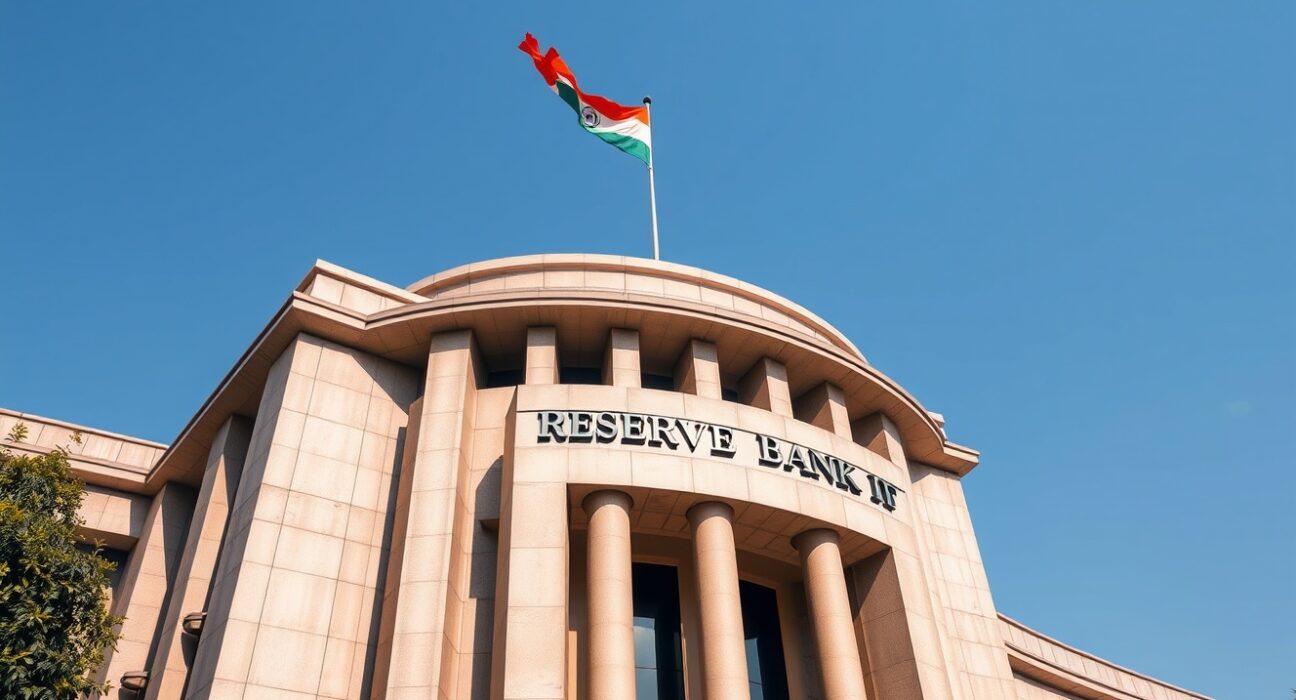
India’s foreign exchange reserves fell to $666.93 billion as of June 22, 2024, marking a decline of $5.66 billion from the previous week’s level of $672.59 billion, according to data released by the Reserve Bank of India (RBI). The dip, while modest in percentage terms, reflects ongoing adjustments in the central bank’s management of the country’s external buffers.
What Drove the Decline?
The decrease in forex reserves is primarily attributed to valuation changes and the RBI’s routine market operations. A significant portion of India’s reserves is held in foreign currencies, gold, and Special Drawing Rights (SDRs). Fluctuations in the value of major currencies, particularly the US dollar, against which the rupee is managed, directly impact the overall reserve figure.
Analysts also point to the RBI’s intervention in the foreign exchange market to manage volatility in the Indian rupee. The central bank periodically sells dollars from its reserves to prevent sharp depreciation of the rupee, especially during periods of global uncertainty or capital outflows.
Context and Broader Implications
Despite the weekly decline, India’s total forex reserves remain robust and comfortably cover over 10 months of projected imports. The current level is still significantly higher than the lows seen in late 2022, when reserves dipped below $530 billion due to aggressive monetary tightening by the US Federal Reserve and global risk-off sentiment.
The composition of the reserves is also noteworthy. As of the latest data, foreign currency assets (FCAs), the largest component of the reserves, stood at approximately $585 billion. Gold reserves, another key component, were valued at around $55 billion. The RBI’s diversified reserve management strategy, which includes gold purchases in recent years, provides a buffer against currency volatility and external shocks.
Why This Matters for Readers
For the average Indian, the level of forex reserves is a key indicator of the country’s economic resilience. A healthy reserve cushion helps protect the rupee from sharp fluctuations, which in turn affects the cost of imported goods, from crude oil to electronics. It also provides confidence to foreign investors, signaling that India has the firepower to meet its external obligations.
The weekly decline is not a cause for alarm, but it is a data point that market participants watch closely. Sustained declines over several weeks could signal underlying pressure on the balance of payments, but the current trend remains within normal fluctuation ranges.
Conclusion
The $5.66 billion weekly drop in India’s foreign exchange reserves to $666.93 billion is a routine adjustment driven by valuation changes and central bank market operations. India’s reserve position remains strong by historical and comparative standards, providing a solid buffer against external economic shocks. The RBI continues to manage the reserves actively to maintain orderly market conditions.
FAQs
Q1: What are foreign exchange reserves?
Foreign exchange reserves are assets held by a central bank in foreign currencies, gold, and other reserve assets. They are used to back liabilities and influence monetary policy, particularly to stabilize the domestic currency.
Q2: Why did India’s forex reserves decline this week?
The decline is mainly due to valuation changes in the RBI’s foreign currency assets and potential dollar sales by the central bank to manage rupee volatility. It is a routine fluctuation.
Q3: Is a decline in forex reserves a bad sign for the Indian economy?
A single weekly decline is not a negative sign. The overall level of reserves remains high. However, a sustained downward trend over several months could indicate external sector stress, which is not the case currently.
Disclaimer: The information provided is not trading advice, Bitcoinworld.co.in holds no liability for any investments made based on the information provided on this page. We strongly recommend independent research and/or consultation with a qualified professional before making any investment decisions.
