

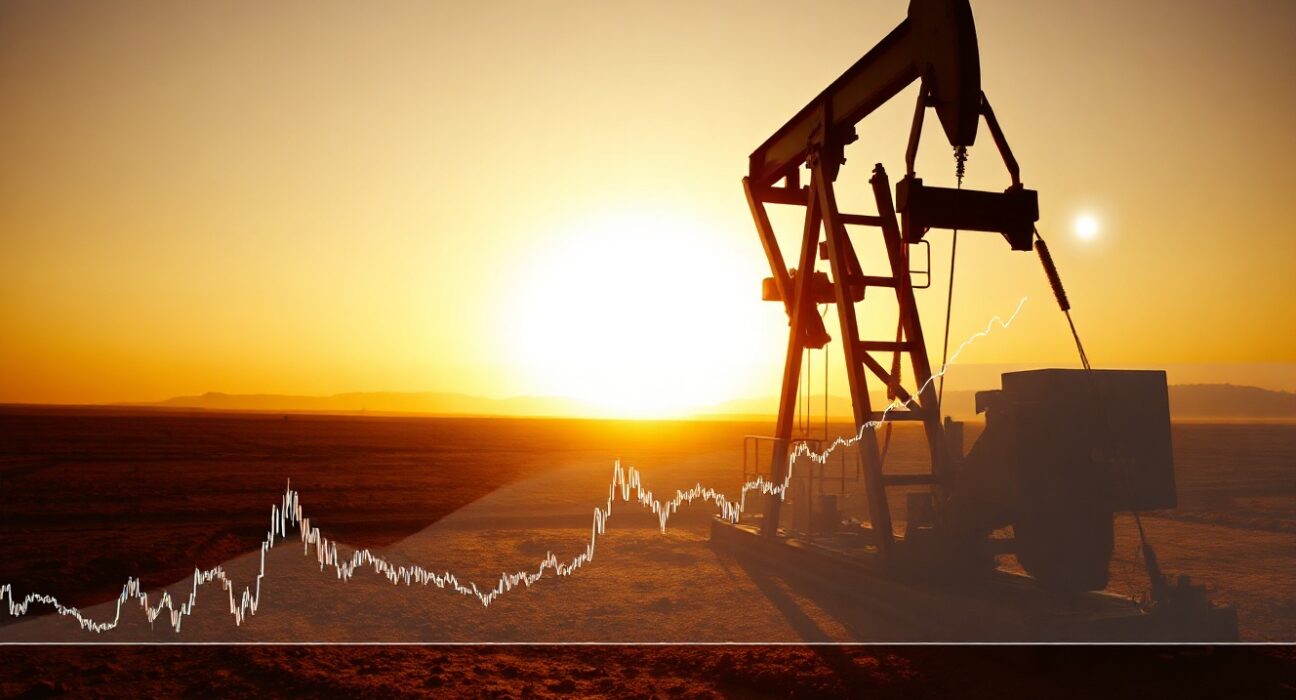
West Texas Intermediate (WTI) crude oil futures edged higher on Tuesday, trading near the $69.00 per barrel mark, as the market weighed the implications of OPEC+ production increases against the continued safe passage of tankers through the Strait of Hormuz. The modest price uptick suggests a cautious optimism among traders, who are balancing supply-side pressures with geopolitical risk premiums.
OPEC+ Production Hike Puts Downward Pressure on Prices
The Organization of the Petroleum Exporting Countries and its allies, collectively known as OPEC+, have signaled a gradual unwinding of voluntary production cuts. This planned increase in output, aimed at reclaiming market share, has historically acted as a ceiling on crude prices. The group’s next meeting is scheduled for early June, where members will review compliance and adjust quotas. The prospect of additional barrels entering the market has been a primary factor capping WTI’s upside, even as demand forecasts remain relatively stable.
Strait of Hormuz Remains Open, Easing Supply Disruption Fears
Despite heightened geopolitical tensions in the Middle East, the Strait of Hormuz—a critical chokepoint for approximately 20% of the world’s oil—has remained open for commercial shipping. Recent naval patrols and diplomatic backchannels have so far prevented any disruption to tanker traffic. This stability has eroded the risk premium that had briefly pushed prices higher earlier in the month. Analysts note that any escalation in the region, however, could quickly reverse this trend, injecting significant volatility back into the market.
Market Implications and What Traders Are Watching
The current price action reflects a market in a state of equilibrium, but one that is fragile. On one hand, OPEC+’s commitment to increasing supply provides a clear bearish signal. On the other, the possibility of a sudden geopolitical flashpoint or an unexpected drop in U.S. inventories could trigger a sharp rally. The U.S. Energy Information Administration (EIA) is scheduled to release its weekly crude stockpile report later today, which will provide the next major catalyst. A larger-than-expected drawdown could push WTI decisively above the $70 resistance level, while a build would reinforce the bearish narrative.
Conclusion
WTI crude’s climb to near $69.00 represents a delicate balance between OPEC+’s supply ambitions and the current stability of key shipping routes. The market remains highly sensitive to headlines from both Vienna and the Persian Gulf. For now, traders are adopting a wait-and-see approach, with the EIA inventory data and the next OPEC+ meeting serving as the primary near-term guideposts. The broader trend will likely be determined by whether supply growth outpaces global demand, a dynamic that remains uncertain amid mixed economic signals from major consumers.
FAQs
Q1: Why is WTI crude oil price rising despite OPEC+ production hikes?
The modest rise is primarily due to the market pricing in a lower risk premium following the continued safe passage of oil tankers through the Strait of Hormuz. Traders are also waiting for clearer data on demand and inventory levels, leading to a temporary equilibrium around the $69 level.
Q2: What is the significance of the Strait of Hormuz for oil prices?
The Strait of Hormuz is a vital maritime chokepoint through which a significant portion of the world’s crude oil passes. Any disruption to shipping there can cause a sharp spike in global oil prices due to supply fears. Its current stability is a key factor keeping prices from rising further.
Q3: How does OPEC+ production policy affect WTI prices?
OPEC+ decisions directly influence global oil supply. When the group announces production cuts, it typically pushes prices higher. Conversely, signals of production increases, as seen recently, tend to cap price gains or push them lower by increasing the available supply on the market.
Disclaimer: The information provided is not trading advice, Bitcoinworld.co.in holds no liability for any investments made based on the information provided on this page. We strongly recommend independent research and/or consultation with a qualified professional before making any investment decisions.
