

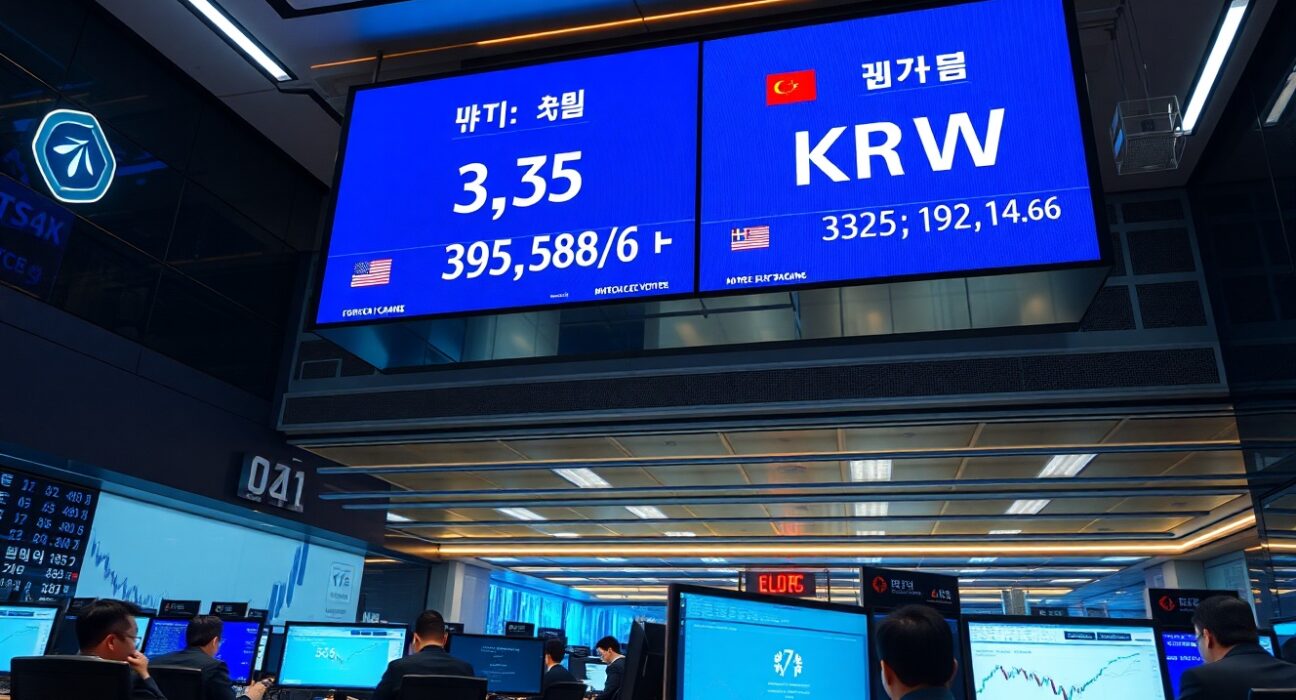
South Korea has taken a significant step toward its long-standing goal of joining the ranks of developed financial markets. Starting this week, the Korean won is now available for trading 24 hours a day, a landmark shift from the previous system that limited onshore trading to a six-and-a-half-hour window during local business hours.
Breaking the Time Barrier
Historically, the won market was constrained by a daily session from 9:00 AM to 3:30 PM KST. This limited window often led to price gaps and reduced liquidity, particularly during major global economic events that occurred outside of Asian hours. The new 24-hour system, which officially launched on Monday, allows for continuous trading, aligning the won more closely with major global currencies like the US dollar, euro, and yen.
The reform is a direct response to demands from international index providers such as MSCI. For years, South Korea has been on the cusp of being upgraded from an emerging market to a developed market in MSCI’s widely tracked indices. One of the key hurdles cited by MSCI was the limited accessibility and trading hours of the Korean won. This change directly addresses that criticism.
What This Means for Investors
For global investors, the extended hours mean greater flexibility and reduced execution risk. They can now hedge currency exposure or adjust positions in real-time in response to overnight developments, such as US Federal Reserve announcements or geopolitical events, without waiting for the Seoul market to open.
South Korean authorities, including the Ministry of Economy and Finance and the Bank of Korea, have been preparing for this transition for months. They have implemented new infrastructure to ensure smooth settlement and risk management during the extended hours. The government has also signaled that it will closely monitor the market for any signs of excessive volatility or manipulation during the overnight session.
Impact on Won Liquidity and Volatility
Market analysts expect the 24-hour trading regime to deepen won liquidity over time, potentially reducing bid-ask spreads and making the currency more attractive for international trade and investment. However, there are also concerns about increased short-term volatility, especially during the initial weeks as market participants adjust to the new rhythm.
“This is a structural game-changer for the Korean won,” said a senior currency strategist at a global investment bank based in Singapore. “It removes a major friction point for foreign investors and signals that Seoul is serious about playing in the big leagues. The real test will be whether the market can sustain orderly trading through the Asian night.”
The move also aligns with South Korea’s broader financial market reforms, including efforts to improve corporate governance and transparency, which are also under scrutiny by MSCI and other index providers.
Conclusion
The launch of 24-hour won trading is a pivotal moment for South Korea’s financial markets. It addresses a core requirement for developed market classification and offers tangible benefits for global investors seeking greater access to the world’s 12th largest economy. While the immediate impact on the won’s exchange rate remains to be seen, the structural improvement in market accessibility is undeniable. The success of this initiative will likely play a decisive role in whether South Korea finally achieves its long-sought developed market status in the coming years.
FAQs
Q1: When did the 24-hour won trading officially start?
A: The new system launched on Monday, extending the trading session from the previous 9:00 AM to 3:30 PM KST to a full 24-hour cycle.
Q2: Why is South Korea doing this?
A: The primary goal is to meet the criteria for MSCI developed market index classification, which requires greater accessibility and extended trading hours for the local currency. It also aims to attract more foreign investment.
Q3: Will this make the won more volatile?
A: In the short term, there may be increased volatility as the market adjusts. However, over the long term, deeper liquidity from continuous trading is expected to reduce price gaps and potentially lower volatility.
Disclaimer: The information provided is not trading advice, Bitcoinworld.co.in holds no liability for any investments made based on the information provided on this page. We strongly recommend independent research and/or consultation with a qualified professional before making any investment decisions.
