

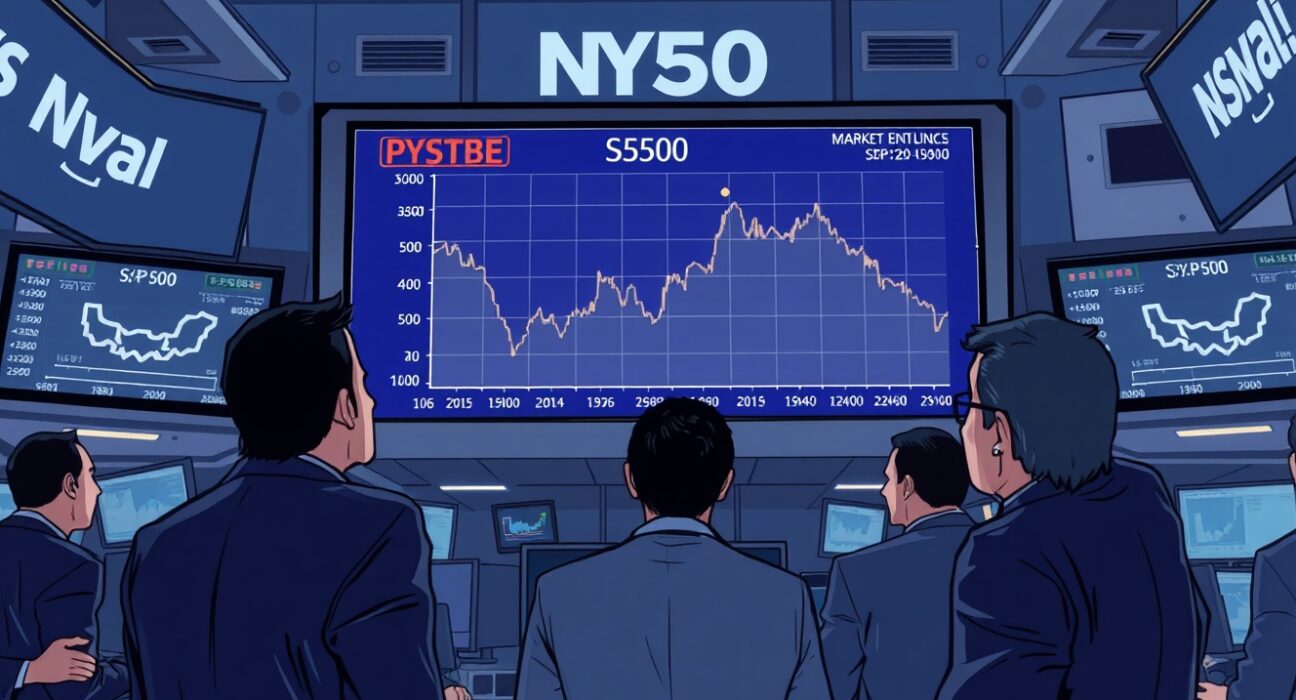
The S&P 500 has hit a pause in its recent upward trajectory, as a pronounced rotation out of high-growth technology stocks and into defensive sectors weighs on overall market momentum. Investors are recalibrating portfolios amid shifting expectations for interest rates, corporate earnings, and economic resilience.
What Is Driving the Rotation?
The current market shift is characterized by capital flowing from technology and consumer discretionary names into traditionally defensive sectors such as utilities, healthcare, and consumer staples. This rotation reflects growing caution among institutional investors who are reassessing risk appetite after a prolonged period of tech-led gains.
Several factors are contributing to this change in sentiment. First, recent economic data has shown mixed signals — resilient consumer spending but softening manufacturing activity — leading to uncertainty about the pace of Federal Reserve rate cuts. Second, valuations in the technology sector remain elevated relative to historical averages, prompting profit-taking. Third, geopolitical tensions and trade policy developments have added a layer of unpredictability that favors safer asset classes.
Impact on the S&P 500
The rotation has effectively stalled the S&P 500’s advance, with the index trading in a narrow range over the past several sessions. While defensive sectors have held up well, the broader market lacks the catalyst needed to push decisively higher. The technology sector, which accounts for a significant weighting in the index, has been the primary drag.
Analysts note that such rotations are not uncommon during periods of transition in the economic cycle. The key question is whether this is a temporary repositioning or the beginning of a more sustained shift in market leadership.
What This Means for Investors
For long-term investors, the rotation underscores the importance of diversification. Portfolios heavily concentrated in growth stocks may experience heightened volatility in the near term. Conversely, exposure to defensive sectors can provide a buffer against downside risk. Investors should also pay attention to upcoming earnings reports, particularly from major technology companies, as these will likely influence whether the rotation deepens or reverses.
Conclusion
The S&P 500’s pause reflects a market in transition, with defensive sectors gaining favor as investors weigh risks and opportunities. While the long-term outlook remains tied to economic fundamentals and corporate earnings, the current environment calls for a measured approach. Staying informed and maintaining a balanced portfolio are prudent strategies in this climate.
FAQs
Q1: What is a market rotation?
A market rotation is a shift in investor preference from one sector or asset class to another, often driven by changes in economic conditions, interest rates, or market sentiment.
Q2: Why are defensive sectors performing well?
Defensive sectors like utilities, healthcare, and consumer staples are considered less sensitive to economic cycles. They tend to attract investors seeking stability and consistent dividends during periods of uncertainty.
Q3: Should I sell my technology stocks?
That depends on your investment goals and risk tolerance. While technology stocks may face near-term headwinds, they remain important for long-term growth. Consider consulting a financial advisor before making significant portfolio changes.
Disclaimer: The information provided is not trading advice, Bitcoinworld.co.in holds no liability for any investments made based on the information provided on this page. We strongly recommend independent research and/or consultation with a qualified professional before making any investment decisions.
