

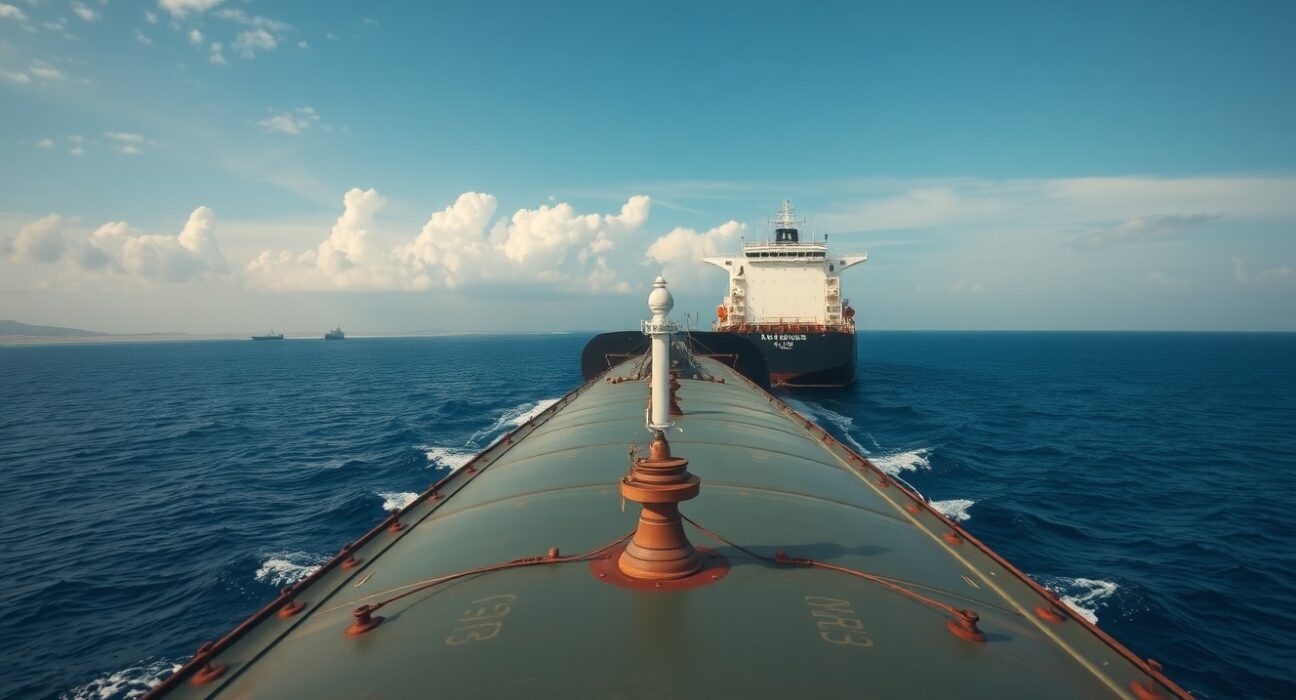
West Texas Intermediate (WTI) crude oil climbed above $69.00 per barrel on Thursday following reports that Iranian forces struck commercial vessels in the Strait of Hormuz, a critical chokepoint for global oil shipments. The incident has reignited fears of supply disruptions in one of the world’s most strategically important waterways.
Geopolitical Tensions Escalate in Key Oil Chokepoint
The Strait of Hormuz, located between Oman and Iran, handles roughly one-fifth of the world’s total oil consumption. Any disruption to shipping lanes there can have immediate effects on crude prices. According to initial reports, Iranian naval assets targeted multiple commercial ships, though details on casualties or damage remain unconfirmed. Maritime security sources indicate that tanker traffic has been advised to exercise extreme caution, with some vessels altering course.
Market Reaction and Price Movement
WTI futures surged approximately 2.5% in early trading, breaking through the $69 resistance level that had capped gains earlier this week. Brent crude, the international benchmark, also rose sharply, trading near $73.50. The price spike reflects immediate risk premium pricing by traders who are weighing the likelihood of prolonged instability in the region. Analysts note that the market had been relatively complacent about geopolitical risks in recent months, making the move more pronounced.
What This Means for Global Energy Markets
If confirmed as a deliberate escalation, the strikes could prompt naval responses from other nations and potentially lead to temporary closures or rerouting of tanker traffic. Even a short-term disruption can strain already tight global oil inventories. The U.S. Energy Information Administration has previously warned that a closure of the Strait of Hormuz could push oil prices significantly higher, with implications for inflation and economic growth worldwide. For consumers, higher crude prices typically translate into increased costs at the pump within weeks.
Conclusion
The reported strikes on commercial vessels in the Strait of Hormuz mark a serious development in an already volatile region. While the full extent of the incident is still emerging, the immediate market reaction underscores the sensitivity of oil prices to geopolitical shocks. Traders and policymakers will be closely monitoring official statements from Iran and other regional actors for further clarity. The situation remains fluid, and further price volatility is likely in the coming sessions.
FAQs
Q1: Why is the Strait of Hormuz important for oil prices?
The Strait of Hormuz is a narrow passage through which about 20% of the world’s oil passes daily. Any disruption there can quickly reduce global supply and push prices higher.
Q2: How high could oil prices go if the situation worsens?
Historical precedents and analyst models suggest that a prolonged closure could drive WTI above $80–$90 per barrel, depending on duration and the response from other producers.
Q3: Is the information about the strikes confirmed?
Initial reports come from maritime security sources and news agencies. Official confirmation from governments is pending, and the situation is still developing. Readers should treat the news as unconfirmed until verified by authoritative sources.
Disclaimer: The information provided is not trading advice, Bitcoinworld.co.in holds no liability for any investments made based on the information provided on this page. We strongly recommend independent research and/or consultation with a qualified professional before making any investment decisions.
