

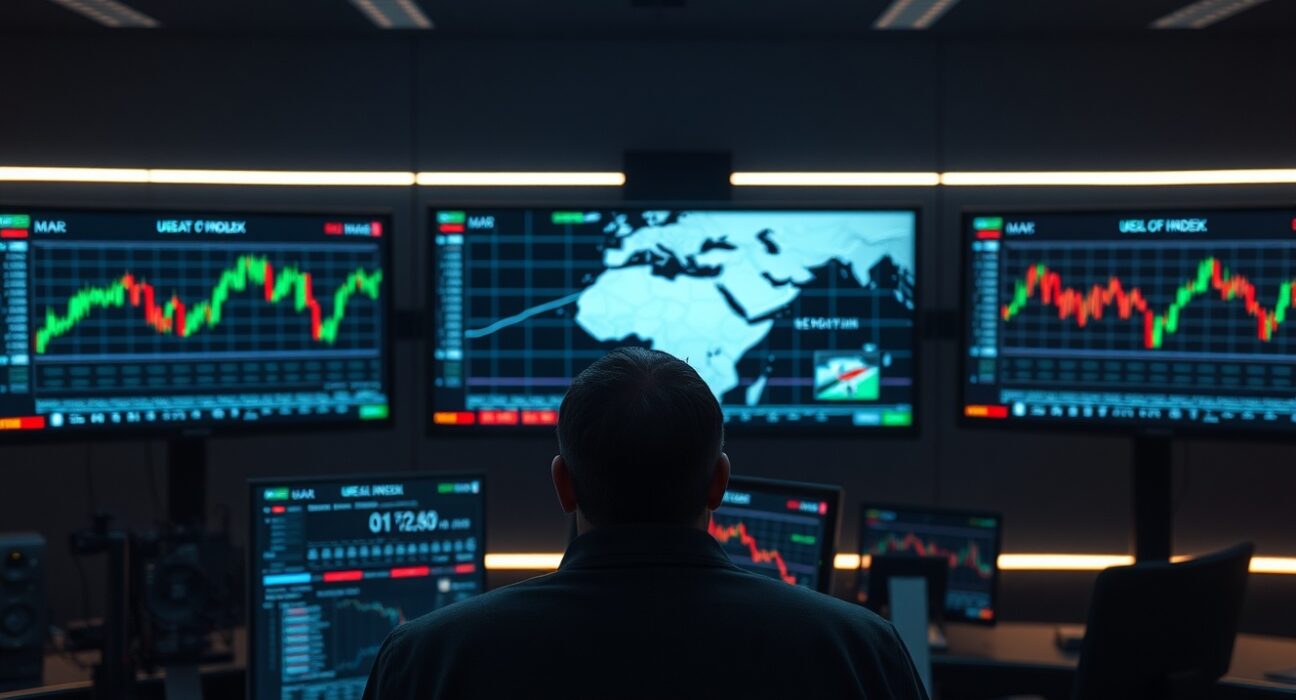
The United States Dollar Index (DXY) edged higher on Wednesday, extending its recent gains as escalating geopolitical tensions in the Strait of Hormuz prompted investors to rotate into safe-haven assets. The index, which measures the greenback against a basket of six major currencies, rose 0.3% to 104.85, its highest level in two weeks, as market participants weighed the potential for supply disruptions in one of the world’s most critical oil transit chokepoints.
Hormuz Tensions Drive Risk Aversion
The latest uptick in the dollar reflects a broader shift toward defensive positioning following reports of increased naval activity near the Strait of Hormuz. The narrow waterway, through which roughly 20% of the world’s oil passes, has become a flashpoint in recent weeks, with Iran and the United States exchanging warnings over freedom of navigation. While no direct confrontation has occurred, the heightened rhetoric has been enough to unsettle currency markets, where traders are pricing in a higher probability of disruptions.
“The dollar is benefiting from a classic safe-haven bid,” said Mark Tan, a senior currency strategist at a London-based brokerage. “When geopolitical risks spike, the dollar, yen, and Swiss franc tend to attract flows. The Hormuz situation is adding a layer of uncertainty that wasn’t fully priced in a month ago.”
Market Implications and Broader Context
The dollar’s strength comes despite a relatively quiet week on the U.S. economic data front. Investors are now closely watching the Federal Reserve’s next policy moves, with rate cut expectations already tempered by sticky inflation. The combination of geopolitical risk and a less dovish Fed outlook has created a supportive backdrop for the greenback.
For emerging market currencies, the news is less favorable. A stronger dollar typically puts pressure on EM assets, as it raises the cost of servicing dollar-denominated debt and can trigger capital outflows. The Mexican peso and South African rand were among the hardest hit on Wednesday, each losing more than 0.5% against the dollar.
Oil prices also reacted sharply, with Brent crude rising above $82 per barrel on supply concerns. Historically, sustained Hormuz disruptions have led to significant oil price spikes, which in turn feed into broader inflation expectations and central bank policy decisions.
What This Means for Investors
For retail and institutional investors, the key takeaway is the importance of monitoring geopolitical developments in the Middle East. The dollar’s safe-haven status remains intact, but prolonged tensions could lead to increased volatility across asset classes. Currency traders should watch for any diplomatic breakthroughs or escalations, as either could trigger sharp reversals in the DXY.
Additionally, the correlation between the dollar and risk assets like equities may shift. Historically, a rising dollar on safe-haven flows tends to weigh on stock markets, as it signals risk aversion. However, if the tensions are resolved quickly, the dollar could give back its gains just as fast.
Conclusion
The US Dollar Index’s recent firmness is a textbook response to rising geopolitical risk in the Strait of Hormuz. While the situation remains fluid, the dollar’s safe-haven appeal is likely to persist as long as uncertainty prevails. Investors should remain vigilant, as any change in the geopolitical landscape could rapidly alter the currency market’s trajectory.
FAQs
Q1: What is the US Dollar Index (DXY)?
The US Dollar Index measures the value of the US dollar relative to a basket of six major foreign currencies: the euro, Japanese yen, British pound, Canadian dollar, Swedish krona, and Swiss franc. It is a widely used benchmark for the dollar’s overall strength.
Q2: Why does the Strait of Hormuz matter for currency markets?
The Strait of Hormuz is a critical oil transit chokepoint. Any disruption or threat to shipping there can raise oil prices and increase global economic uncertainty, prompting investors to buy safe-haven assets like the US dollar, which strengthens the DXY.
Q3: How long can the dollar’s safe-haven rally last?
It depends on the duration and severity of the geopolitical tensions. If the situation de-escalates quickly, the dollar could retrace its gains. If tensions persist or escalate, the rally may continue, especially if combined with supportive Fed policy.
Disclaimer: The information provided is not trading advice, Bitcoinworld.co.in holds no liability for any investments made based on the information provided on this page. We strongly recommend independent research and/or consultation with a qualified professional before making any investment decisions.
