

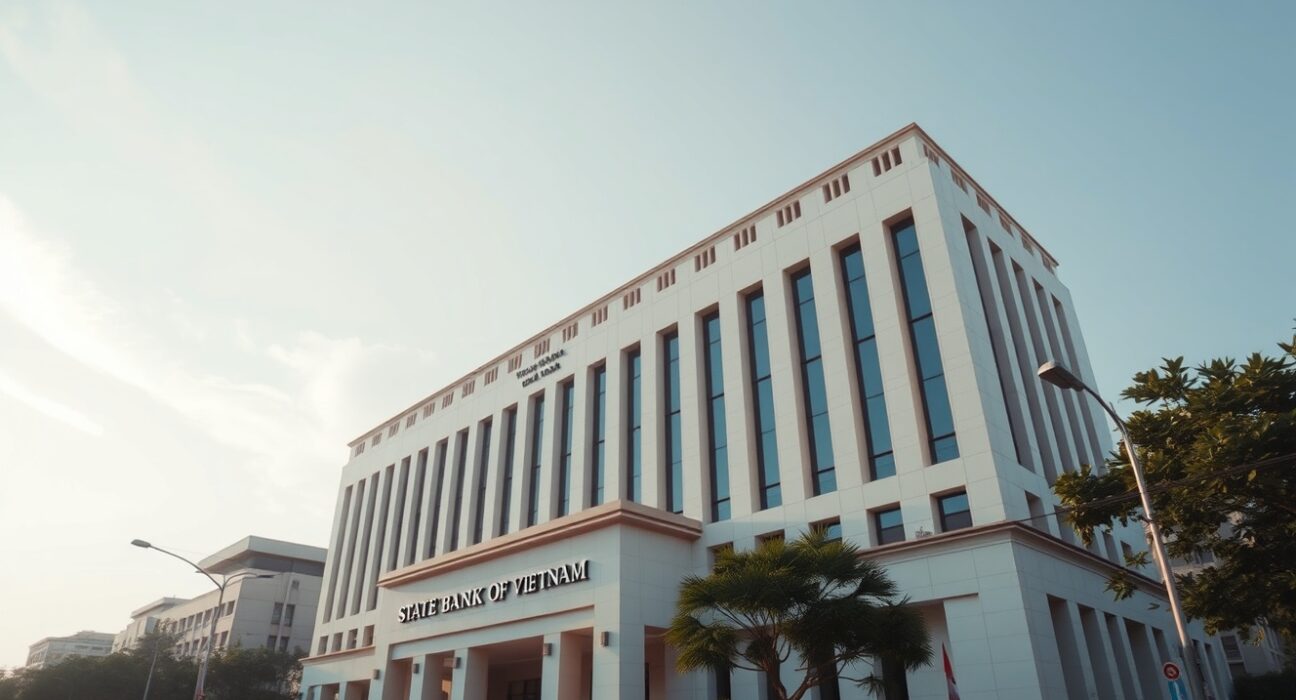
DBS Bank has released a research note indicating that Vietnam’s central bank can maintain its accommodative monetary policy stance as inflationary pressures in the country show signs of receding. The analysis provides a positive outlook for Vietnam’s economic trajectory, suggesting that the State Bank of Vietnam (SBV) has room to continue supporting growth without triggering price instability.
Inflation Trends Favor Policy Flexibility
According to DBS, Vietnam’s inflation data has been trending lower than earlier projections, reducing the urgency for the SBV to tighten policy. The bank’s economists note that core inflation remains contained, while global commodity prices have stabilized, further easing domestic cost pressures. This environment allows Vietnamese authorities to prioritize economic expansion, particularly in the manufacturing and export sectors, which are key drivers of the nation’s GDP.
The analysis comes after a period where Vietnam faced elevated inflation risks due to supply chain disruptions and rising energy costs. However, recent government data shows a moderation in consumer price index (CPI) growth, aligning with DBS’s assessment that the worst of the inflationary cycle has passed.
Implications for Monetary Policy and Growth
The supportive stance from the SBV is expected to keep borrowing costs low, encouraging business investment and consumer spending. DBS highlights that this approach is crucial for Vietnam to achieve its 2024-2025 growth targets, especially as external demand from key trading partners like the United States and Europe remains uneven.
Analysts point out that Vietnam’s central bank has skillfully balanced the dual mandate of controlling inflation and fostering growth. With inflation risks receding, the SBV can now focus more on stimulating domestic demand and maintaining exchange rate stability. This is particularly relevant as the Vietnamese dong has faced some depreciation pressure against the US dollar, a trend that a dovish policy stance could help manage.
Regional Context and Investor Sentiment
Vietnam’s policy flexibility stands in contrast to some other central banks in the region that are maintaining tighter stances due to persistent inflation. DBS’s report suggests that this divergence could make Vietnam an attractive destination for foreign direct investment (FDI) and portfolio inflows. The bank’s positive assessment reinforces confidence among international investors who are closely watching Southeast Asian markets for growth opportunities.
The research also notes that Vietnam’s structural reforms and improving infrastructure are complementary factors that enhance the effectiveness of monetary policy. A supportive credit environment, combined with fiscal measures, is expected to sustain the country’s robust economic momentum.
Conclusion
DBS’s analysis provides a clear signal that Vietnam’s macroeconomic management is on a solid footing. With inflation risks receding, the State Bank of Vietnam has the latitude to maintain its supportive policy stance, which bodes well for the country’s growth prospects. For businesses and investors, this outlook reinforces Vietnam’s position as a resilient and dynamic economy within the Asia-Pacific region.
FAQs
Q1: What is the main finding of the DBS report on Vietnam?
The report concludes that Vietnam’s central bank can maintain a supportive monetary policy because inflation risks have receded, allowing a focus on economic growth.
Q2: Why are inflation risks declining in Vietnam?
Inflation is easing due to stabilized global commodity prices, contained core inflation, and moderation in domestic consumer price growth.
Q3: How does this affect investors in Vietnam?
The accommodative policy stance is likely to support business investment, keep borrowing costs low, and enhance Vietnam’s attractiveness for foreign direct investment.
Disclaimer: The information provided is not trading advice, Bitcoinworld.co.in holds no liability for any investments made based on the information provided on this page. We strongly recommend independent research and/or consultation with a qualified professional before making any investment decisions.
