

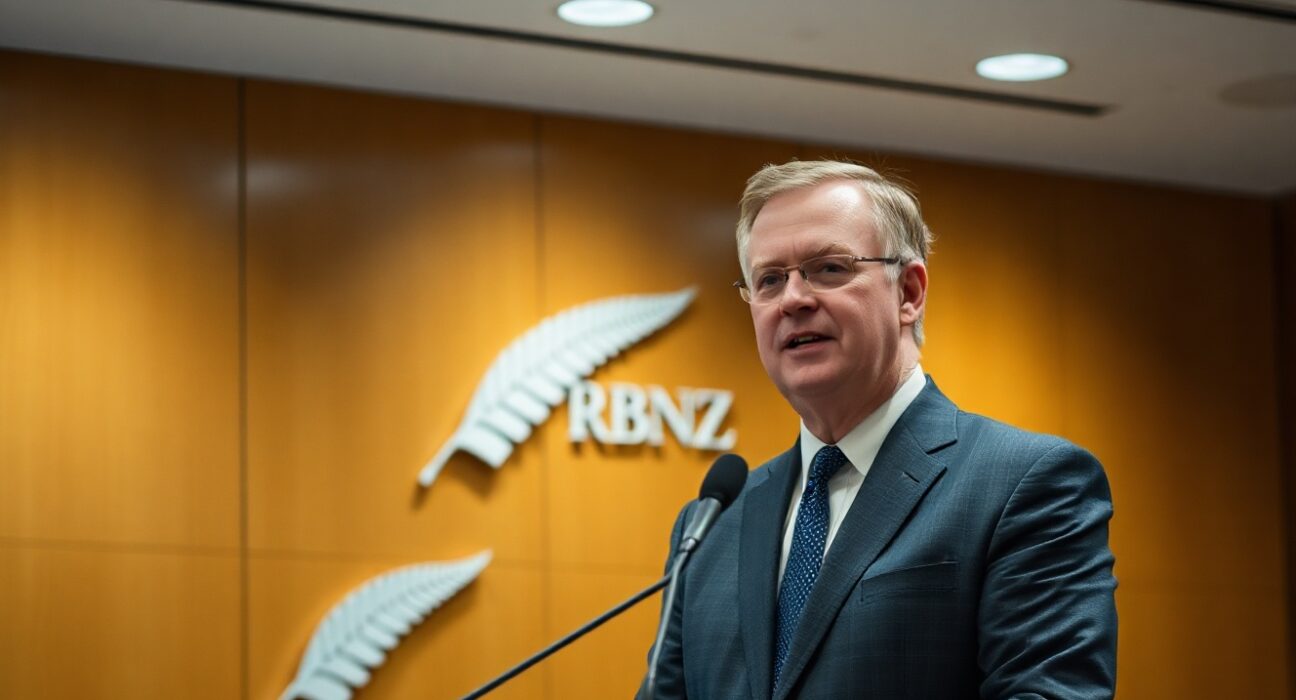
The Reserve Bank of New Zealand (RBNZ) Governor Adrian Orr delivered a closely watched speech today, providing detailed commentary on the central bank’s policy trajectory following its recent decision to raise the Official Cash Rate (OCR). The address, which came amid heightened market volatility, offered crucial signals for investors, businesses, and homeowners navigating a tightening monetary environment.
Context of the Rate Decision
The RBNZ’s latest rate hike, the most recent in a series of increases aimed at curbing persistent inflationary pressures, has placed the central bank at the center of national economic debate. Governor Orr’s speech served to contextualize this move, emphasizing that the decision was data-driven and necessary to anchor inflation expectations within the bank’s 1-3% target band. He reiterated that the RBNZ remains vigilant against second-round effects, such as wage-price spirals, which could entrench high inflation.
Key Takeaways from the Governor’s Address
Orr’s remarks focused on several core themes. First, he highlighted the resilience of the New Zealand economy, noting that while global headwinds persist, domestic demand has remained relatively robust. Second, he addressed the housing market, acknowledging that higher borrowing costs are cooling the sector as intended, but cautioned against a sharp correction. Third, he signaled that the RBNZ’s forward guidance remains conditional on incoming economic data, leaving the door open for further tightening if inflation proves stickier than anticipated.
Market and Consumer Implications
For financial markets, the speech reinforced expectations that the OCR will remain elevated for an extended period. Bond yields and the New Zealand dollar showed moderate reactions as traders digested the governor’s hawkish yet measured tone. For mortgage holders, the message was clear: the era of low interest rates has decisively ended, and borrowers should prepare for sustained higher repayment costs. Businesses, particularly in the retail and construction sectors, face a more cautious consumer environment as disposable income is squeezed.
Why This Speech Matters
Central bank communication is a critical policy tool, and Orr’s speech provided the market with the clarity needed to adjust expectations. By explaining the rationale behind the rate hike and outlining the conditions for future moves, the RBNZ aims to maintain credibility and prevent unnecessary financial instability. This transparency is especially valuable in a small, open economy like New Zealand’s, where external shocks can amplify domestic policy effects.
Conclusion
Governor Orr’s address successfully bridged the gap between the RBNZ’s recent action and its long-term strategy. While the path forward remains uncertain, the central bank has signaled its commitment to price stability, even if it means further economic adjustment. For readers, the key takeaway is that monetary policy will remain restrictive for the foreseeable future, requiring careful financial planning.
FAQs
Q1: Why did the RBNZ raise interest rates again?
The RBNZ raised rates to combat above-target inflation, which has been driven by strong domestic demand, a tight labor market, and global supply pressures. The goal is to bring inflation back to the 1-3% target range.
Q2: How will this rate hike affect my mortgage?
Banks typically pass on OCR increases to variable-rate mortgage customers, leading to higher monthly repayments. Fixed-rate borrowers may see higher costs upon renewal. It is advisable to review your budget and consider locking in rates if you anticipate further increases.
Q3: Will the RBNZ continue to raise rates?
Governor Orr indicated that future decisions depend on incoming economic data. If inflation remains stubbornly high, further hikes are possible. However, if the economy slows sharply, the RBNZ may pause or even cut rates. Stay informed by monitoring the bank’s Monetary Policy Statements.
Disclaimer: The information provided is not trading advice, Bitcoinworld.co.in holds no liability for any investments made based on the information provided on this page. We strongly recommend independent research and/or consultation with a qualified professional before making any investment decisions.
