

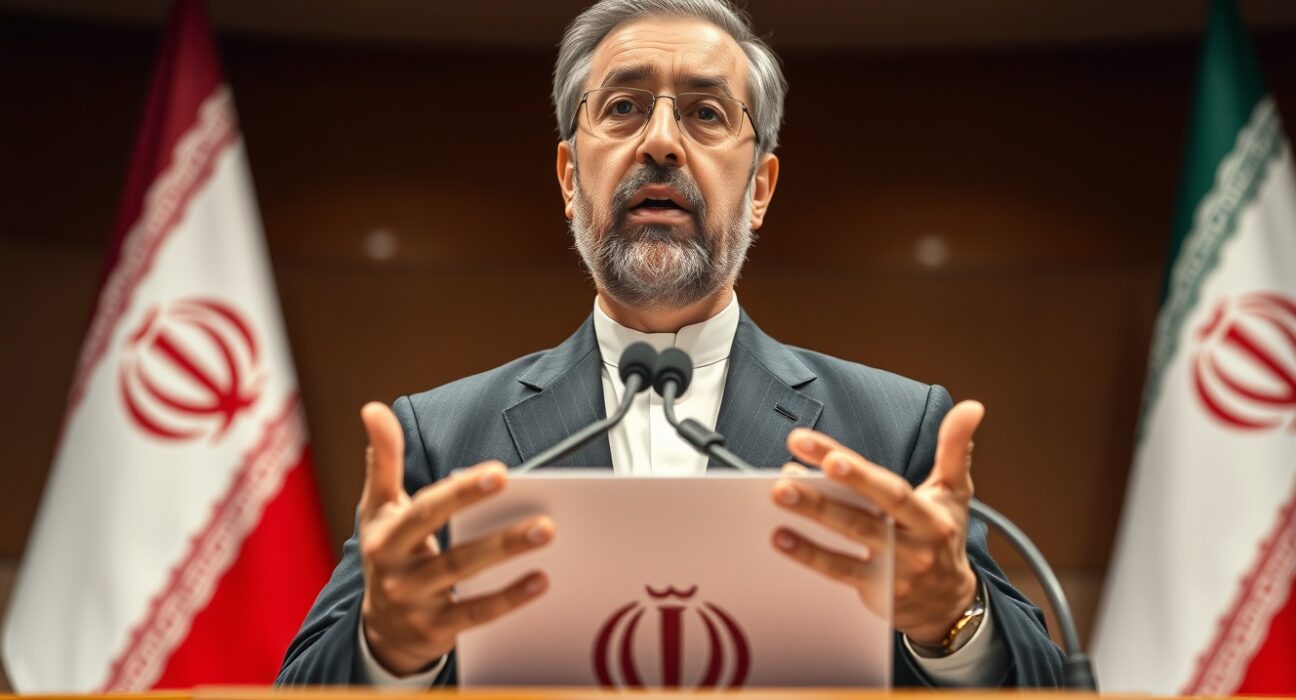
Iran’s Parliament Speaker, Mohammad Bagher Ghalibaf, has publicly accused the United States of violating a bilateral Memorandum of Understanding (MoU) between the two nations. The statement, made during a parliamentary session in Tehran, marks a significant escalation in rhetoric amid ongoing tensions over nuclear negotiations and regional policies.
Background of the MoU and Alleged Violations
The MoU in question, signed during earlier diplomatic exchanges, was intended to establish a framework for mutual cooperation on specific issues, including regional security and economic exchanges. Ghalibaf did not provide specific details of the alleged violations but stated that the US had failed to uphold its commitments, undermining the trust required for further dialogue. The accusation comes as Iran continues to face stringent US sanctions, which Tehran argues violate the spirit of previous agreements.
Implications for US-Iran Relations
This development adds a new layer of complexity to already strained US-Iran relations. The Biden administration has been attempting to revive the 2015 nuclear deal, formally known as the Joint Comprehensive Plan of Action (JCPOA), from which the US withdrew in 2018 under President Trump. Ghalibaf’s remarks suggest a hardening of positions within Iran’s political establishment, potentially complicating ongoing indirect talks mediated by European and Gulf states. Analysts note that such public accusations often precede a period of heightened diplomatic friction.
Why This Matters to Regional Stability
The accusation carries weight beyond bilateral relations. Iran’s influence extends across the Middle East, including in Iraq, Syria, Lebanon, and Yemen. Any perceived breach of agreements by the US could embolden hardline factions within Iran, potentially leading to more assertive regional actions. For global markets, particularly in energy, this rhetoric adds to uncertainty over oil supply routes and the potential for further sanctions.
Conclusion
Ghalibaf’s public accusation of a US MoU violation signals a deepening distrust between Tehran and Washington. While the full details of the alleged breaches remain unclear, the statement serves as a reminder of the fragile nature of diplomatic engagements. Observers will watch for any official response from the US State Department and whether this affects the trajectory of nuclear talks.
FAQs
Q1: What is the Memorandum of Understanding (MoU) mentioned by Ghalibaf?
The MoU refers to a bilateral agreement between Iran and the US, reportedly covering areas of mutual interest such as regional security and economic cooperation. Specific clauses have not been publicly detailed.
Q2: How has the US responded to Ghalibaf’s accusation?
As of the time of reporting, the US State Department has not issued an official response. The accusation is part of ongoing diplomatic tensions.
Q3: Could this affect the JCPOA nuclear deal negotiations?
Yes. Hardline statements from Iranian officials like Ghalibaf may reduce the political space for compromise, potentially delaying or derailing efforts to revive the 2015 nuclear agreement.
Disclaimer: The information provided is not trading advice, Bitcoinworld.co.in holds no liability for any investments made based on the information provided on this page. We strongly recommend independent research and/or consultation with a qualified professional before making any investment decisions.
