

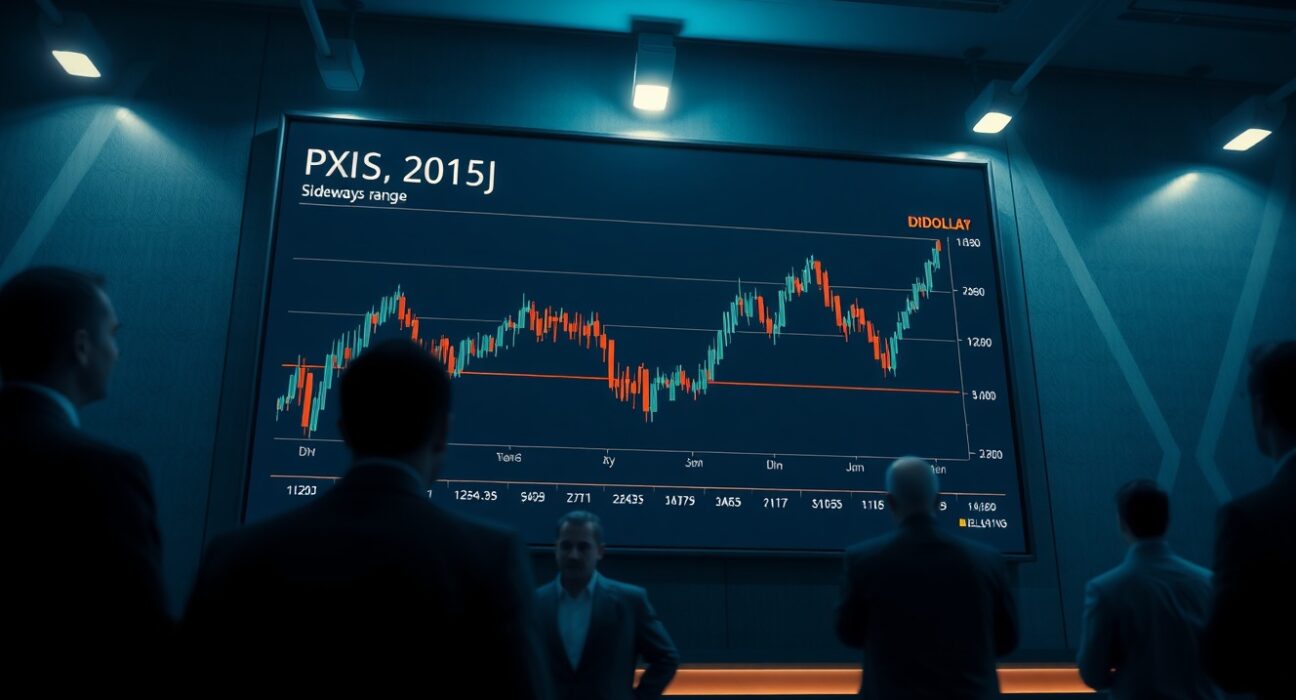
The United States Dollar Index (DXY) has remained locked in a tight trading range over the past several sessions, as market participants weigh the potential for a negotiated resolution to ongoing geopolitical conflicts against a backdrop of persistent economic uncertainty. The index, which measures the greenback against a basket of six major currencies, has been unable to break out of its recent consolidation zone, reflecting a cautious and indecisive market.
Ceasefire Hopes and Market Indecision
The primary driver of the dollar’s current range-bound behavior is the fluctuating sentiment surrounding peace negotiations. Reports of diplomatic progress have periodically buoyed risk appetite, which typically weighs on the safe-haven dollar. However, these hopes have been repeatedly tempered by a lack of concrete breakthroughs and continued hostilities on the ground. This push-and-pull dynamic has left the DXY without a clear directional catalyst, causing it to oscillate within a well-defined band. Analysts note that a definitive resolution to the conflict could trigger a sharp sell-off in the dollar as investors rotate into higher-yielding and risk-sensitive assets.
Technical Picture and Key Levels
From a technical analysis perspective, the DXY is currently consolidating near the middle of its recent range. Support is seen around the 103.50 level, a zone that has held firm on multiple tests. On the upside, resistance remains formidable near the 105.00 mark, which has capped rallies in recent weeks. The 50-day and 200-day moving averages are converging, a pattern that often precedes a period of significant volatility. A decisive break above resistance would signal renewed dollar strength, while a breakdown below support could open the door for a move toward the 102.00 level. Traders are closely monitoring these boundaries for signs of the next major move.
Implications for Traders and the Broader Economy
The dollar’s stalemate has significant implications for global markets. A weaker dollar would provide a tailwind for emerging market currencies and commodities priced in USD, such as gold and oil. Conversely, a stronger dollar could exacerbate financial conditions for countries with dollar-denominated debt. For U.S. multinational corporations, a stable dollar provides some predictability for earnings, but a prolonged period of range-bound trading suggests that the market is still pricing in a wide range of potential outcomes. The Federal Reserve’s next policy moves, which are themselves contingent on economic data and geopolitical developments, add another layer of complexity to the outlook.
Conclusion
The US Dollar Index is at a crossroads, trapped between the hope of peace and the reality of ongoing conflict. Until a clear catalyst emerges—be it a confirmed ceasefire, a major shift in monetary policy, or a significant economic data release—the DXY is likely to remain within its current trading range. Investors should prepare for a potential breakout in either direction, as the current period of low volatility often precedes a sharp move. The key is to watch the established support and resistance levels for confirmation of the next trend.
FAQs
Q1: What is the US Dollar Index (DXY)?
The US Dollar Index (DXY) is a measure of the value of the United States dollar relative to a basket of six major foreign currencies: the Euro, Japanese Yen, British Pound, Canadian Dollar, Swedish Krona, and Swiss Franc. It is a widely used benchmark for the dollar’s overall strength in the global forex market.
Q2: Why does a potential ceasefire affect the dollar?
The dollar is often viewed as a safe-haven currency, meaning investors tend to buy it during times of geopolitical turmoil and uncertainty. Hopes for a ceasefire reduce this uncertainty and can lead to a decrease in demand for safe-haven assets, potentially weakening the dollar as investors move into riskier assets like stocks and emerging market currencies.
Q3: What does a ‘range-bound’ market mean for traders?
A range-bound market is one where the price of an asset trades between a consistent high and low price level without establishing a clear upward or downward trend. For traders, this often means opportunities to buy near support and sell near resistance. However, it also signals that a significant breakout is likely once the price eventually moves outside the established range.
Disclaimer: The information provided is not trading advice, Bitcoinworld.co.in holds no liability for any investments made based on the information provided on this page. We strongly recommend independent research and/or consultation with a qualified professional before making any investment decisions.
