

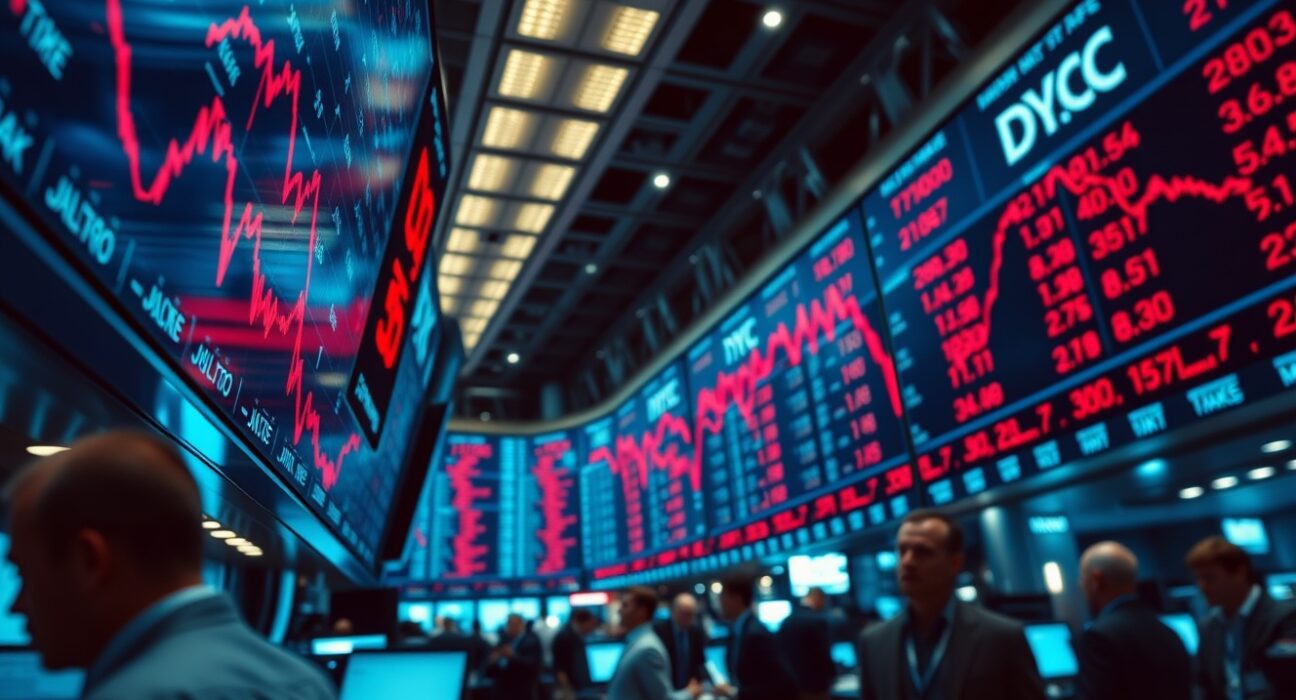
Dow Jones futures declined in early trading Tuesday as risk aversion swept through global markets ahead of the release of the Federal Reserve’s latest meeting minutes. Investors are bracing for further signals on the central bank’s monetary policy trajectory, with concerns over inflation and interest rates weighing heavily on sentiment.
Market Sentiment Turns Cautious
The dip in futures follows a mixed session on Wall Street, where the Dow Jones Industrial Average closed lower. The broader market is reacting to a combination of factors, including persistent inflation data, geopolitical tensions, and uncertainty over the pace of economic growth. The CBOE Volatility Index (VIX), often referred to as Wall Street’s fear gauge, has edged higher, reflecting increased demand for hedging against further downside.
Investors are particularly focused on the Federal Open Market Committee (FOMC) minutes, due for release later this week. The document is expected to provide deeper insight into the committee’s deliberations during its last meeting, including discussions on the timing and magnitude of potential rate cuts or hikes.
FOMC Minutes in Focus
The FOMC minutes are a critical piece of the puzzle for traders trying to gauge the central bank’s next move. Recent comments from Fed officials have been mixed, with some emphasizing the need to keep rates higher for longer to combat inflation, while others have signaled a more dovish stance. The minutes could clarify the balance of opinions within the committee and offer clues on the path forward.
Analysts expect the minutes to show a cautious tone, with policymakers likely acknowledging progress on inflation but remaining wary of prematurely easing policy. Any indication that the Fed is leaning toward a more hawkish stance could exacerbate the current risk-off mood.
Implications for Investors
For investors, the current environment underscores the importance of diversification and a focus on quality assets. Sectors that are sensitive to interest rates, such as technology and real estate, are likely to remain under pressure if the Fed maintains its hawkish posture. Conversely, defensive sectors like utilities and healthcare may attract flows as investors seek stability.
The risk aversion is also being felt in bond markets, where yields have edged higher as traders adjust their expectations for rate policy. The 10-year Treasury yield has moved up, reflecting the market’s anticipation of a prolonged period of tight monetary conditions.
Conclusion
The decline in Dow Jones futures highlights the fragile state of investor confidence as the market awaits the FOMC minutes. While the minutes may provide some clarity, the broader outlook remains uncertain, with inflation, growth, and geopolitical risks all in play. Investors should prepare for continued volatility and focus on fundamentals rather than short-term market noise.
FAQs
Q1: What are Dow Jones futures and why do they matter?
Dow Jones futures are contracts that track the expected value of the Dow Jones Industrial Average before the market opens. They provide an early indication of market direction and investor sentiment for the trading day ahead.
Q2: What are the FOMC Minutes and why are they important?
The FOMC Minutes are a detailed record of the Federal Reserve’s policy-setting committee meetings. They are important because they reveal the discussions, debates, and thinking behind the Fed’s decisions on interest rates and monetary policy, offering clues about future actions.
Q3: How does risk aversion affect stock markets?
Risk aversion leads investors to move away from higher-risk assets like stocks and into safer assets like bonds or cash. This selling pressure can cause broad market declines, particularly in sectors considered more speculative or growth-oriented.
Disclaimer: The information provided is not trading advice, Bitcoinworld.co.in holds no liability for any investments made based on the information provided on this page. We strongly recommend independent research and/or consultation with a qualified professional before making any investment decisions.
