

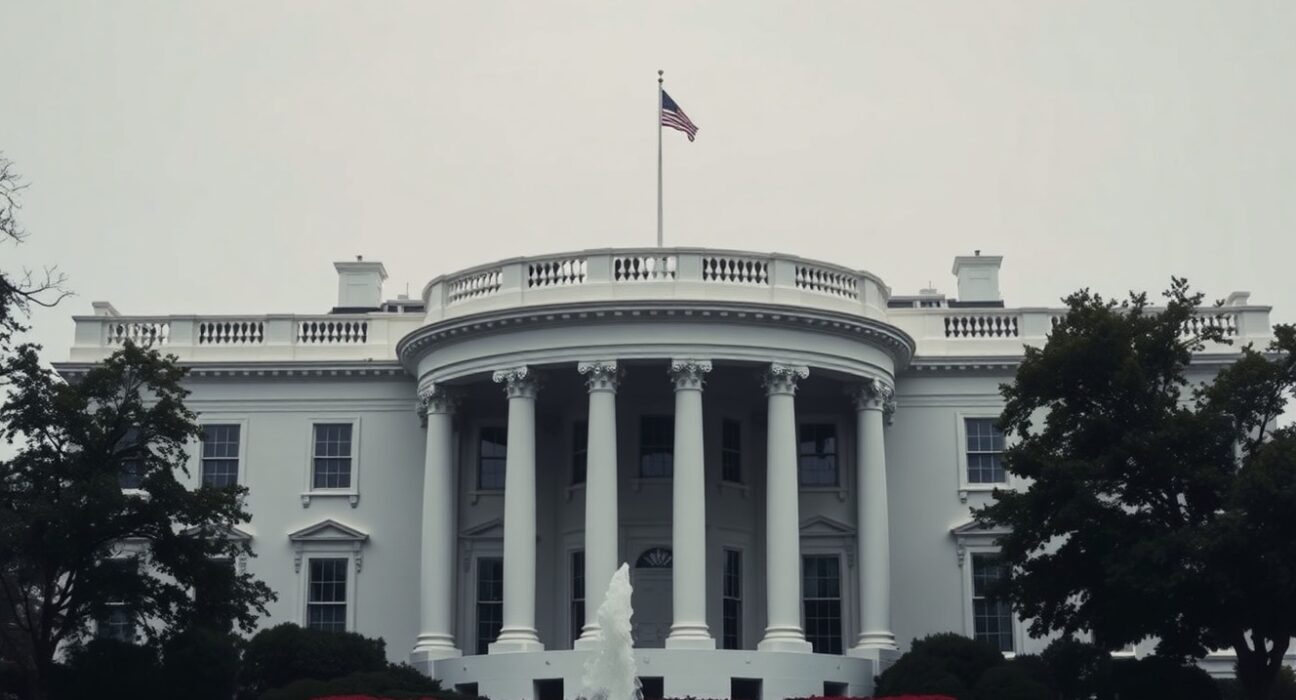
Washington, D.C. — U.S. President Donald Trump has stated that a large-scale military strike against Iran is a possible course of action, marking a significant escalation in rhetoric between the two nations. The comment, made during a recent interview, signals a hardening of the administration’s stance amid ongoing tensions over Iran’s nuclear program and regional activities.
Context and Background of US-Iran Tensions
The relationship between the United States and Iran has been fraught for decades, with periods of confrontation and brief diplomatic engagement. The Trump administration’s “maximum pressure” campaign, which includes economic sanctions and diplomatic isolation, has aimed to curb Iran’s nuclear ambitions and influence in the Middle East. However, Iran has responded by increasing uranium enrichment and supporting proxy forces in the region, leading to a cycle of escalation.
Implications of a Large-Scale Strike
A large-scale military strike against Iran would represent a major military operation, likely targeting nuclear facilities, military infrastructure, or leadership positions. Such an action could have far-reaching consequences, including:
- Potential for a broader regional conflict involving Iran’s allies in Lebanon, Syria, and Yemen.
- Disruption of global oil markets, given Iran’s strategic location near the Strait of Hormuz.
- Increased risk to U.S. personnel and allies in the Middle East.
- International legal and diplomatic repercussions, including potential condemnation from the United Nations.
Reactions and Expert Analysis
Analysts and former diplomats have expressed concern over the president’s statement, noting that it could provoke a retaliatory response from Iran. “A large-scale strike is not a surgical operation; it is an act of war,” said Dr. Sarah Miller, a Middle East security expert at the Institute for Strategic Studies. “The consequences would be unpredictable and could spiral out of control quickly.”
Iranian officials have not yet officially responded to the president’s remarks, but state media have characterized the threat as a violation of international norms. Meanwhile, U.S. allies in Europe have urged restraint, calling for renewed diplomatic efforts to de-escalate the situation.
Conclusion
President Trump’s statement that a large-scale strike on Iran is possible adds a new dimension to an already volatile geopolitical landscape. While the comment may be part of a broader negotiation strategy, it carries the weight of a credible threat given the administration’s previous military actions. The coming weeks will be critical in determining whether this rhetoric leads to actual military confrontation or renewed diplomatic engagement. For now, the world watches as the situation develops.
FAQs
Q1: What did President Trump say about a strike on Iran?
President Trump stated that a large-scale strike against Iran is a possible future action, without providing specific details on timing or scope.
Q2: Why is the US considering a strike on Iran?
The threat is part of ongoing tensions over Iran’s nuclear program, its support for proxy forces, and the failure of diplomatic efforts to reach a comprehensive agreement.
Q3: What would be the global impact of a US strike on Iran?
A strike could disrupt global oil supplies, trigger a wider Middle Eastern conflict, and strain international relations, with potential economic and humanitarian consequences.
Disclaimer: The information provided is not trading advice, Bitcoinworld.co.in holds no liability for any investments made based on the information provided on this page. We strongly recommend independent research and/or consultation with a qualified professional before making any investment decisions.
