

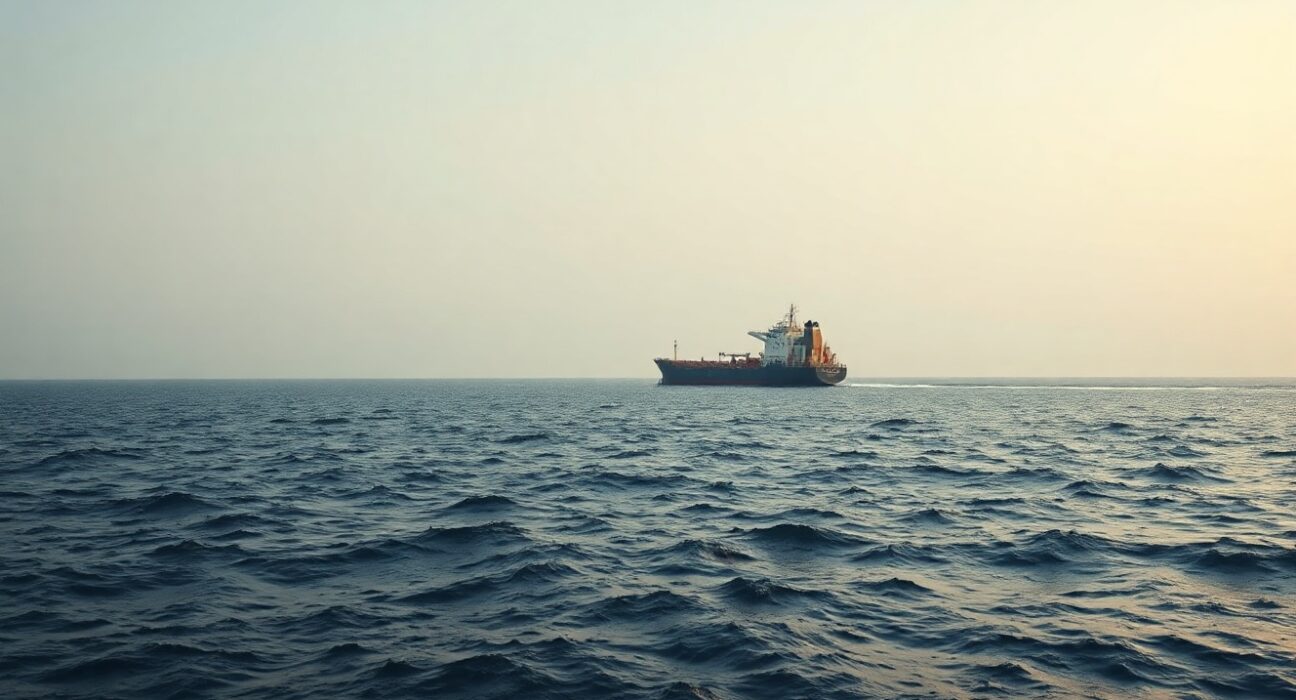
Qatar has formally condemned recent attacks on ships in the Gulf region, attributing the strikes to Iran and urging all parties to recommit to the existing Memorandum of Understanding (MoU) aimed at de-escalating maritime tensions. The statement, issued by Qatar’s Ministry of Foreign Affairs, underscores Doha’s growing concern over the security of vital shipping lanes in the strategically important waterway.
Background of the Attacks
The incidents, which occurred over the past week, involved explosions and projectile strikes on at least two commercial vessels transiting the Gulf. While no casualties have been officially confirmed, the attacks have disrupted shipping schedules and raised insurance premiums for vessels operating in the area. Iran has not formally acknowledged responsibility, but Qatari officials point to evidence linking the strikes to Iranian naval units.
Qatar’s Diplomatic Position
Doha’s condemnation marks a notable shift in its traditionally cautious stance toward Tehran. Qatar has historically maintained cordial relations with Iran, particularly in energy and trade sectors. However, the recent escalation appears to have tested these ties. The Qatari Foreign Ministry called for “immediate restraint” and stressed that the MoU, signed in 2023, provides a framework for resolving disputes without resorting to force. The agreement includes provisions for joint patrols and communication hotlines to prevent misunderstandings at sea.
Implications for Regional Stability
The attacks come amid heightened tensions between Iran and Western naval forces, including the United States and the United Kingdom, which have increased their presence in the Gulf. For Qatar, which hosts a major U.S. military base and is a key mediator in regional conflicts, the situation poses a delicate balancing act. Analysts suggest that Doha’s public stance may be intended to signal to both Washington and Tehran that it will not tolerate disruptions to maritime commerce, which is critical to the Qatari economy and global energy markets.
Conclusion
Qatar’s call for adherence to the MoU reflects a broader desire among Gulf states to prevent the region from sliding into a wider conflict. With shipping lanes carrying a significant portion of the world’s oil and liquefied natural gas, any sustained disruption could have severe economic consequences. The coming days will be crucial in determining whether diplomatic channels can de-escalate the situation or if further incidents will strain Qatar-Iran relations.
FAQs
Q1: What is the Memorandum of Understanding (MoU) mentioned in the article?
The MoU is a bilateral agreement between Gulf states and Iran, signed in 2023, aimed at reducing maritime incidents through joint patrols, communication protocols, and conflict resolution mechanisms.
Q2: Why are ship attacks in the Gulf significant for the global economy?
The Gulf is a critical chokepoint for global oil and LNG shipments. Any disruption can cause price volatility, increase shipping costs, and threaten energy security for importing nations.
Q3: How does Qatar balance its ties with both Iran and the United States?
Qatar maintains diplomatic and economic relations with Iran while hosting the U.S. Central Command’s forward headquarters. This dual relationship allows Doha to act as a mediator, but it also requires careful navigation during periods of heightened tension.
Disclaimer: The information provided is not trading advice, Bitcoinworld.co.in holds no liability for any investments made based on the information provided on this page. We strongly recommend independent research and/or consultation with a qualified professional before making any investment decisions.
