

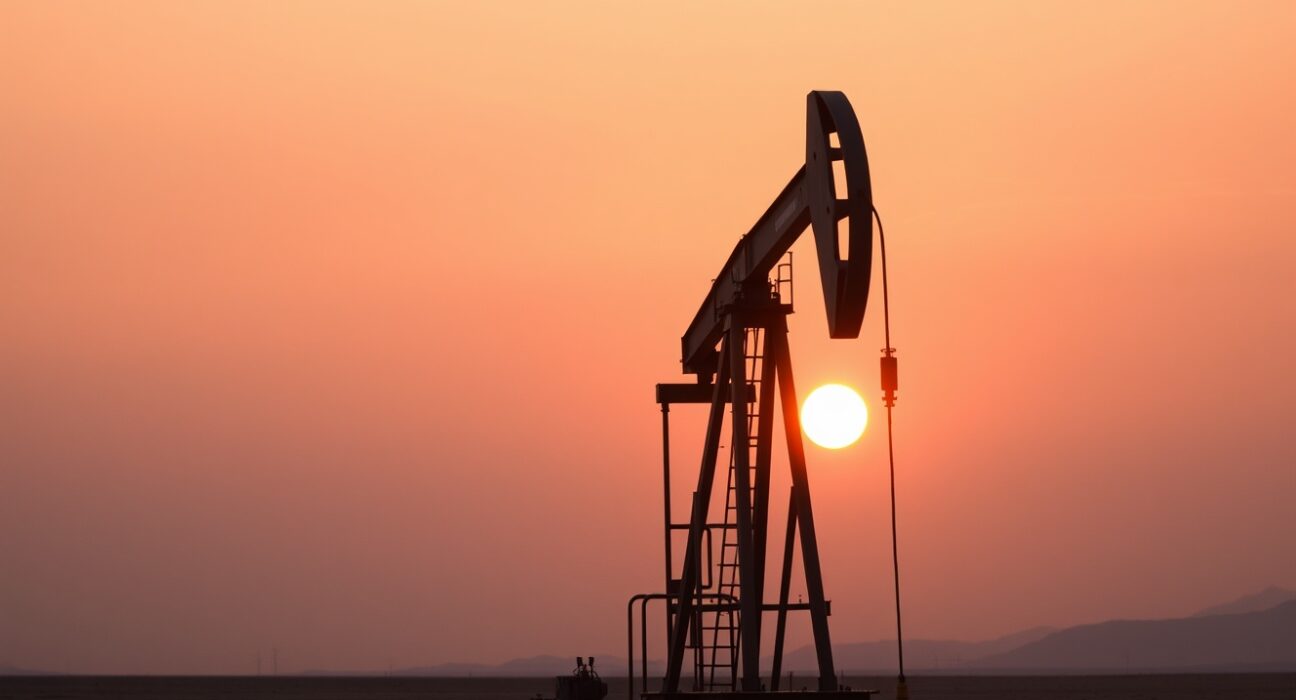
The recent rally in West Texas Intermediate (WTI) crude oil prices has taken a breather this week, as emerging signs of potential de-escalation in US-Iran tensions prompted traders to reassess geopolitical risk premiums. After climbing steadily on supply disruption fears, benchmark futures eased in early trading, reflecting a cautious market recalibrating its outlook.
Geopolitical Signals Shift Market Sentiment
Reports indicating possible diplomatic channels reopening between Washington and Tehran have injected a note of caution into what had been a one-directional rally. While no formal agreements have been confirmed, the mere suggestion of reduced hostilities has been enough to cool speculative buying. Analysts note that the oil market had priced in a significant disruption premium over recent weeks, and any credible de-escalation signal naturally triggers profit-taking and position adjustments.
The shift comes after weeks of heightened rhetoric and military posturing in the Persian Gulf, which had pushed WTI above key resistance levels. The strategic importance of the Strait of Hormuz — through which roughly 20% of global oil passes — made any US-Iran friction an immediate concern for energy markets. Now, traders are watching for concrete steps rather than headlines.
Market Fundamentals Remain Tight
Despite the pause in price momentum, underlying supply-demand dynamics remain supportive of elevated prices. OPEC+ production cuts, combined with steady global demand, continue to drain inventories. The International Energy Agency’s latest monthly report highlighted that the market could shift into a deficit in the second half of the year if current output levels hold.
However, the de-escalation narrative introduces a new variable. If geopolitical tensions ease meaningfully, some of the risk premium embedded in prices could unwind, potentially pulling WTI back toward pre-crisis levels. That said, the market has been here before — false dawns in diplomacy are common, and traders remain wary of overreacting to unconfirmed reports.
What Traders Should Watch Next
The key near-term catalyst remains any official confirmation of talks or a tangible reduction in military activity. Beyond that, weekly US inventory data from the Energy Information Administration (EIA) will provide a reality check on physical market conditions. A larger-than-expected drawdown could reignite bullish momentum, while a build might accelerate the pullback.
Additionally, the US dollar’s trajectory and broader risk appetite in financial markets will influence crude’s direction. A weaker dollar typically supports oil prices, while a flight to safety could weigh on commodities.
Conclusion
The WTI rally’s pause reflects a market that is rationally reassessing the probability of a sustained geopolitical crisis. While the underlying supply picture remains constructive, the removal of a fear premium can lead to sharp corrections. For now, the prudent stance is to watch for diplomatic confirmation and inventory data before committing to the next directional move. The story is far from over, but the market is taking a timeout to think.
FAQs
Q1: Why did WTI crude oil prices pause their rally?
The rally paused due to emerging signals that US-Iran tensions may be de-escalating, prompting traders to reduce geopolitical risk premiums built into prices.
Q2: Could WTI prices fall significantly if tensions ease?
Yes, if a credible de-escalation occurs, some of the risk premium could unwind, potentially pulling prices lower. However, tight supply fundamentals may limit the downside.
Q3: What should oil traders focus on in the coming days?
Traders should watch for official confirmation of US-Iran diplomatic moves, weekly EIA inventory data, and broader market risk sentiment for clues on the next price move.
Disclaimer: The information provided is not trading advice, Bitcoinworld.co.in holds no liability for any investments made based on the information provided on this page. We strongly recommend independent research and/or consultation with a qualified professional before making any investment decisions.
