

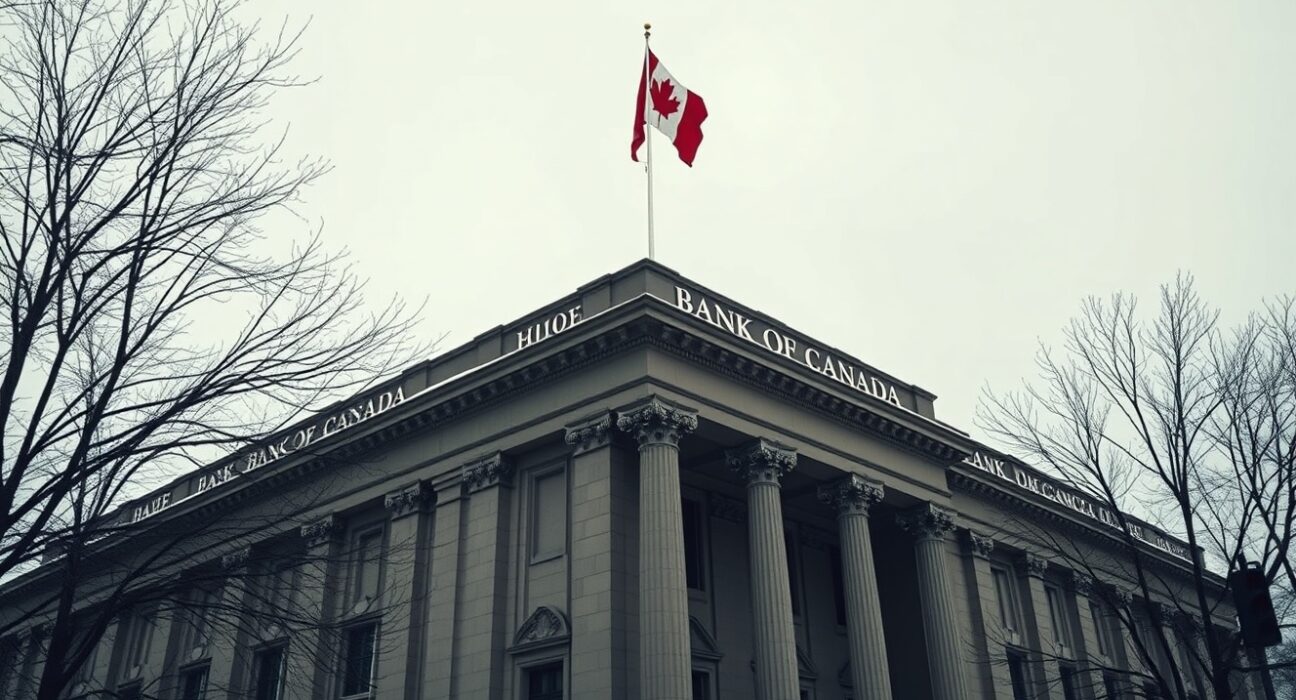
As markets brace for the Bank of Canada’s (BoC) upcoming interest rate decision, analysts at ING have weighed in with a measured outlook, suggesting that the central bank is unlikely to deliver a hawkish surprise. In a note released this week, ING economists stated that “the bar for a material hawkish turn is high,” reinforcing expectations that the BoC will maintain its current policy stance.
Why a Hawkish Shift Is Unlikely
ING’s analysis points to several factors that limit the BoC’s ability to pivot aggressively toward tighter policy. Chief among them is the ongoing softness in the Canadian economy, which has shown mixed signals in recent months. While inflation remains above the central bank’s target, growth has been sluggish, and the labor market is showing signs of cooling. ING argues that these conditions make a sharp hawkish turn both risky and premature.
The analysts also note that the BoC has consistently emphasized a data-dependent approach, and the incoming data does not yet justify a dramatic shift in rhetoric or action. The central bank is likely to hold rates steady while leaving the door open for future adjustments if economic conditions change.
Market Expectations and Implications
Financial markets have largely priced in a hold at the upcoming meeting, with little expectation of a rate change. However, some investors have been speculating about a potential hawkish tilt in the BoC’s forward guidance. ING’s assessment suggests that such a tilt is unlikely, which could lead to a modest relief rally in bonds and a slight weakening of the Canadian dollar.
For Canadian homeowners and borrowers, the central bank’s cautious stance offers some respite. Mortgage rates, which have been elevated, may stabilize in the near term. However, ING warns that the BoC remains vigilant on inflation, and any unexpected uptick in price pressures could force a reassessment.
Broader Economic Context
The BoC’s decision comes against a backdrop of global monetary policy divergence. While the U.S. Federal Reserve has signaled a slower pace of rate cuts, the European Central Bank has maintained a cautious tone. Canada’s economy, heavily tied to commodity prices and trade with the U.S., faces unique headwinds that limit the central bank’s flexibility.
ING’s analysis aligns with a growing consensus among economists that the BoC will remain on hold for the next several months, barring a significant shift in economic data. The central bank is expected to prioritize stability over surprise, a stance that reflects both domestic realities and global uncertainties.
Conclusion
The Bank of Canada’s upcoming rate decision is unlikely to produce fireworks, according to ING. With a high bar for a hawkish turn and a data-dependent approach firmly in place, the central bank is expected to hold steady. For markets and consumers, this means a period of stability, though the path forward remains contingent on evolving economic conditions.
FAQs
Q1: What does ‘hawkish turn’ mean in the context of central banking?
A hawkish turn refers to a central bank adopting a more aggressive stance toward controlling inflation, typically by signaling or implementing higher interest rates. It implies a greater focus on tightening monetary policy.
Q2: Why does ING believe the Bank of Canada won’t become hawkish?
ING points to weak economic growth, a cooling labor market, and mixed inflation data as reasons the BoC is unlikely to surprise with a hawkish shift. The bar for such a move is considered high given current conditions.
Q3: How might this affect the Canadian dollar and bond markets?
A steady BoC stance, without a hawkish tilt, could lead to a slight weakening of the Canadian dollar and a modest rally in bond prices, as markets adjust to the absence of a surprise policy shift.
Disclaimer: The information provided is not trading advice, Bitcoinworld.co.in holds no liability for any investments made based on the information provided on this page. We strongly recommend independent research and/or consultation with a qualified professional before making any investment decisions.
