

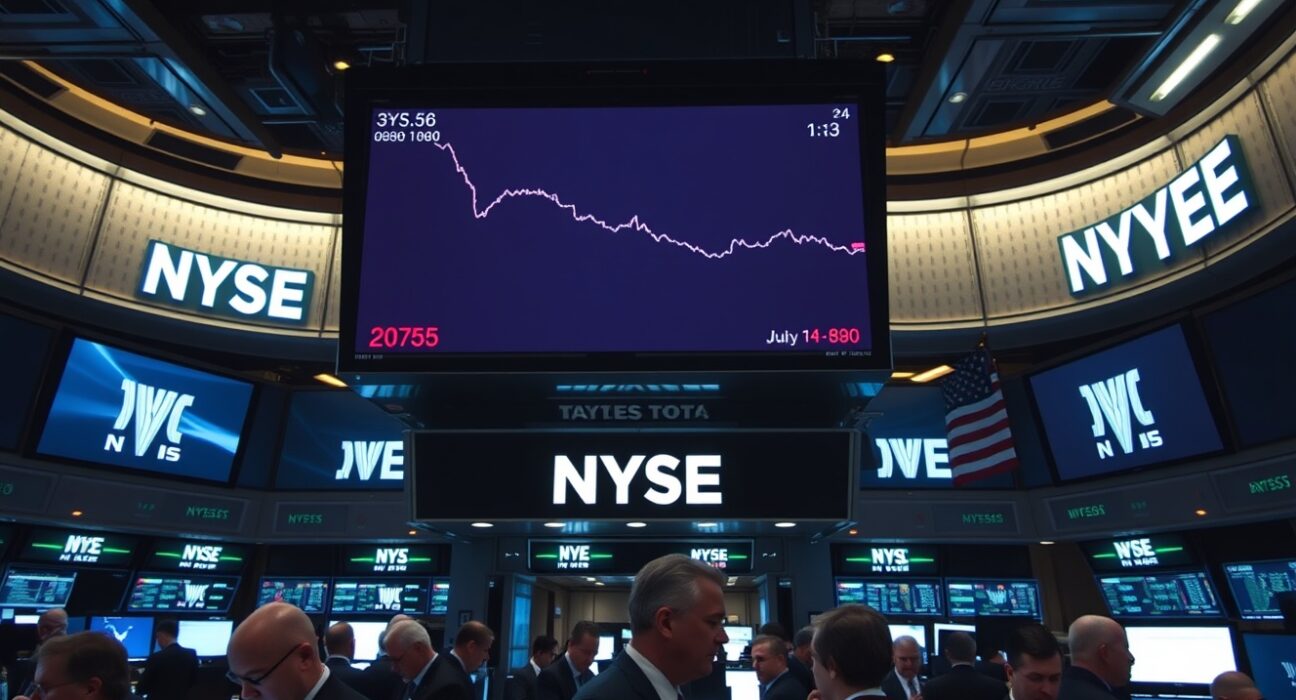
The Dow Jones Industrial Average (DJIA) displayed a muted response on Tuesday following the second reported death of a ceasefire agreement in the ongoing Gaza conflict, with market participants treating the event as a familiar rerun rather than a fresh shock. The blue-chip index edged lower by 0.2% in early afternoon trading, reflecting a pattern of diminishing reaction to geopolitical headlines that have become increasingly repetitive.
Market Desensitization to Ceasefire Failures
The latest ceasefire collapse, which resulted in renewed hostilities and casualties, failed to trigger the sharp sell-offs or safe-haven rallies that typically accompany such news. Analysts point to a growing desensitization among traders who have priced in a prolonged conflict scenario. The DJIA’s narrow trading range—less than 150 points—suggests that institutional investors are no longer treating each ceasefire breakdown as a binary event.
This marks a departure from earlier stages of the conflict, where each collapse or breakthrough in negotiations caused significant intraday volatility. The market’s current behavior indicates that geopolitical risk premiums have been largely absorbed, with traders focusing instead on domestic economic data and corporate earnings.
Why the Market Response Matters
The DJIA’s indifference carries implications beyond short-term trading. It signals that financial markets may be underestimating the potential for escalation or longer-term economic disruption. Historically, prolonged conflicts in the Middle East have led to energy price spikes, supply chain disruptions, and shifts in investor sentiment. However, the current market pricing suggests that traders view the ceasefire’s failure as a contained event with limited spillover effects.
Energy and Safe-Haven Assets
Crude oil prices remained relatively stable, with West Texas Intermediate crude hovering near $78 per barrel, while gold, a traditional safe haven, saw only modest gains of 0.3%. The lack of a pronounced move in these assets reinforces the narrative that markets have already discounted a protracted conflict. Treasury yields, meanwhile, edged slightly lower, reflecting a cautious but not panicked bond market.
Conclusion
The Dow Jones Industrial Average’s subdued reaction to the second ceasefire death underscores a broader market fatigue with geopolitical headlines. While this desensitization may provide short-term stability, it also raises questions about whether investors are adequately pricing in tail risks. For now, the DJIA appears to be treating the conflict as background noise, but the situation remains fluid, and any unexpected escalation could quickly reset market expectations.
FAQs
Q1: Why did the Dow Jones not react strongly to the ceasefire collapse?
The market has become desensitized to repeated ceasefire failures in the Gaza conflict. Traders have already priced in a prolonged conflict, reducing the shock value of each new breakdown. Institutional investors are focusing on economic data and earnings rather than geopolitical headlines.
Q2: Does a muted market response mean the conflict is not important to investors?
Not necessarily. A muted response suggests that the market views the current situation as within expectations. However, it does not rule out the possibility of a sharp reaction if the conflict escalates unexpectedly or begins to impact global energy supplies or trade routes.
Q3: What other factors are influencing the Dow Jones right now?
Investors are currently weighing Federal Reserve interest rate expectations, upcoming corporate earnings reports, and domestic economic indicators such as consumer spending and manufacturing data. These factors are having a greater influence on the DJIA than geopolitical developments in the short term.
Disclaimer: The information provided is not trading advice, Bitcoinworld.co.in holds no liability for any investments made based on the information provided on this page. We strongly recommend independent research and/or consultation with a qualified professional before making any investment decisions.
