

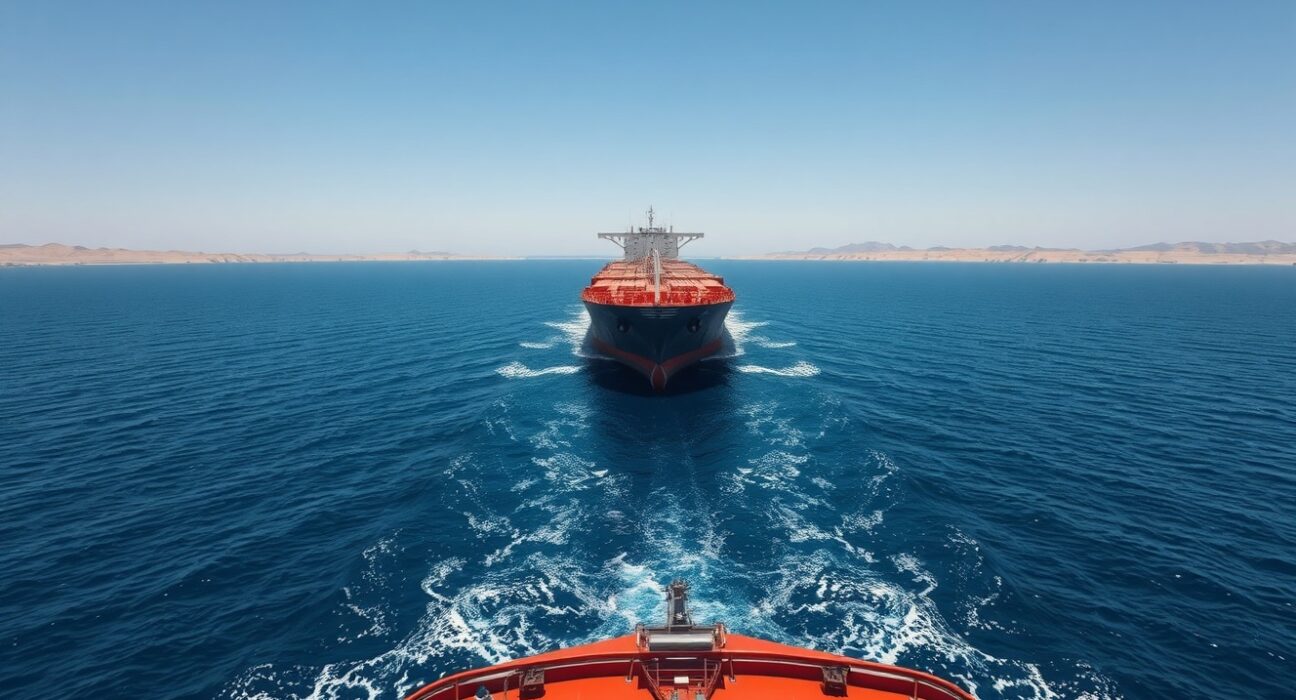
Crude oil prices have climbed sharply in recent trading sessions, driven by escalating geopolitical risks in the Strait of Hormuz, according to a new analysis from ING. The strategic waterway, through which approximately one-fifth of the world’s petroleum passes, has become a flashpoint, prompting concerns over potential supply disruptions.
Geopolitical Flashpoint in a Global Chokepoint
The Strait of Hormuz, a narrow passage between the Persian Gulf and the Gulf of Oman, is a critical artery for global energy markets. Recent incidents involving naval forces and commercial shipping in the region have heightened fears of a direct confrontation that could impede the flow of oil. ING’s analysts note that while a full closure of the strait remains a low-probability event, even temporary disruptions could have significant and immediate effects on prices.
Market Response and Immediate Implications
The price of Brent crude has risen by several dollars per barrel in response to the heightened tensions, reflecting a risk premium that traders are applying to Middle Eastern crude. ING’s report highlights that the market is now pricing in a higher likelihood of supply constraints, which could persist as long as the geopolitical situation remains unresolved. The analysis also points to the potential for increased volatility, with prices sensitive to any news of further escalation or diplomatic breakthroughs.
Why This Matters for Consumers and the Global Economy
Sustained high oil prices have a direct impact on consumers through higher fuel costs and can feed into broader inflationary pressures. For import-dependent economies, particularly in Asia and Europe, a prolonged period of elevated prices could slow economic growth. ING’s analysts caution that the current situation adds another layer of uncertainty to an already fragile global economic outlook, where central banks are grappling with inflation and slowing demand.
Conclusion
The oil market is currently navigating a complex landscape of geopolitical risk and supply concerns. ING’s analysis underscores that the situation in the Strait of Hormuz is the primary driver of the recent price surge, and the market’s focus will remain on any developments that could either ease or exacerbate tensions. Investors and consumers alike should prepare for continued volatility until a clearer picture of the strategic situation emerges.
FAQs
Q1: Why is the Strait of Hormuz important for oil prices?
The Strait of Hormuz is a vital maritime chokepoint through which a large percentage of the world’s oil is transported. Any threat to its security directly impacts global supply expectations, causing prices to rise.
Q2: What did ING specifically say about the oil price surge?
ING analysts attributed the price surge directly to the escalating geopolitical tensions in the Strait of Hormuz, noting that the market is pricing in a higher risk of supply disruptions.
Q3: How long could this price surge last?
The duration of the price surge is uncertain and depends on geopolitical developments. If tensions de-escalate, prices could fall quickly. However, prolonged instability could keep prices elevated for an extended period.
Disclaimer: The information provided is not trading advice, Bitcoinworld.co.in holds no liability for any investments made based on the information provided on this page. We strongly recommend independent research and/or consultation with a qualified professional before making any investment decisions.
