

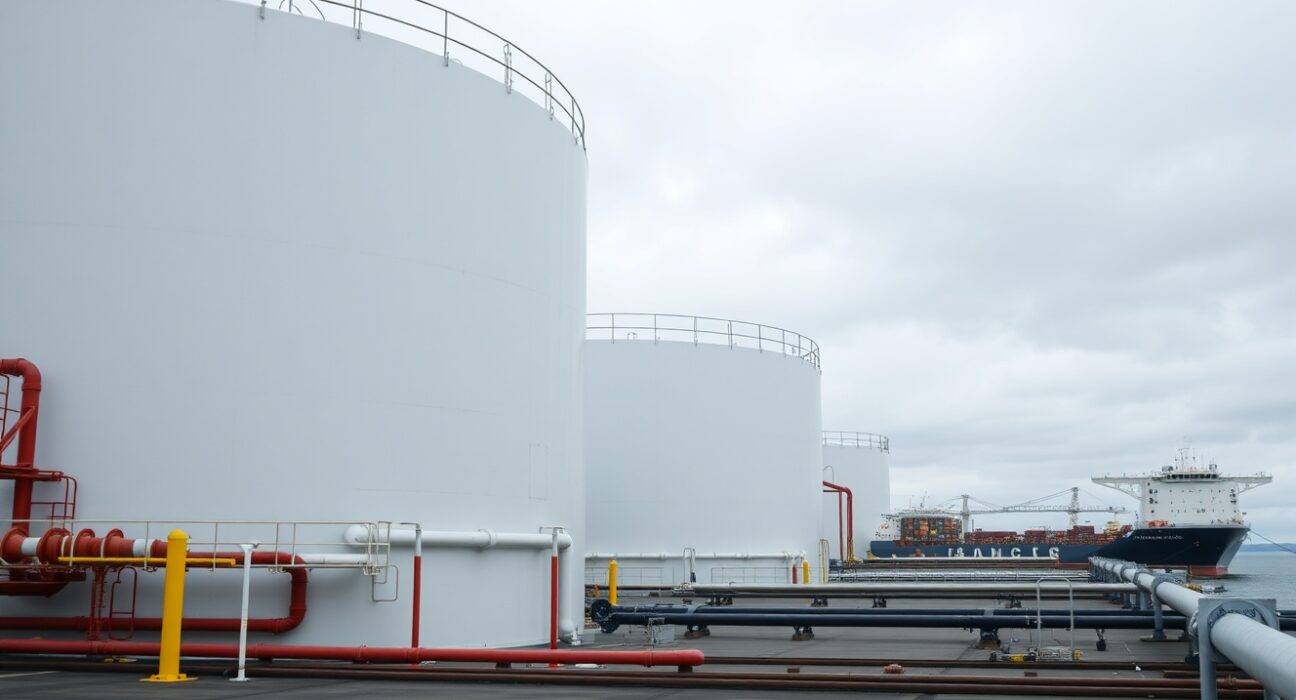
European natural gas prices have risen as geopolitical tensions in the Gulf region threaten supply stability, according to a report from ING. The price increase reflects growing market concerns over potential disruptions to liquefied natural gas (LNG) shipments from one of the world’s key energy transit hubs.
What is driving the price increase?
ING analysts point to heightened risks in the Gulf, a critical region for global LNG exports. Any escalation could directly affect the flow of gas to Europe, which has become increasingly reliant on LNG imports following reduced pipeline supplies from Russia. The market is pricing in a risk premium as traders factor in potential supply interruptions.
How significant is the impact on European energy markets?
While the exact price movement was not specified in the initial report, the trend is notable because European gas prices had been relatively stable in recent weeks. The Gulf risk adds a new layer of uncertainty for a market still adjusting to the post-2022 energy crisis. Storage levels across the EU remain above historical averages for this time of year, but any sustained price rise could feed into inflation concerns and consumer energy bills.
Why this matters for readers
For households and businesses in Europe, higher natural gas prices can translate into increased heating and electricity costs. For investors and energy analysts, the situation underscores the ongoing fragility of global energy supply chains and the persistent geopolitical risks that can influence commodity prices. ING’s assessment serves as a reminder that even with diversified supply sources, the European energy market remains sensitive to events far beyond its borders.
Conclusion
European natural gas prices are climbing due to Gulf supply risks, as highlighted by ING. The situation is developing, and markets will be closely watching for any further escalation. While Europe’s gas storage provides a buffer, the price movement signals that the energy crisis of recent years has not fully receded.
FAQs
Q1: Why are European natural gas prices rising?
A1: Prices are climbing due to increased geopolitical risks in the Gulf region, which could disrupt LNG shipments to Europe, according to a report from ING.
Q2: How does the Gulf region affect European gas supply?
A2: The Gulf is a major source of LNG exports. Any conflict or instability there can threaten the flow of gas to Europe, which now relies heavily on LNG imports.
Q3: What does this mean for European consumers?
A3: Higher natural gas prices can lead to increased energy bills for households and higher operating costs for businesses, potentially impacting inflation and economic activity.
Disclaimer: The information provided is not trading advice, Bitcoinworld.co.in holds no liability for any investments made based on the information provided on this page. We strongly recommend independent research and/or consultation with a qualified professional before making any investment decisions.
