

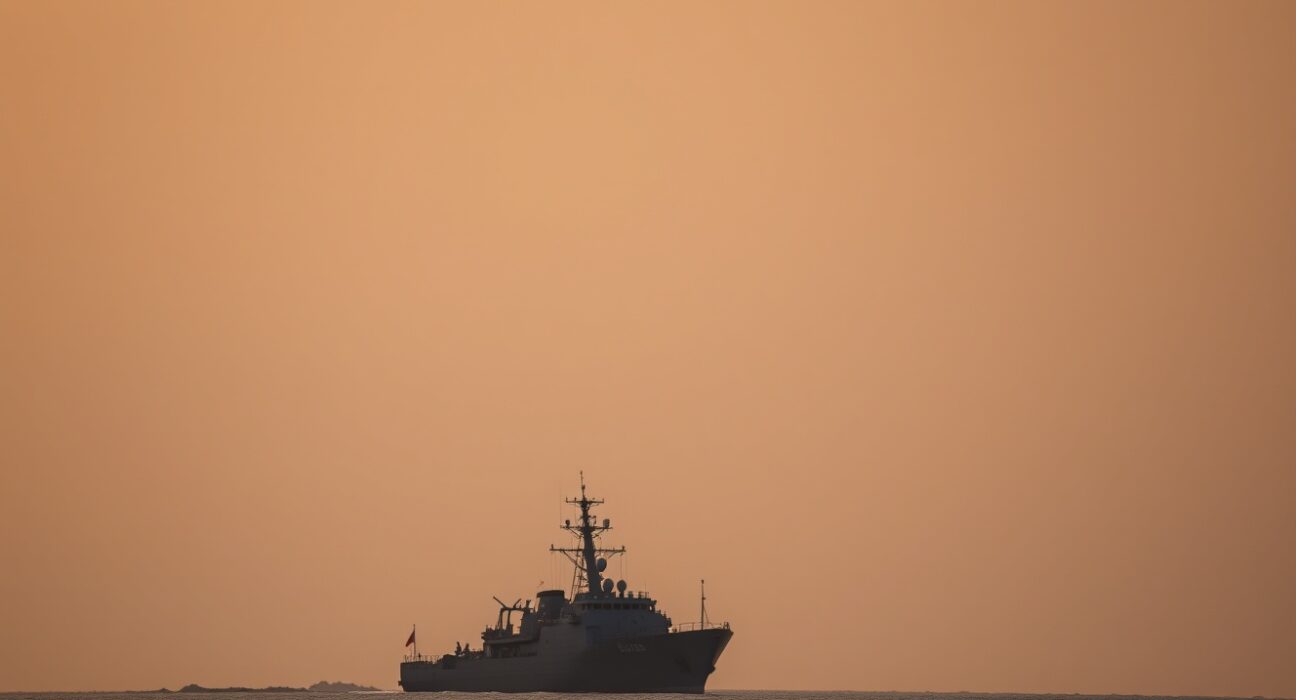
The Houthi movement has declared a naval blockade against Saudi Arabia, a dramatic escalation that threatens to disrupt critical shipping lanes in the Red Sea and further destabilize an already volatile Middle East. The announcement, made by Houthi military officials on March 17, 2025, explicitly targets vessels bound for Saudi ports, citing ongoing hostilities in the Yemen conflict.
Strategic Implications of the Blockade
The declared blockade specifically threatens the Bab el-Mandeb strait, a narrow chokepoint between Yemen and Djibouti through which an estimated 10% of global seaborne oil trade passes. The Houthis have previously demonstrated the ability to strike vessels in this area using anti-ship missiles and drones. This move represents a significant departure from previous Houthi maritime tactics, which were primarily reactive or focused on individual vessel attacks. The blockade declaration signals a more organized and sustained campaign against Saudi maritime commerce.
Regional and Global Impact
The immediate consequence is a sharp increase in maritime insurance premiums for vessels transiting the Red Sea. Several shipping lines have already announced temporary rerouting around the Cape of Good Hope, adding weeks to transit times and increasing fuel costs. For Saudi Arabia, the blockade threatens its Red Sea ports, including the vital King Abdullah Port and Jeddah Islamic Port, which handle a substantial portion of the kingdom’s imports, including food and manufactured goods. The blockade also risks drawing in other regional powers. The Saudi-led coalition, which includes the United Arab Emirates, has vowed to maintain freedom of navigation, raising the specter of direct naval confrontations.
Humanitarian and Economic Consequences
Beyond the immediate geopolitical shock, the blockade carries severe humanitarian implications. Yemen itself relies heavily on food imports through the port of Hodeidah, which is under Houthi control. The blockade declaration could complicate humanitarian aid deliveries to Yemen, potentially worsening what the UN already describes as one of the world’s worst humanitarian crises. For global markets, the disruption adds another layer of uncertainty to supply chains already strained by the war in Ukraine and ongoing tensions in the Taiwan Strait. Oil prices have already seen a modest uptick in early trading, though analysts caution that sustained disruption could push prices significantly higher.
Conclusion
The Houthi declaration of a naval blockade against Saudi Arabia marks a dangerous new phase in the Yemen conflict. While the immediate military feasibility of enforcing such a blockade remains uncertain, the political and economic reverberations are already being felt across the region and beyond. The coming days will be critical in determining whether this escalation leads to a broader maritime confrontation or whether diplomatic channels can de-escalate the situation.
FAQs
Q1: What exactly did the Houthis declare?
The Houthi movement announced a naval blockade targeting all vessels bound for Saudi Arabian ports, specifically in the Red Sea and the Bab el-Mandeb strait, effective immediately.
Q2: How will this affect global oil prices?
While immediate oil price increases have been modest, sustained disruption to Red Sea shipping could push prices significantly higher, as the route carries roughly 10% of global seaborne oil trade.
Q3: Is the Houthi blockade legally recognized?
No. The Houthi movement is not internationally recognized as a sovereign state, and its blockade declaration has no legal standing under international maritime law. However, the group’s demonstrated military capability makes the threat credible.
Disclaimer: The information provided is not trading advice, Bitcoinworld.co.in holds no liability for any investments made based on the information provided on this page. We strongly recommend independent research and/or consultation with a qualified professional before making any investment decisions.
