

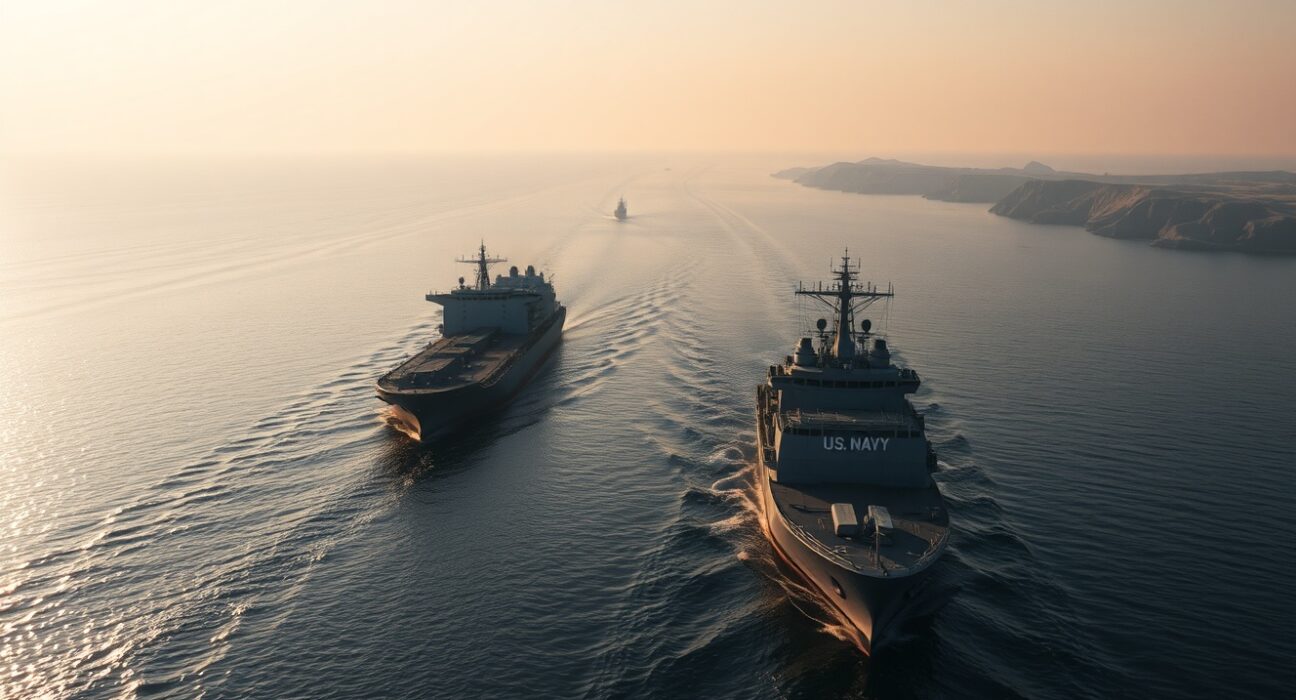
US Secretary of State Marco Rubio issued a stark warning on [date of statement, e.g., March 20, 2025], stating that any attempt by Iran to assert control over the Strait of Hormuz would have repercussions extending far beyond the Middle East, threatening global energy security and international maritime law.
Strategic Waterway at the Center of Tensions
The Strait of Hormuz, a narrow 21-mile-wide channel connecting the Persian Gulf to the Gulf of Oman, is a critical chokepoint for global oil shipments. Approximately 20% of the world’s petroleum passes through these waters daily. Rubio’s comments, delivered during a press briefing at the State Department, underscored the Biden administration’s red line regarding Iranian military expansion in the region. “This is not a regional issue,” Rubio stated. “Control of Hormuz by a hostile actor like Iran would disrupt energy markets, destabilize allied economies, and challenge the fundamental principle of freedom of navigation.” The statement comes amid increased Iranian naval exercises and diplomatic tensions over Tehran’s nuclear program.
Global Economic and Security Implications
The potential for Iranian control of the strait has immediate consequences for oil prices, shipping insurance rates, and supply chain logistics. Analysts estimate that a prolonged disruption could send crude oil prices above $150 per barrel, triggering a global recession. Beyond economics, Rubio highlighted the security dimension: “The United States and our partners will not tolerate any blockade or aggressive posture that threatens international waters. We have the capabilities and the will to respond.” The Pentagon has maintained a continuous naval presence in the region, including aircraft carrier strike groups, to ensure open passage. However, Iran has invested heavily in anti-access/area denial (A2/AD) systems, including fast-attack boats, naval mines, and anti-ship missiles, making any confrontation highly complex.
Impact on Global Alliances and Energy Policy
Rubio’s warning also signals a shift in US diplomatic posture, urging European and Asian allies to diversify energy sources and reduce dependence on Persian Gulf oil. Japan, South Korea, and India—major importers of Middle Eastern crude—have already begun accelerating strategic petroleum reserve releases and exploring alternative supply routes. The International Energy Agency (IEA) has warned that the global energy system remains vulnerable to supply shocks from the region. Rubio’s remarks are expected to be a key topic at the upcoming G7 foreign ministers’ meeting, where coordinated contingency plans are likely to be discussed.
Conclusion
Secretary Rubio’s unequivocal statement reinforces the US commitment to maintaining free passage through the Strait of Hormuz. As tensions persist, the international community faces the dual challenge of deterring Iranian aggression while managing the economic fallout of heightened geopolitical risk. The coming weeks will be critical in determining whether diplomatic channels or military posturing will define the next phase of this high-stakes standoff.
FAQs
Q1: Why is the Strait of Hormuz so important?
It is a vital maritime chokepoint through which about 20% of the world’s oil supply passes daily. Any disruption there directly impacts global oil prices and energy security.
Q2: What did Secretary Rubio specifically say?
He warned that Iranian control of the strait would have repercussions beyond the Middle East, threatening global economic stability and freedom of navigation, and that the US would respond.
Q3: What actions could the US take if Iran threatens the strait?
The US could increase naval patrols, enforce sanctions, coordinate with allies for joint military exercises, or take direct action to clear blockades, though specific military plans are not publicly disclosed.
Disclaimer: The information provided is not trading advice, Bitcoinworld.co.in holds no liability for any investments made based on the information provided on this page. We strongly recommend independent research and/or consultation with a qualified professional before making any investment decisions.
