

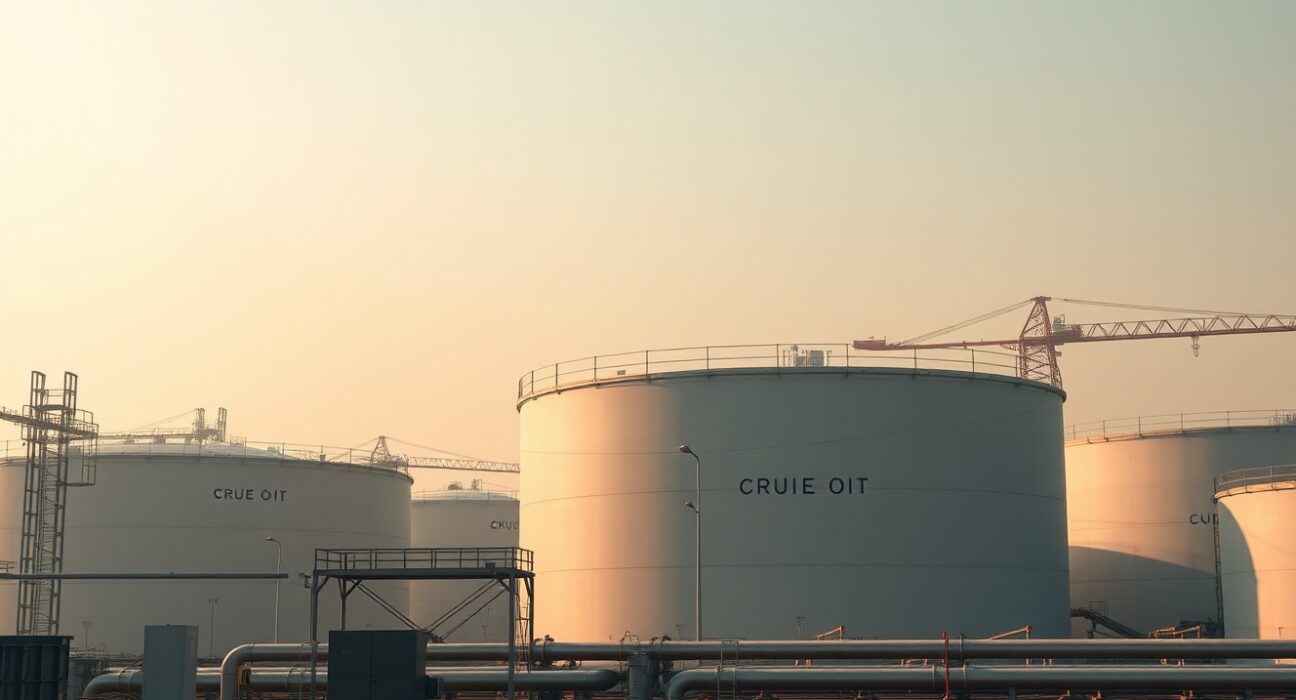
West Texas Intermediate (WTI) crude oil futures climbed above $84.50 per barrel on Monday, driven by intensifying supply risks that threaten major global export hubs. The price increase reflects growing market anxiety over potential disruptions to oil flows from key producing regions, with traders pricing in a higher risk premium.
Supply disruptions and geopolitical tensions
The latest price surge is directly linked to escalating geopolitical tensions that could impede exports from several critical chokepoints. Analysts point to recent developments in the Middle East and Eastern Europe as primary catalysts. The market is particularly focused on the Strait of Hormuz, through which roughly 20% of the world’s oil passes, and the potential for sanctions or conflict to disrupt tanker traffic.
Additionally, ongoing production outages in Libya and maintenance shutdowns in the North Sea have further tightened available supply. The combination of these factors has created a supply-demand imbalance that is pushing prices higher, even as global economic growth concerns linger.
Market reaction and price forecasts
The move above $84.50 marks a significant technical breakout for WTI, which had been trading in a relatively narrow range over the past month. Trading volumes increased sharply on the news, indicating strong conviction behind the move. Some market strategists now see potential for a test of the $87 level if supply disruptions continue to escalate.
However, uncertainty remains high. The market is also watching for any signs of demand destruction from higher prices, as well as potential releases from strategic petroleum reserves by major consuming nations. The International Energy Agency (IEA) has stated it is monitoring the situation closely and stands ready to act if necessary.
Impact on consumers and the broader economy
Rising oil prices have immediate knock-on effects for consumers, particularly at the pump. Higher crude costs typically translate into increased gasoline, diesel, and heating oil prices within a few weeks. For businesses, elevated energy costs can squeeze margins and fuel inflationary pressures, complicating central bank policy decisions.
Transportation, logistics, and manufacturing sectors are among the most exposed. The current price level, if sustained, could slow the pace of disinflation that many economies have experienced in recent months.
Conclusion
WTI crude oil’s rise above $84.50 underscores the market’s acute sensitivity to supply-side risks at a time of already tight global inventories. While the immediate trigger is geopolitical, the underlying fundamentals support the move. Traders and policymakers alike will be closely watching for any de-escalation or, conversely, further disruption that could push prices even higher.
FAQs
Q1: Why did WTI crude oil prices rise above $84.50?
A1: The price increase is primarily due to escalating global supply risks that threaten major oil export hubs, including geopolitical tensions in the Middle East and production disruptions in Libya and the North Sea.
Q2: What are the main supply risks affecting oil markets?
A2: Key risks include potential disruptions to tanker traffic through the Strait of Hormuz, ongoing production outages in Libya, and maintenance-related shutdowns in the North Sea. Sanctions and geopolitical conflicts also contribute to the uncertainty.
Q3: How do rising oil prices affect consumers?
A3: Higher crude oil prices typically lead to increased costs for gasoline, diesel, and heating oil. This can raise transportation and manufacturing expenses, potentially contributing to broader inflationary pressures in the economy.
Disclaimer: The information provided is not trading advice, Bitcoinworld.co.in holds no liability for any investments made based on the information provided on this page. We strongly recommend independent research and/or consultation with a qualified professional before making any investment decisions.
