

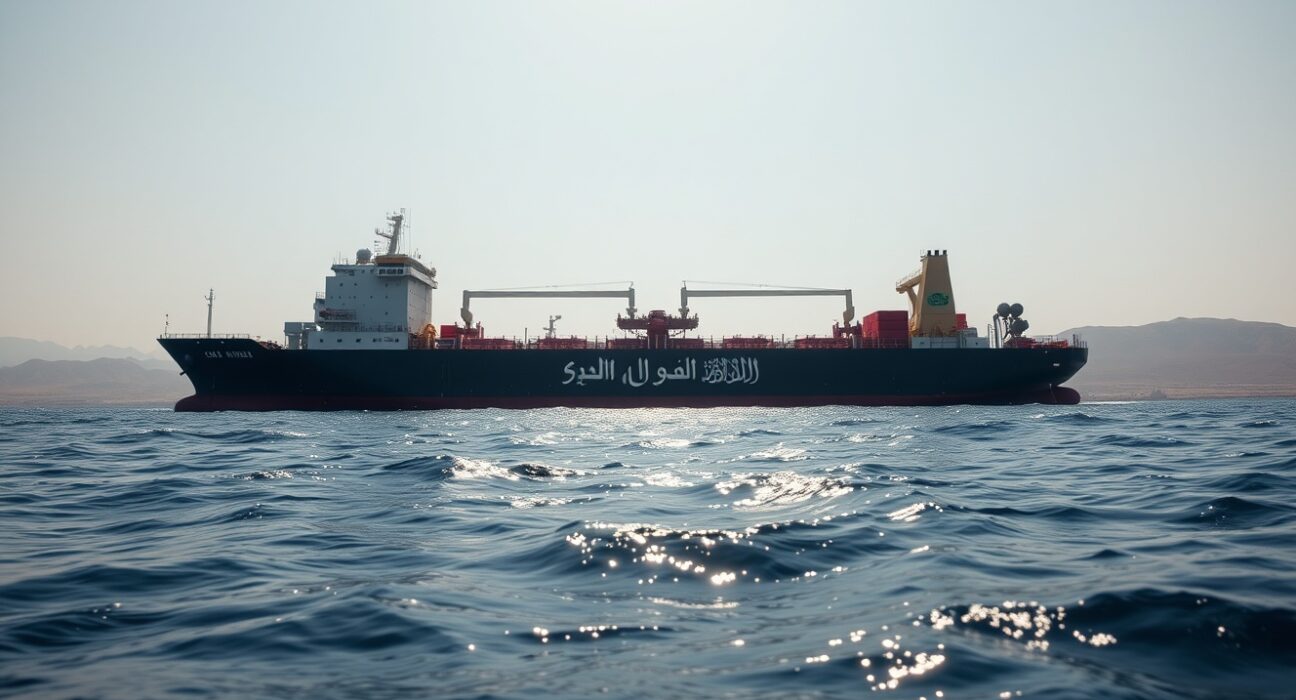
Yemen’s Houthi movement has claimed responsibility for attacks on two Saudi oil tankers in the Red Sea, a development that threatens to escalate maritime tensions in one of the world’s most critical shipping lanes. The Houthi-run Al Masirah TV reported the attacks on [Date of report, e.g., Tuesday], stating that the vessels were targeted using naval missiles and drones.
Details of the Alleged Attacks
The Houthi military spokesperson, Yahya Sarea, said in a televised statement that the group targeted the two tankers, which he identified as the ‘Maran’ and the ‘Maha,’ both belonging to Saudi Arabia. He claimed the attacks were successful, though no independent verification has been possible due to the ongoing conflict and restricted access to the region. Saudi authorities have not yet officially confirmed or denied the incident. The Houthis have a history of exaggerating or fabricating claims of successful attacks.
Context: The Red Sea as a Strategic Waterway
The Red Sea is a vital artery for global oil shipments, connecting the Mediterranean Sea to the Indian Ocean via the Suez Canal and the Bab el-Mandeb Strait. Any disruption to shipping in this area can have immediate effects on global oil prices and supply chains. The Houthis have repeatedly targeted vessels in the region since the start of the Saudi-led intervention in Yemen in 2015, using mines, anti-ship missiles, and explosive-laden drones. These attacks have occasionally forced rerouting of commercial shipping, leading to increased insurance premiums and transit times.
Impact on Maritime Security and Oil Markets
While the immediate impact on oil prices has been muted, likely due to market skepticism regarding the claim’s veracity, the potential for escalation remains a concern for traders and shipping companies. The Houthi attacks are part of a broader pattern of regional instability. They also serve as a reminder of the ongoing Yemen conflict, which has created a humanitarian crisis and allowed the Houthis to develop a significant arsenal, including long-range drones and missiles capable of reaching deep into Saudi territory. The targeting of oil tankers specifically is a strategic move to disrupt the economic interests of the Saudi-led coalition.
Conclusion
The Houthi claim of attacking two Saudi oil tankers is a serious allegation that, if confirmed, would mark a significant escalation in the Red Sea. However, the lack of independent verification and the group’s history of propaganda require cautious interpretation. The incident underscores the persistent threat to maritime security in the region and the complex dynamics of the Yemen conflict. Readers should await official confirmation from Saudi or international maritime authorities before drawing definitive conclusions about the scale and success of the reported attacks.
FAQs
Q1: Did the Houthis actually hit the Saudi oil tankers?
As of this report, there is no independent verification. The Houthis have claimed success, but Saudi authorities have not confirmed the attack. The claims should be treated with caution.
Q2: Why are Houthi attacks on oil tankers significant?
The Red Sea is a crucial shipping route for global oil supplies. Attacks on tankers can disrupt supply chains, increase insurance costs, and potentially influence global oil prices.
Q3: What is the background of the Houthi-Saudi conflict?
The Houthis, a Yemeni rebel group, have been fighting a Saudi-led military coalition since 2015. The conflict is rooted in Yemen’s civil war and has led to widespread destruction and a humanitarian crisis.
Disclaimer: The information provided is not trading advice, Bitcoinworld.co.in holds no liability for any investments made based on the information provided on this page. We strongly recommend independent research and/or consultation with a qualified professional before making any investment decisions.
