

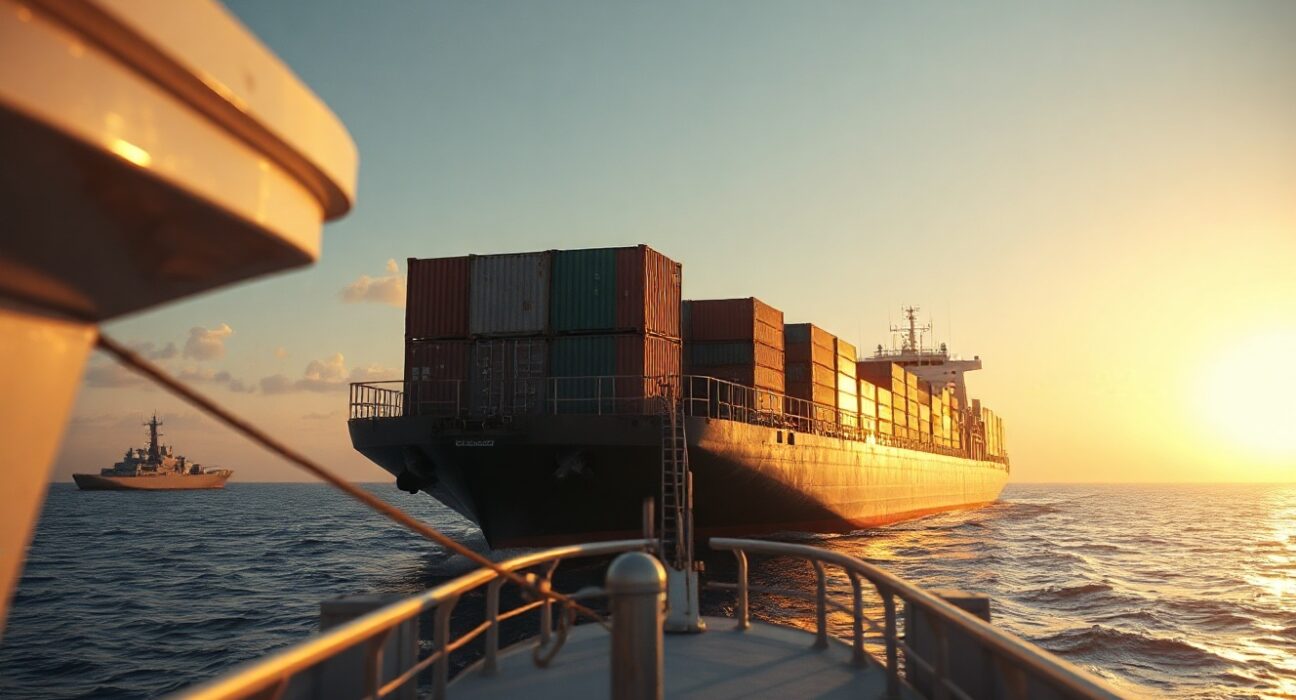
In a striking departure from conventional diplomatic language, Iranian officials have characterized recent attacks on commercial shipping in the Red Sea as a form of ‘customer service’ for regional allies, a framing that has drawn sharp condemnation from Washington and triggered a new wave of US military strikes against Houthi positions in Yemen.
The rhetoric, delivered through state-aligned media channels, suggests Tehran is seeking to rebrand its support for the Yemeni Houthi movement’s maritime campaign as a legitimate, if aggressive, form of geopolitical leverage. The attacks, which have targeted vessels with suspected Israeli or Western links, have severely disrupted one of the world’s most critical trade arteries, forcing major shipping lines to reroute around the Cape of Good Hope.
Escalation in the Red Sea Corridor
The situation escalated sharply after a series of drone and missile attacks on commercial vessels in late 2024 and early 2025. The Houthis, who control large parts of Yemen, have claimed the attacks are in solidarity with Palestinians in Gaza. However, the targeting has broadened to include ships with no clear Israeli connection, raising alarms in global trade and energy markets.
The United States, leading a multinational maritime coalition under Operation Prosperity Guardian, has responded with precision strikes against Houthi missile launch sites, radar installations, and drone storage facilities in Yemen. US Central Command has confirmed multiple strikes aimed at degrading the Houthis’ ability to threaten international shipping.
Tehran’s Unconventional Framing
The Iranian ‘customer service’ characterization appears to be an attempt to normalize the attacks as a transactional service for allies, rather than acts of maritime piracy or state-sponsored terrorism. Analysts suggest this rhetorical strategy is designed to project strength and control within Iran’s axis of resistance, while simultaneously testing the limits of US and international response.
This framing has been met with skepticism and derision in Washington. State Department officials have called it a ‘cynical distortion of reality’ and reiterated that the attacks constitute a direct threat to international law and freedom of navigation. The US has also imposed new sanctions on entities involved in facilitating the Houthi weapons supply chain.
Impact on Global Trade and Energy
The disruption to Red Sea shipping has immediate and tangible consequences for the global economy. Major shipping companies, including Maersk and Hapag-Lloyd, have suspended transit through the Bab el-Mandeb strait, adding significant time and cost to journeys between Asia and Europe.
Key implications for readers include:
- Higher consumer prices: Rerouting increases fuel costs and transit times, which are ultimately passed on to consumers.
- Energy market volatility: The Red Sea is a vital route for oil and LNG tankers. Continued disruption could impact global energy prices.
- Supply chain delays: Manufacturers and retailers face delays in receiving goods, potentially affecting inventory ahead of peak seasons.
The situation remains fluid. Diplomatic efforts, including UN-mediated talks, have yet to produce a de-escalation. The US has made clear it will continue to take self-defense measures, while Iran and the Houthis signal no intention to stand down.
Conclusion
The Red Sea shipping crisis represents a significant test of international maritime security and the rules-based order. Iran’s attempt to frame attacks on civilian shipping as ‘customer service’ is unlikely to gain traction outside its immediate sphere of influence, but it underscores the deeply entrenched geopolitical fault lines driving the conflict. For the global economy, the cost of instability in this critical waterway continues to mount, with no clear resolution in sight.
FAQs
Q1: Why are the Houthis attacking ships in the Red Sea?
The Houthis say they are targeting vessels linked to Israel in solidarity with Palestinians in Gaza. However, the scope of attacks has expanded to include ships with broader Western connections.
Q2: How is the US responding to the Red Sea attacks?
The US has launched multiple precision strikes against Houthi military infrastructure in Yemen and is leading a multinational naval coalition to protect commercial shipping.
Q3: How does this affect global supply chains?
Major shipping lines are avoiding the Red Sea, rerouting around Africa. This adds roughly 10 days to transit times and increases costs, which can lead to higher prices for goods and potential delays.
Disclaimer: The information provided is not trading advice, Bitcoinworld.co.in holds no liability for any investments made based on the information provided on this page. We strongly recommend independent research and/or consultation with a qualified professional before making any investment decisions.
