

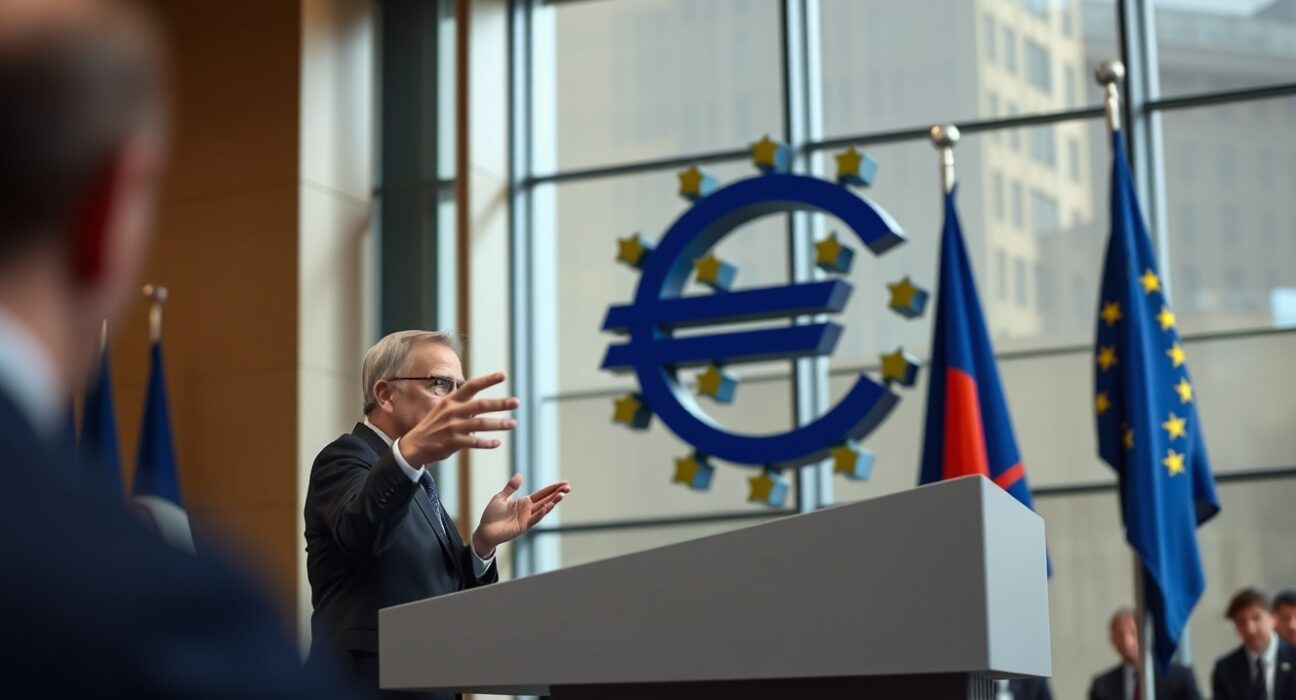
European Central Bank (ECB) board member Žigman has reiterated the central bank’s firm commitment to maintaining inflation stable around the 2% target, signaling a continued cautious approach to monetary policy in the face of persistent economic headwinds across the eurozone.
ECB’s Stance on Inflation Control
Speaking at a recent economic forum, Žigman emphasized that the ECB’s primary objective remains price stability. The 2% inflation target, he noted, serves as the anchor for all monetary policy decisions, guiding interest rate adjustments and asset purchase programs. The remarks come as eurozone inflation data shows a gradual decline from peak levels but remains above the target in several member states.
Monetary Policy Implications
Žigman’s comments provide insight into the ECB’s likely trajectory for future rate decisions. Analysts interpret the statement as a signal that the central bank will maintain a restrictive policy stance until inflation is sustainably at 2%. The ECB has raised rates aggressively over the past year to combat high inflation, and Žigman’s reaffirmation suggests no immediate pivot to easing.
Impact on Markets and Consumers
For financial markets, the commitment to 2% inflation reinforces expectations of higher-for-longer interest rates, affecting bond yields and euro exchange rates. Consumers across the eurozone, particularly in Germany and France, continue to face elevated costs for goods and services, though the pace of price increases has moderated. The ECB’s stance aims to prevent inflation from becoming entrenched, protecting long-term purchasing power.
Conclusion
Žigman’s reaffirmation of the 2% inflation target underscores the ECB’s determination to see its policy through, even as economic growth slows. The central bank’s credibility hinges on delivering price stability, and this latest statement reinforces that commitment to both markets and the public.
FAQs
Q1: What did ECB’s Žigman say about inflation?
He stated the central bank is committed to ensuring inflation remains stable around the 2% target, reiterating the ECB’s primary mandate for price stability.
Q2: Why is the 2% inflation target important?
The 2% target provides a clear benchmark for monetary policy, helping anchor expectations for businesses, investors, and consumers. It supports sustainable economic growth and prevents deflation risks.
Q3: How might this affect ECB interest rate decisions?
Žigman’s comments suggest the ECB will maintain a restrictive policy stance until inflation is sustainably at 2%, meaning rates may stay elevated longer than some market participants anticipate.
Disclaimer: The information provided is not trading advice, Bitcoinworld.co.in holds no liability for any investments made based on the information provided on this page. We strongly recommend independent research and/or consultation with a qualified professional before making any investment decisions.
