

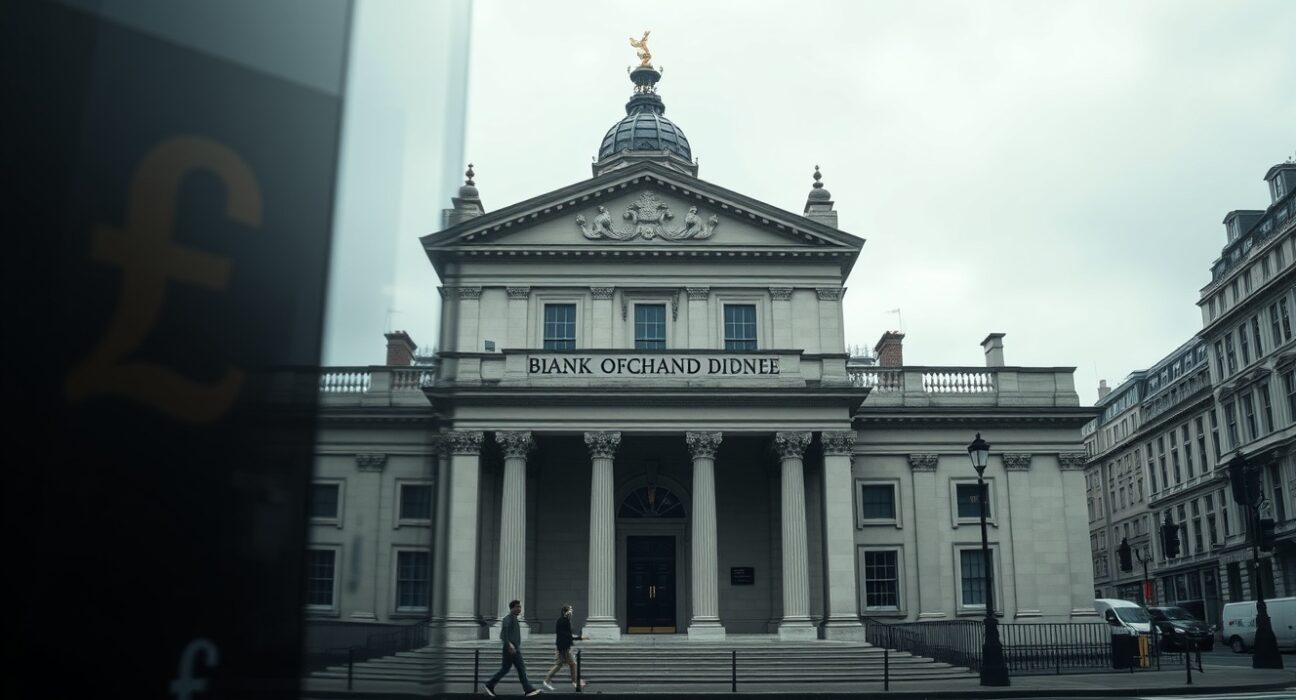
The Bank of England is widely expected to maintain its current interest rate at the upcoming meeting, according to analysts at United Overseas Bank (UOB), as lingering economic risks continue to cloud the outlook for the British pound.
UOB Analysis Points to Cautious BoE Stance
In a recent research note, UOB economists stated that the BoE is likely to keep rates unchanged, citing persistent inflationary pressures and an uncertain growth trajectory for the UK economy. The decision, anticipated by markets, reflects the central bank’s balancing act between curbing inflation and supporting economic activity. As of the latest data, UK inflation remains above the BoE’s 2% target, though it has moderated from recent peaks.
Implications for the British Pound
The pound has traded in a relatively narrow range against major currencies as traders price in the likelihood of a rate hold. UOB analysts suggest that the currency’s near-term direction will hinge on the tone of the BoE’s accompanying statement, particularly any forward guidance on future rate moves. A dovish tone could weigh on sterling, while a more hawkish stance might provide temporary support.
Market Context and Key Risks
Key risks highlighted by UOB include ongoing geopolitical tensions, sluggish consumer spending, and the potential for further supply chain disruptions. These factors contribute to a cautious outlook for the UK economy, reinforcing the case for the BoE to adopt a wait-and-see approach. The market currently assigns a high probability to the rate hold, but attention will be on any shifts in voting patterns among Monetary Policy Committee members.
Conclusion
UOB’s analysis underscores the BoE’s cautious posture amid a complex economic landscape. For GBP traders, the focus remains on the central bank’s communication and its assessment of future risks. The rate decision, scheduled for the upcoming meeting, is expected to be a key near-term driver for the pound.
FAQs
Q1: Why is the Bank of England expected to hold interest rates?
The BoE is expected to hold rates due to persistent inflation and economic uncertainty, balancing the need to control price growth with supporting the economy.
Q2: How could this affect the British pound?
The pound’s movement will depend on the BoE’s forward guidance. A dovish stance could weaken sterling, while a hawkish tone may provide temporary support.
Q3: What are the main risks cited by UOB?
UOB highlights geopolitical tensions, sluggish consumer spending, and supply chain disruptions as key risks to the UK economy and the BoE’s policy outlook.
Disclaimer: The information provided is not trading advice, Bitcoinworld.co.in holds no liability for any investments made based on the information provided on this page. We strongly recommend independent research and/or consultation with a qualified professional before making any investment decisions.
