

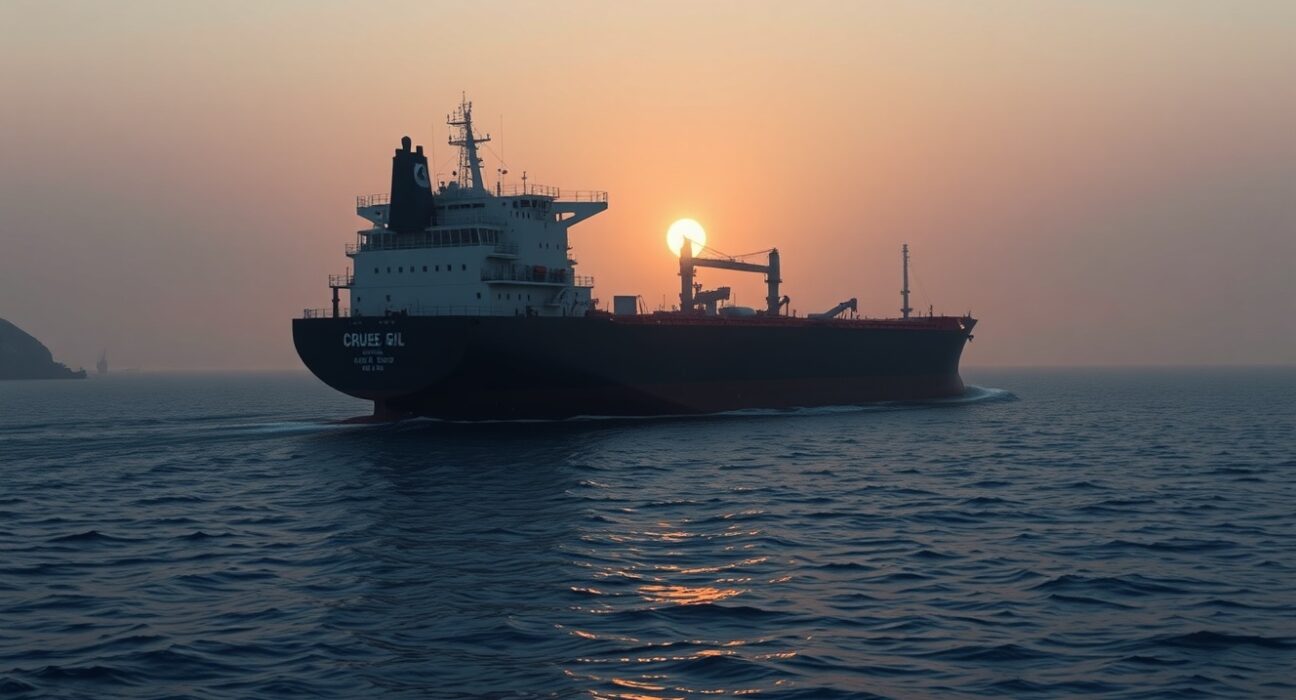
Fears of a disruption to global oil supplies are resurfacing as a series of escalating geopolitical tensions and infrastructure vulnerabilities threaten key transit chokepoints. These developments are reintroducing a risk premium into crude markets, with analysts closely watching routes that handle a significant portion of the world’s daily petroleum consumption.
Key Chokepoints Under Pressure
Several major oil transit routes are currently facing heightened risks. The Strait of Hormuz, through which roughly 20% of the world’s oil passes, remains a persistent flashpoint. Recent incidents involving commercial vessels in the region have renewed concerns about potential blockades or targeted attacks. Similarly, the Bab el-Mandeb strait near Yemen has seen increased maritime security incidents, threatening tanker traffic heading to and from the Suez Canal. The Red Sea corridor itself is experiencing delays and rerouting due to ongoing regional instability, adding days to transit times and increasing freight costs.
Market Implications and Price Dynamics
The accumulation of these supply-side risks is already influencing market sentiment. While physical supply has not yet been significantly curtailed, the market is pricing in a higher probability of future disruption. This ‘risk premium’ can lead to increased price volatility, particularly if any single incident escalates. For importing nations, especially in Asia and Europe, the potential for supply bottlenecks underscores a persistent vulnerability in energy security. The situation also complicates the outlook for OPEC+ production decisions, as the group balances its own output strategy against these external risk factors.
Impact on Global Energy Security
For consumers and businesses, the return of these supply fears translates into a more uncertain outlook for fuel costs. Even without a physical disruption, the perception of risk can keep prices elevated. This is particularly challenging for economies still grappling with inflationary pressures. The broader implication is a renewed focus on diversifying energy sources and securing alternative supply routes, a strategic priority for many governments.
Conclusion
The convergence of risks along critical oil export routes represents a significant development for global energy markets. While the situation remains fluid, the potential for a supply disruption is higher than it has been in recent months. Market participants and policymakers will be closely monitoring these chokepoints for any signs of escalation, as the consequences of a major blockage would be felt worldwide.
FAQs
Q1: What are the main oil chokepoints currently at risk?
The most critical are the Strait of Hormuz (Persian Gulf), the Bab el-Mandeb strait (connecting the Red Sea to the Gulf of Aden), and the Suez Canal/Sumed Pipeline system. Disruption at any of these can significantly impact global oil flows.
Q2: How do these supply fears affect oil prices?
They introduce a ‘risk premium’ into the market. This means prices can rise due to the increased probability of a future disruption, even if current physical supply remains adequate. This can lead to higher volatility and upward pressure on crude and fuel costs.
Q3: What can importing countries do to mitigate these risks?
Strategies include increasing strategic petroleum reserves, diversifying supply sources (e.g., from different exporting nations), investing in alternative energy, and securing alternative transit routes or pipeline bypasses. Long-term, it accelerates the push for energy independence and transition.
Disclaimer: The information provided is not trading advice, Bitcoinworld.co.in holds no liability for any investments made based on the information provided on this page. We strongly recommend independent research and/or consultation with a qualified professional before making any investment decisions.
