

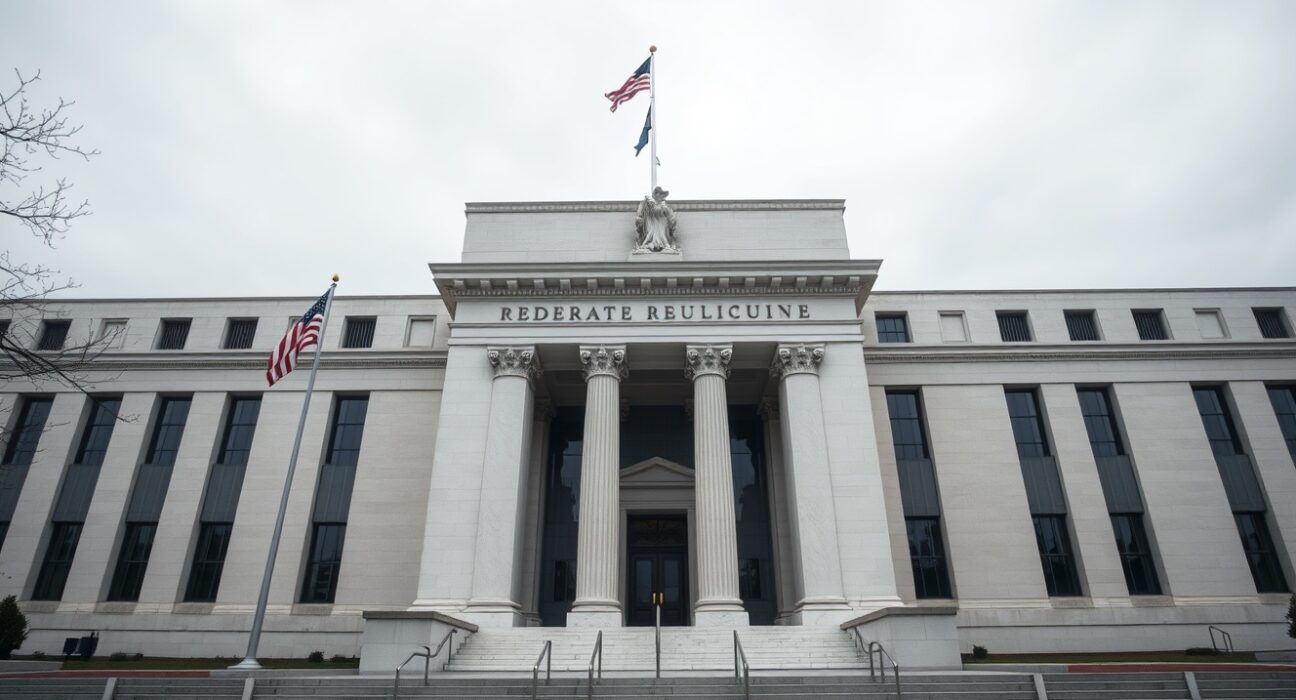
The Federal Reserve has opted to keep interest rates unchanged at its latest meeting, citing conflicting economic data that leaves the path forward uncertain, according to an analysis from DBS Bank. The decision, widely anticipated by markets, reflects the central bank’s cautious stance as it weighs persistent inflation pressures against signs of a cooling labor market.
Why the Fed is Holding Steady
DBS analysts point to a split in recent economic indicators as the primary reason for the Fed’s inaction. On one hand, core inflation remains above the central bank’s 2% target, driven by sticky services costs and housing. On the other, job growth has slowed, and consumer spending shows signs of moderation. This divergence creates a dilemma: raising rates further could stifle an already softening economy, while cutting prematurely might reignite inflation. As of the latest meeting, the federal funds rate remains at 5.25%–5.50%, a level held since July 2023.
Market Implications and Investor Sentiment
Financial markets have reacted with a mix of relief and caution. Equity indices edged higher following the announcement, as traders interpreted the hold as a sign that the Fed sees no immediate need for tighter policy. However, bond yields remained elevated, reflecting persistent uncertainty about when—or if—rate cuts will materialize this year. DBS notes that the Fed’s dot plot projections, which signal only one or two cuts in 2025, suggest a longer-than-expected period of restrictive policy. For investors, this means continued volatility in rate-sensitive sectors such as real estate and regional banking.
What This Means for Borrowers and Savers
For consumers, the hold means mortgage rates and credit card APRs will stay elevated in the near term. Savers, however, continue to benefit from high-yield savings accounts and certificates of deposit, which have remained attractive. DBS advises that households should budget for sustained borrowing costs through at least the first half of 2025, as the Fed shows no urgency to ease.
Conclusion
The Federal Reserve’s decision to hold rates steady underscores the complexity of the current economic landscape. With inflation stubborn and growth softening, the central bank is navigating a narrow path. DBS’s analysis highlights that until clearer trends emerge—either a decisive drop in inflation or a sharper slowdown in employment—the Fed is likely to remain on pause. For now, the message is clear: patience, not action, defines the moment.
FAQs
Q1: Why did the Federal Reserve decide to keep rates unchanged?
The Fed held rates due to mixed economic signals: inflation remains above target, but the labor market is cooling. This uncertainty makes it difficult to justify either a rate hike or a cut.
Q2: What does DBS’s analysis say about future rate cuts?
DBS notes that the Fed’s projections indicate only one or two potential cuts in 2025, suggesting a longer period of restrictive policy than many investors had hoped for.
Q3: How does this decision affect everyday consumers?
Borrowing costs, including mortgage rates and credit card interest, are likely to stay high for now. Savers may continue to earn higher returns on deposits as rates remain elevated.
Disclaimer: The information provided is not trading advice, Bitcoinworld.co.in holds no liability for any investments made based on the information provided on this page. We strongly recommend independent research and/or consultation with a qualified professional before making any investment decisions.
