

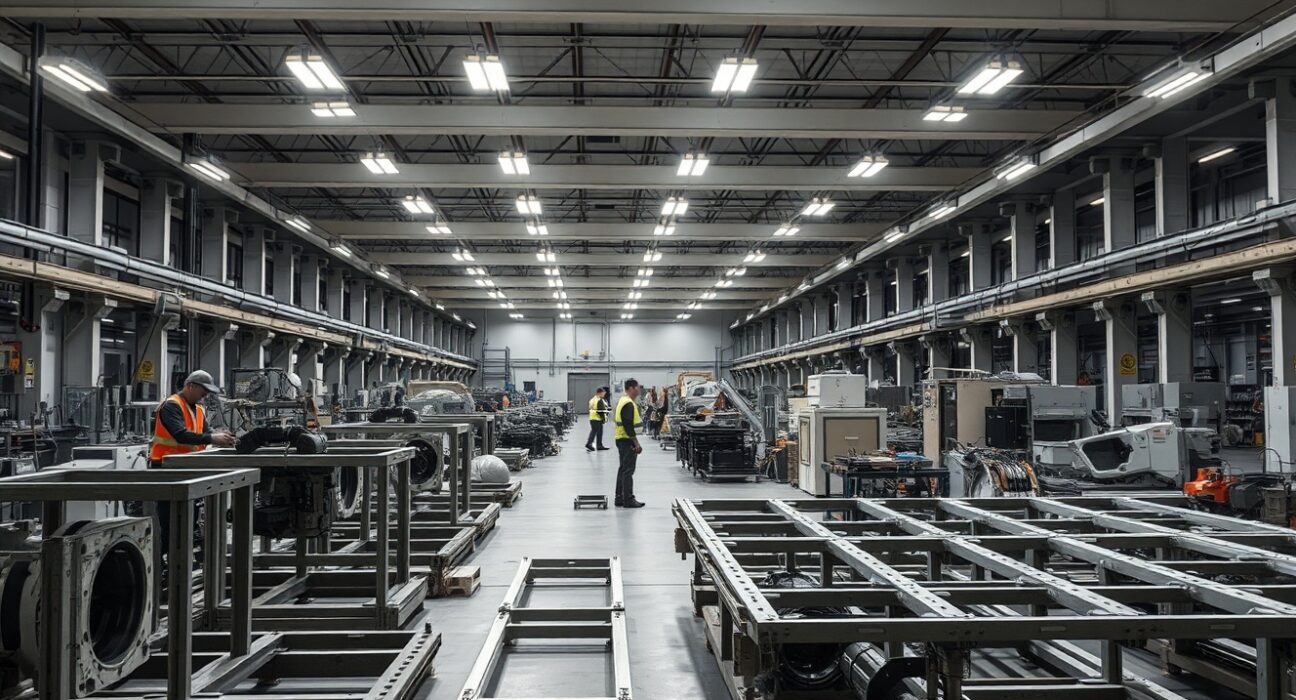
New orders for long-lasting manufactured goods in the United States rose 0.3% in June, according to data released by the Commerce Department, falling well short of the 1.6% increase economists had forecast. The miss signals that demand in the manufacturing sector remains under pressure from high interest rates and slowing consumer spending.
June Data Falls Short of Expectations
The headline figure for durable goods orders — items designed to last three years or more, such as machinery, computers, and transportation equipment — came in at a seasonally adjusted 0.3% gain for June. This is a sharp deceleration from the revised 0.8% increase recorded in May. The core reading, which strips out volatile transportation orders, rose 0.1%, also below the 0.3% consensus estimate.
The transportation sector, a major component of the report, showed particular weakness. Orders for motor vehicles and parts declined, while commercial aircraft orders, which can swing sharply month to month, also contributed to the downside miss. Defense-related capital goods orders, another volatile category, fell sharply.
Implications for the Manufacturing Sector and Fed Policy
The weaker-than-expected report adds to evidence that the manufacturing sector is cooling after a period of modest expansion. High borrowing costs, driven by the Federal Reserve’s aggressive interest rate hikes over the past two years, have made it more expensive for businesses to finance new equipment and machinery. Business investment has been a key area of concern for economists watching for signs of a broader economic slowdown.
The data also carries implications for the Federal Reserve’s monetary policy trajectory. A softening manufacturing sector could support the case for the Fed to begin cutting interest rates later this year. However, the central bank has signaled it needs more evidence that inflation is sustainably moving toward its 2% target before easing policy. The durable goods report is one of several data points the Fed will weigh at its next meeting.
What the Miss Means for Investors and Consumers
For investors, the durable goods miss is a cautionary signal about the health of corporate spending. It suggests that businesses are becoming more cautious about long-term investments, which can have a cascading effect on employment and industrial production. For consumers, the slowdown may eventually translate into fewer job openings in manufacturing-heavy regions and potentially lower prices for some durable goods as demand softens.
The report also highlights the uneven nature of the economic recovery. While the services sector has remained relatively resilient, the goods-producing side of the economy continues to struggle with higher input costs and weaker global demand. Exports of capital goods have also faced headwinds from a strong U.S. dollar.
Conclusion
June’s durable goods orders report confirms that the manufacturing sector is experiencing a clear slowdown. The 0.3% gain, far below the 1.6% forecast, underscores the impact of sustained high interest rates on business investment. The data will likely reinforce the Federal Reserve’s cautious stance as it evaluates whether the economy is cooling enough to warrant rate cuts. For now, the manufacturing outlook remains subdued, with the next monthly report expected to provide further clarity on the trend.
FAQs
Q1: What are durable goods orders?
Durable goods orders are new orders placed with manufacturers for items designed to last three years or more, such as machinery, vehicles, and computers. The monthly report is a key indicator of manufacturing and business investment health.
Q2: Why did the June report miss expectations?
The 0.3% gain was well below the 1.6% forecast primarily due to weakness in the transportation sector, including declines in motor vehicle and aircraft orders, as well as a sharp drop in defense-related capital goods.
Q3: How does this report affect interest rate decisions?
A weaker durable goods report suggests the economy is cooling, which could support the case for the Federal Reserve to cut interest rates. However, the Fed is likely to wait for more data before making any policy changes.
Disclaimer: The information provided is not trading advice, Bitcoinworld.co.in holds no liability for any investments made based on the information provided on this page. We strongly recommend independent research and/or consultation with a qualified professional before making any investment decisions.
