

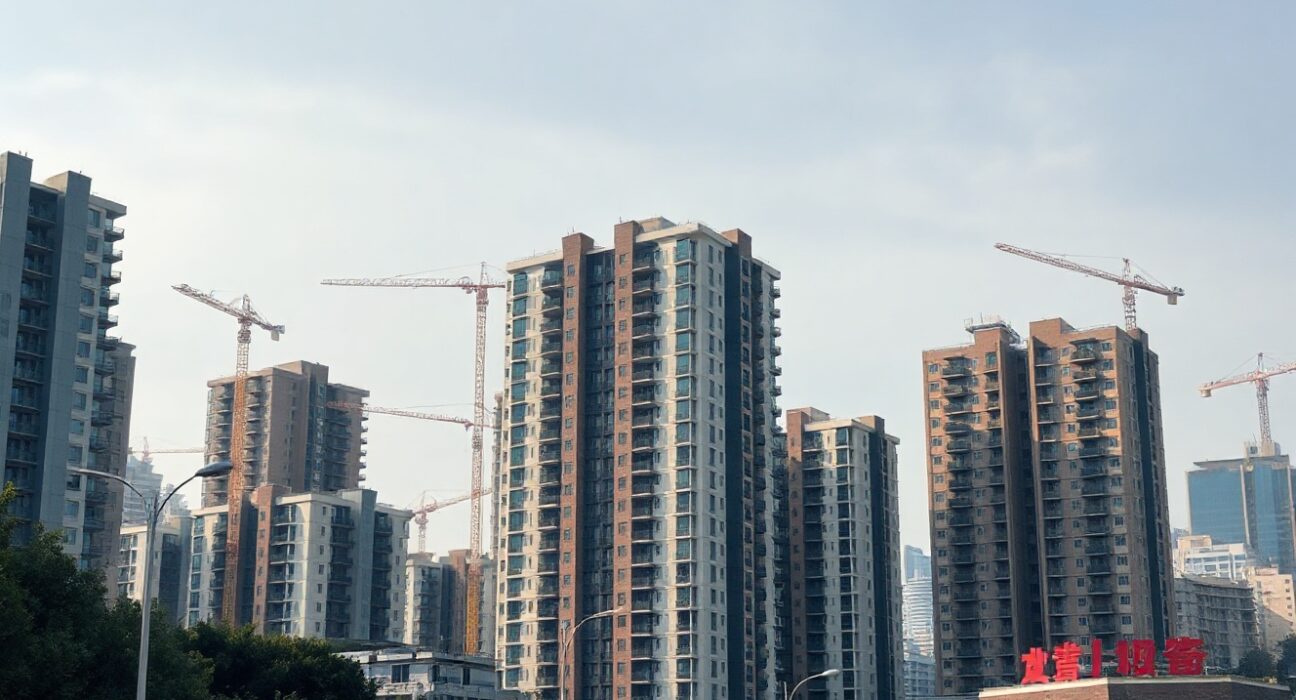
China’s house price index improved to -3.2% in July, up from -3.3% in June, according to the latest data, indicating a slower pace of decline in the property market. The change, though marginal, suggests a tentative stabilization after months of downward pressure, though the sector remains in contraction territory.
What the Data Shows
The index, which tracks residential property prices across major Chinese cities, has been negative for over a year, reflecting a prolonged downturn in the world’s second-largest economy. July’s reading marks the second consecutive month of slight improvement, following June’s -3.3% from May’s -3.4%. While the improvement is modest, it aligns with recent government efforts to support the housing market, including easing purchase restrictions and lowering mortgage rates.
However, the index remains deeply negative, and analysts caution that a single month’s data does not signal a recovery. The property sector, which accounts for a significant share of China’s GDP, has been a drag on economic growth, with developer defaults and unsold inventory weighing on consumer confidence.
Market Context and Implications
The slight uptick in the index comes amid mixed signals from the broader economy. While industrial output and exports have shown resilience, domestic demand remains weak, and the property market’s troubles persist. New home prices in tier-1 cities like Beijing and Shanghai have been relatively stable, but smaller cities continue to face steeper declines.
Government stimulus measures, including the reduction of down payment ratios and support for state-owned enterprises to purchase unsold homes, have yet to fully reverse the trend. The improvement in July could be attributed to a low base effect or seasonal adjustments, rather than a fundamental shift in demand.
Why It Matters
For global investors and policymakers, China’s property market is a key indicator of economic health. A continued slowdown could dampen global growth prospects, while stabilization could signal a turning point. For Chinese households, housing represents the largest asset, and price declines have eroded wealth and spending confidence. The marginal improvement in July offers a glimmer of hope, but sustained recovery depends on broader economic factors, including employment and income growth.
Conclusion
China’s house price index improved to -3.2% in July from -3.3% in June, marking a slight easing in the decline. While this is a positive sign, the property market remains under pressure, and experts urge caution in interpreting the data as a definitive recovery. The coming months will be crucial to see if this trend continues or if the market resumes its downward path.
FAQs
Q1: What is the China house price index?
The China house price index tracks residential property prices across major cities, serving as a key gauge of the real estate market’s health. A negative value indicates a year-on-year price decline.
Q2: Why did the index improve in July?
The improvement from -3.3% to -3.2% may reflect government support measures and a low base effect, but it does not yet indicate a full recovery. Analysts view it as a possible stabilization sign.
Q3: What does this mean for the Chinese economy?
The property sector is a major economic driver, and its prolonged downturn has weighed on growth. A slower decline could ease some pressure, but sustained recovery is needed to boost consumer confidence and investment.
Disclaimer: The information provided is not trading advice, Bitcoinworld.co.in holds no liability for any investments made based on the information provided on this page. We strongly recommend independent research and/or consultation with a qualified professional before making any investment decisions.
