

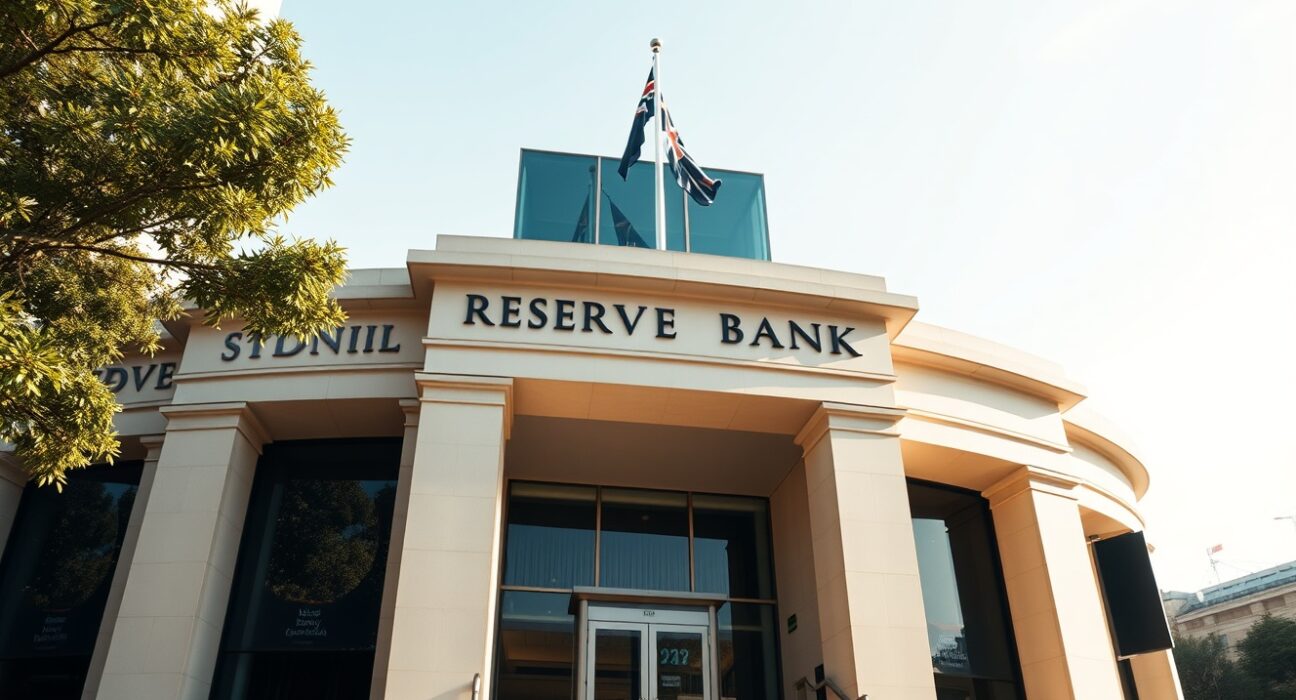
The Australian dollar (AUD) faced renewed selling pressure this week after softer-than-expected inflation data led MUFG analysts to temper expectations for further interest rate hikes by the Reserve Bank of Australia (RBA). The revised outlook signals a potential shift in the central bank’s policy trajectory, directly impacting currency market dynamics.
Inflation Data Weakens Case for Tightening
According to a research note from MUFG, the latest Australian inflation figures came in below market forecasts, reducing the urgency for the RBA to continue its tightening cycle. The data, released earlier this week, showed a moderation in price pressures across key sectors, prompting the bank to reassess its previous hawkish stance. MUFG analysts now see a diminished probability of a rate hike at the RBA’s upcoming meeting, a development that has weighed on the AUD’s valuation against major peers like the US dollar and the euro.
Market Implications for the AUD
The softer inflation print has led to a repricing of interest rate expectations in the Australian bond market. Yields on short-dated government bonds declined as traders reduced bets on further tightening. This shift in monetary policy expectations is a primary driver for the AUD’s recent weakness. Currency strategists at MUFG highlighted that the AUD could remain under pressure in the near term unless upcoming economic data, particularly employment and wage growth figures, surprises to the upside. The Australian dollar is currently trading near key support levels, and a break below could signal further downside momentum.
Why This Matters for Investors and Businesses
For importers and exporters dealing in Australian dollars, the revised rate outlook introduces new considerations for hedging and pricing strategies. A weaker AUD makes Australian exports more competitive globally but increases the cost of imported goods and services. For investors holding AUD-denominated assets, the currency’s performance will be closely tied to the RBA’s next policy moves. The market will now focus on the central bank’s forward guidance and any commentary from Governor Philip Lowe regarding the balance of risks between inflation and economic growth.
Conclusion
The combination of softer inflation data and MUFG’s tempered rate hike expectations has created a cautious environment for the Australian dollar. While the RBA has not ruled out future tightening, the immediate path appears less aggressive than previously anticipated. Currency markets will continue to digest incoming data and central bank communication for clearer directional cues.
FAQs
Q1: What did the latest Australian inflation data show?
The latest figures showed a moderation in price pressures, coming in below market expectations, which reduces the immediate need for the RBA to raise interest rates.
Q2: How does MUFG’s analysis impact the Australian dollar?
MUFG analysts revised their rate hike expectations lower, leading to reduced yield support for the AUD and contributing to its recent depreciation against major currencies.
Q3: What should businesses watch for next?
Businesses should monitor upcoming RBA policy meetings, employment data, and wage growth figures, as these will provide further clues on the central bank’s monetary policy direction and the AUD’s trajectory.
Disclaimer: The information provided is not trading advice, Bitcoinworld.co.in holds no liability for any investments made based on the information provided on this page. We strongly recommend independent research and/or consultation with a qualified professional before making any investment decisions.
