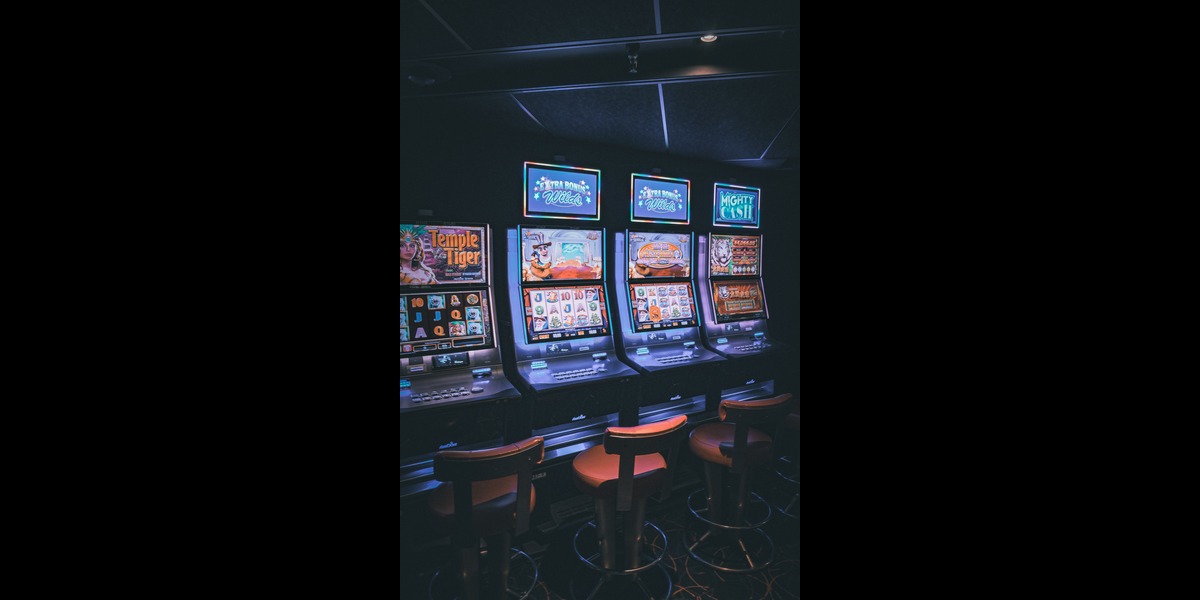
Slot machines have changed considerably since their earliest forms, particularly in how sound and visual design are used to present game outcomes. Both physical machines found in casinos and online versions now rely on carefully developed audiovisual elements to display activity on screen or cabinet displays. Early designs were simple and mechanical, but modern systems use digital tools that can present animations that are coupled with sound cues to complement. These features are not only decorative, but also serve the purpose of communicating to players what is actually occurring during the gameplay.
Over time, the approach to sound and animation has developed alongside technology, allowing for more detailed presentation while remaining within regulatory frameworks that differ between jurisdictions. This article looks at how these elements are applied across both physical and online formats, such as UK slots.
Early Mechanical Machines
Early slot machines were fully mechanical and produced sound naturally during gameplay. The spinning reels created a steady rhythm with the lever and gears inside the case, creating the only sounds from the game. Coins dropping into the trays added another element of sound that was the real emphasis of outcomes. These audio cues were not designed electronically, but they emerged as a result of the machine’s physical build, later becoming closely associated with the main elements of the gameplay.
Shift from Electromechanical and Video Slots
Electromechanical slot machines began to combine electrical parts with the original mechanical systems. This made it possible to add features such as lights and more structured sound effects. Over time, video slots replaced physical reels with digital displays, which allowed animations and audio to be presented in a more consistent way. It also meant that what the player sees is no longer directly tied to mechanical movement, which helped standardise design across regulated machines.
Role of Animation in Modern Physical Slot Machines
Modern physical slot machines now tend to feature built-in screens rather than using the traditional mechanical reels. These displays show animated versions of the spins as well as the outcome, rather than relying on the randomness of a physical spinning reel. The result of the game itself is produced by an animation on the screen, often with some form of sound cue in order to inform the player of the outcome of the spin. The modern animations and ability to change the visuals with ease are also positive for developers, who can now create different themes and genres, allowing for more unique game releases.
Sound Design in Physical Casinos
Sound in physical slot machines is often delivered through internal speakers and can be triggered by specific events during the game. Within a casino, many of the machines operate at the same time, which creates plenty of background noise, combining with the movement and conversation of people, meaning they must have volume controls in order for players to alter it to their preferred noise level. Each game typically has unique audio and sound cues, which allows them to differentiate from other games at the venue.
Transition to Online Slot Games
Online slot games emerged as internet technology made it possible to deliver gaming content through computers and mobile devices. This removed the need for dedicated physical machines and allowed sound and animation to be managed through software. It also gave developers more flexibility to introduce different visual styles and update content when needed. In addition, online systems can adjust how games are displayed across various screen sizes, while still operating within the relevant regulatory requirements.
Animation Techniques in Online Slots
Online slot games use digital animation to show spinning reels and display results. Depending on the design, these visuals may be created using either 2D or 3D graphics. Motion effects help give the impression of movement and smooth transitions between different stages of the game. As everything is software-based, the visuals can be adapted for different themes and screen sizes, while still aiming to run consistently across a range of devices.
Adaptive Event-Based Audio in Online Slot Games
Online slot games use audio that changes depending on what is happening during play. Different sounds are played when actions like a spin starting or ending take place. Some games also layer multiple audio tracks that shift as the game progresses. Compared with physical machines, online versions, such as those replicating retro arcade designs, can support more detailed sound design thanks to digital processing. Even so, the audio still has to meet technical standards to ensure it plays consistently across devices.
In Conclusion
The use of sound and animation in slot machines has changed as general tech has progressed over time, moving from early designs to fully digital systems. When slot games were first introduced, audio cues were produced solely through the physical moving parts within the machine, but today, this differs; both the physical components and sound effects are used, coupled with various visual animations. While this can differ between different games, sound cues have become increasingly important, equally as much as the visuals, in order to inform the player on what is occurring during the game, as well as often complementing the game’s theme.
Disclaimer: The information provided is not trading advice, Bitcoinworld.co.in holds no liability for any investments made based on the information provided on this page. We strongly recommend independent research and/or consultation with a qualified professional before making any investment decisions.