

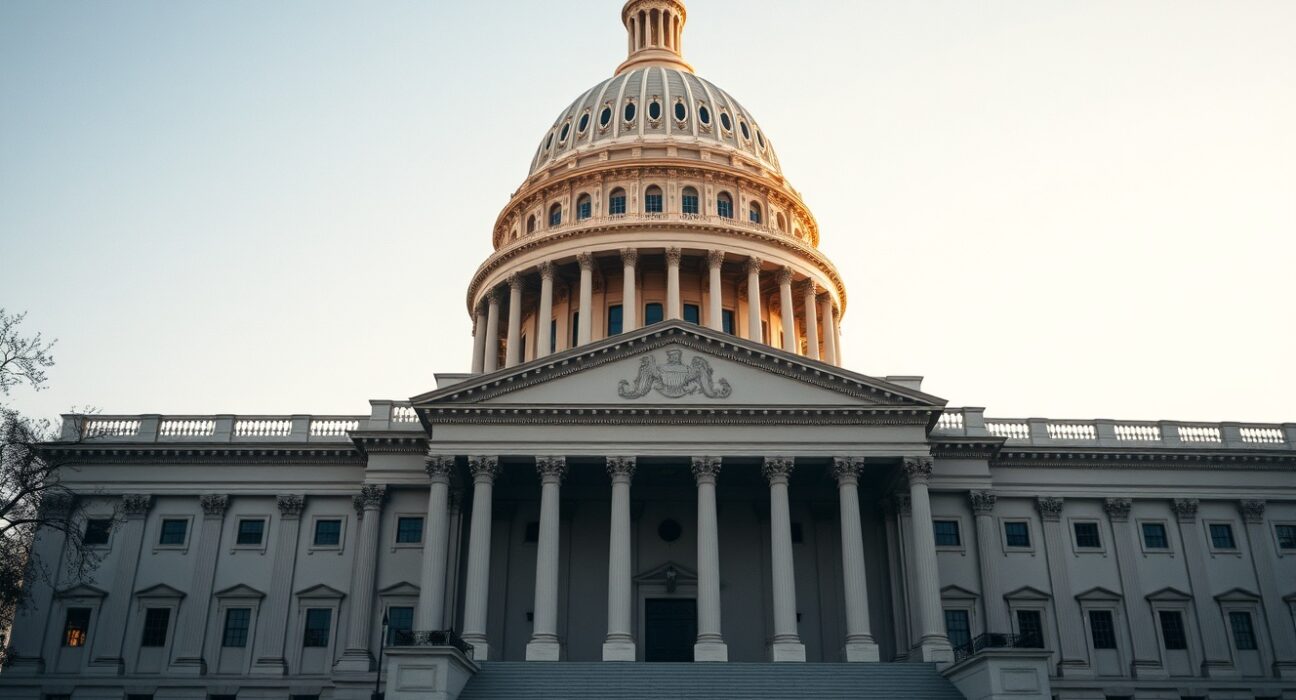
U.S. Senate Republicans and Democrats have reportedly reached a compromise on the ethics provisions of the CLARITY Act, a major piece of cryptocurrency legislation. However, the specific terms of the agreement have not been disclosed, and the proposal has not yet received White House approval, according to a report from CoinDesk citing an anonymous source familiar with the negotiations.
Key Players and Next Steps
The compromise was reportedly brokered by Republican Senator Thom Tillis of North Carolina and Democratic Senator Ruben Gallego of Arizona. The central question now is whether the Senate can initiate cloture proceedings and move to a full vote during the final week before the August recess. Senate Majority Leader John Thune has signaled a willingness to bring the bill to the floor, contingent on Democratic cooperation.
The CLARITY Act, formally known as the Crypto Leadership and Innovation for Tomorrow Act, aims to establish a comprehensive federal regulatory framework for digital assets. The bill has been a priority for the crypto industry, which has long sought clearer rules of the road.
Remaining Obstacles
Despite the reported progress on ethics provisions, several major sticking points remain. Disagreements over the regulation of decentralized finance (DeFi) and the treatment of stablecoins continue to divide lawmakers. Furthermore, it remains unclear whether the bill can secure the 60 votes needed to overcome a potential filibuster in the evenly divided Senate.
Why This Matters
The fate of the CLARITY Act is being closely watched by the cryptocurrency industry, investors, and regulators. A successful passage would represent a significant milestone in U.S. crypto policy, providing much-needed legal clarity for businesses and consumers. Conversely, a failure to advance the bill before the recess would delay consideration until September, leaving the industry in a state of regulatory uncertainty for another month.
If no deal is reached before the break, the bill’s consideration is expected to slip to the fall, potentially complicating its path to enactment as the congressional calendar becomes more crowded with other legislative priorities, including government funding and defense authorization.
Conclusion
The reported compromise on ethics provisions is a positive step for the CLARITY Act, but significant hurdles remain. The next week will be critical in determining whether the Senate can overcome partisan divisions on DeFi and stablecoins to pass the landmark crypto legislation. Readers should watch for updates on cloture motions and floor votes as the August recess deadline approaches.
FAQs
Q1: What is the CLARITY Act?
The CLARITY Act (Crypto Leadership and Innovation for Tomorrow Act) is a proposed U.S. law designed to create a comprehensive federal regulatory framework for digital assets, including cryptocurrencies and stablecoins.
Q2: Why is the ethics compromise significant?
The compromise on ethics provisions removes one barrier to the bill’s progress, but the details remain undisclosed. It signals that negotiations are advancing, but does not guarantee final passage.
Q3: What happens if the bill doesn’t pass before the August recess?
If the Senate cannot hold a vote before the recess, consideration of the CLARITY Act will likely be delayed until September, when the legislative calendar becomes more competitive.
Disclaimer: The information provided is not trading advice, Bitcoinworld.co.in holds no liability for any investments made based on the information provided on this page. We strongly recommend independent research and/or consultation with a qualified professional before making any investment decisions.
