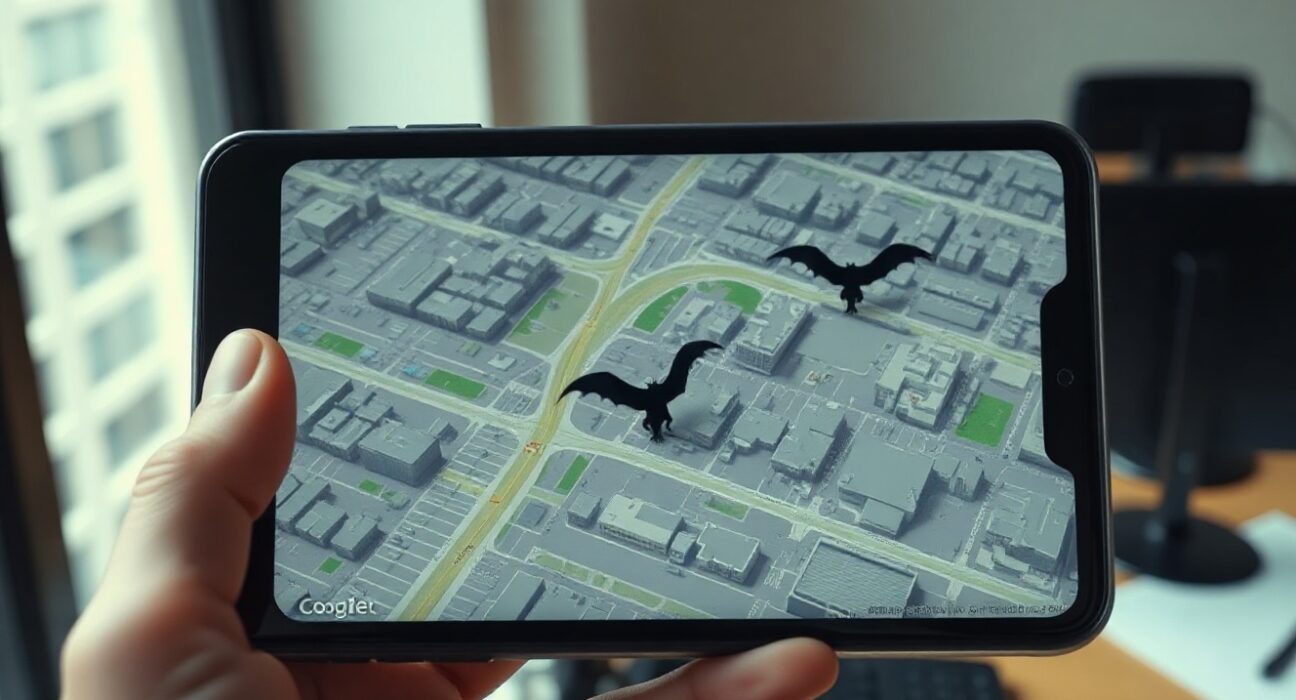
Google has removed its AI image generation feature from Google Earth just one day after launch, following widespread criticism that the tool could be easily abused to spread misinformation. The feature, introduced on Thursday, allowed users to use Nano Banana 2, Google’s AI image generator, to superimpose fabricated images onto real satellite imagery within the mapping app. By Friday, the company confirmed it had rolled back the feature, citing policy violations from users sharing generated imagery.
Why did Google pull the feature?
Google stated that while geospatial professionals found useful applications for the tool, the company observed users sharing screenshots of generated imagery that violated its policies. The company said in a statement, “We’ve seen geospatial professionals using this feature for a range of useful purposes, however we’ve also seen people sharing screenshots of generated imagery that appear to violate our policies. We’re rolling back this feature in Google Earth while we work on implementing stronger guardrails.” The rapid reversal underscores the tension between innovation and the potential for misuse, especially on a platform long considered a reliable source of visual evidence.
Criticism from journalists and researchers
The feature drew immediate backlash from journalists and researchers who rely on Google Earth for verification. A BBC journalist posted sarcastically on Thursday, “There’s no way that this new AI image generation feature on Google Earth, one of the most reliable sources of visual evidence for journalists and researchers, could possibly be abused to spread misinformation online.” The concern is that even semi-credible fake imagery can be produced quickly and convincingly, blurring the line between real and fabricated geospatial content.
Broader implications for AI-generated imagery
While Google’s decision is a direct response to the feature’s risks, it also highlights a larger issue: in the age of AI, virtually any image on the web can be manipulated. Creating disinformation no longer requires advanced Photoshop skills; anyone with access to an AI image generator—many of which are commercially available—can produce convincing fakes. This raises questions about the future of visual trust online, not just on Google Earth but across all platforms.
What this means for users and the industry
For everyday users, the removal of this feature means a temporary loss of a creative tool, but it also signals that Google is taking steps to prevent potential harm. For the broader tech industry, this incident serves as a case study in the challenges of deploying generative AI in sensitive contexts. As AI image generators become more powerful, companies will need to balance creative potential with robust safeguards to prevent misuse.
Conclusion
Google’s swift action to pull the AI feature from Google Earth demonstrates a recognition of the serious risks posed by unconstrained AI-generated imagery. While the tool had legitimate uses, the potential for spreading misinformation outweighed its benefits in its current form. The company is now working on stronger guardrails, and it remains to be seen how it will reintroduce such features in the future. For now, the episode serves as a reminder of the growing challenge of maintaining trust in visual information.
FAQs
Q1: What was the Google Earth AI feature?
The feature, launched on July 30, 2026, allowed users to use Nano Banana 2, Google’s AI image generator, to create and superimpose fabricated images onto real satellite imagery in Google Earth. It was designed for creative purposes but was quickly criticized for its potential to spread misinformation.
Q2: Why did Google remove the feature?
Google removed the feature after observing users sharing screenshots of generated imagery that violated its policies. The company cited the need to implement stronger guardrails before re-releasing it.
Q3: Could the feature have been used to spread misinformation?
Yes, critics pointed out that the tool could be used to create convincing fake images over real maps, which could be shared online to mislead people. This risk was highlighted by journalists and researchers who rely on Google Earth as a reliable source of visual evidence.
Disclaimer: The information provided is not trading advice, Bitcoinworld.co.in holds no liability for any investments made based on the information provided on this page. We strongly recommend independent research and/or consultation with a qualified professional before making any investment decisions.