

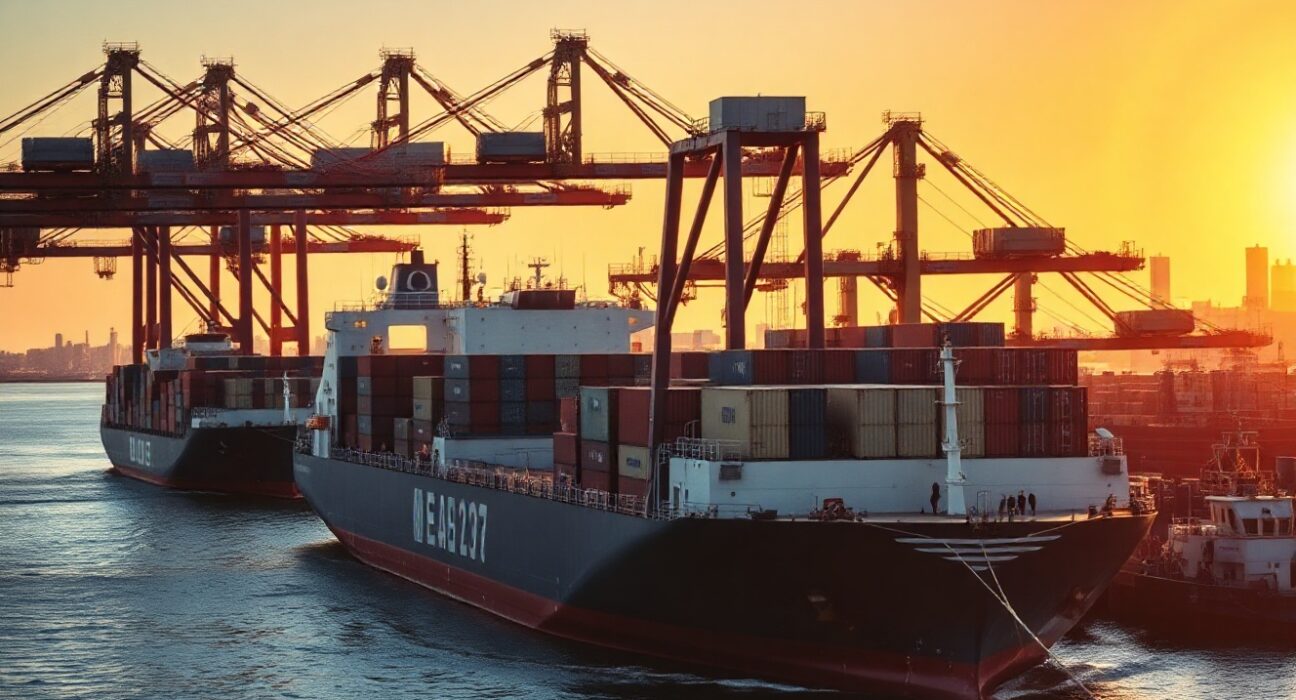
South Africa’s trade balance swung to a surplus of R17.75 billion in June, a sharp reversal from the R1.79 billion deficit recorded in May, according to data released by the South African Revenue Service (SARS). The improvement reflects a stronger increase in exports compared to imports during the month.
What drove the June trade surplus?
Exports rose to R179.72 billion in June, up from R165.05 billion in May, while imports increased to R161.97 billion from R166.84 billion. The surplus was primarily driven by a rebound in exports of mineral products, including precious metals and coal, which benefited from improved global demand and higher commodity prices. Imports, on the other hand, saw a modest decline, partly due to lower oil prices and reduced capital goods purchases.
How does this compare to recent trends?
The June surplus marks a significant turnaround after a volatile first half of the year. In April, the trade balance recorded a surplus of R8.56 billion, followed by the May deficit. The monthly figures have been influenced by fluctuating commodity prices, logistical challenges at ports, and global supply chain disruptions. Over the first six months of 2025, the cumulative trade surplus stands at approximately R42.5 billion, reflecting a resilient export sector despite headwinds in the global economy.
What does this mean for the economy?
The trade surplus is a positive signal for South Africa’s current account, as it suggests the country is earning more from its exports than it spends on imports. This can help support the rand and provide some cushion against external shocks. However, economists caution that the surplus is heavily dependent on commodity prices and global demand, which remain uncertain. The data also underscores the importance of addressing structural bottlenecks, such as port inefficiencies and energy supply constraints, to sustain export growth over the long term.
Conclusion
South Africa’s trade balance improved markedly in June, posting a R17.75 billion surplus as exports rebounded. While the figures are encouraging, they are subject to volatility in global markets. Policymakers will be watching upcoming data to assess whether this trend can be sustained.
FAQs
Q1: What is a trade balance?
A trade balance measures the difference between a country’s exports and imports of goods and services over a period. A surplus occurs when exports exceed imports, while a deficit occurs when imports exceed exports.
Q2: Why did the trade balance swing from deficit to surplus?
The swing was driven by a stronger increase in exports, particularly in mineral products, and a slight decline in imports. This improved the net trade position for June.
Q3: How does the trade balance affect the rand?
A trade surplus can support the rand by increasing demand for the currency, as foreign buyers need rands to pay for South African exports. However, other factors like interest rates and global risk sentiment also play a role.
Disclaimer: The information provided is not trading advice, Bitcoinworld.co.in holds no liability for any investments made based on the information provided on this page. We strongly recommend independent research and/or consultation with a qualified professional before making any investment decisions.
