

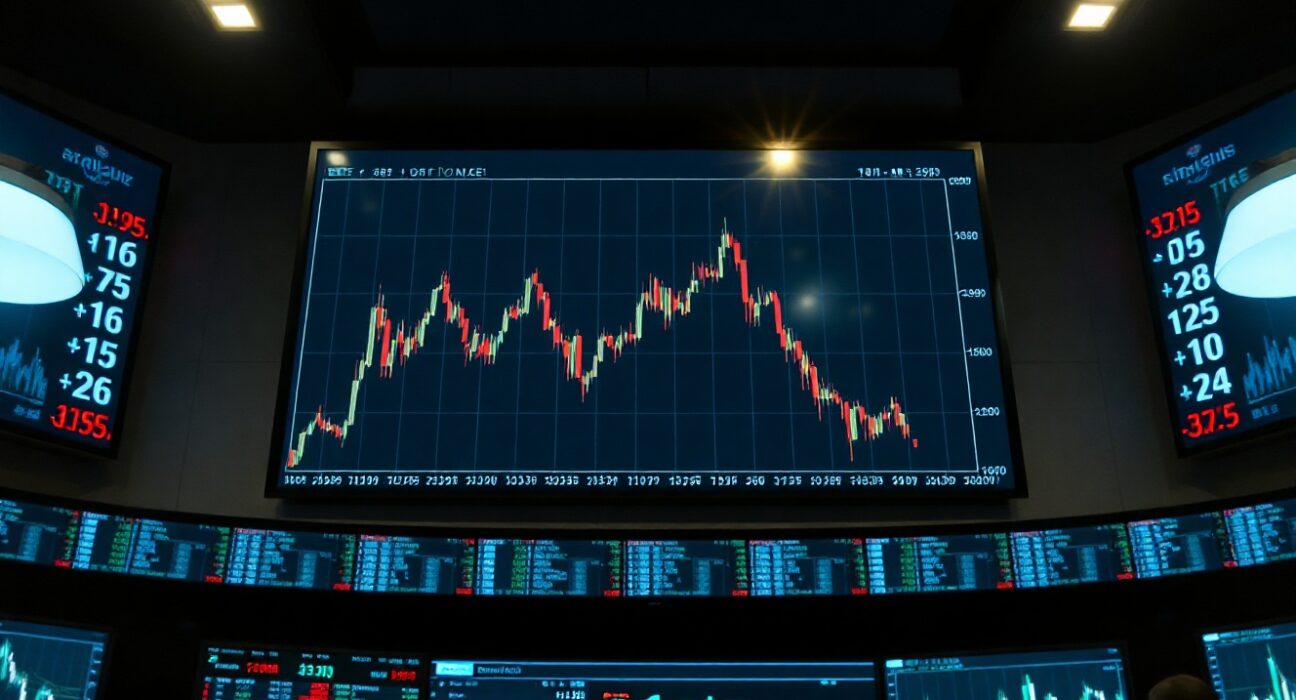
A recent academic paper posted on arXiv analyzed seven major Bitcoin liquidation events and concluded that accurately predicting any individual crash in advance remains extremely difficult. The study, which examined data on price, leverage, and order flow, found that none of these metrics provided a clear warning signal before the sell-offs.
Key Findings from the Liquidation Event Analysis
The researchers observed that in six of the seven cases, market order volatility decreased prior to the crash, but they characterized this as a weak indication that markets were turning quiet—not a reliable predictor of the timing or magnitude of a sell-off. Price action showed slowing upward momentum in five of the seven instances, but the other two crashes were triggered by sudden external shocks, such as tariff announcements, with no prior warning signs.
The paper emphasizes that while certain patterns do recur before sharp Bitcoin declines, using any single indicator to forecast the next liquidation-driven plunge is fraught with difficulty. It also notes that conventional price- or leverage-based warning signals may be of limited use when a liquidation event is sparked by unexpected macroeconomic news or policy shifts.
Implications for Traders and Market Watchers
For traders and analysts, the study underscores the inherent unpredictability of Bitcoin’s market structure. Liquidation cascades, where forced selling amplifies price drops, remain a persistent risk, but their triggers are often opaque. The findings suggest that risk management strategies should account for sudden, externally driven shocks rather than relying solely on technical indicators.
Why This Matters for the Broader Crypto Market
This research contributes to a growing body of work on cryptocurrency market microstructure. Understanding the limits of prediction is crucial for institutional investors and retail traders alike, as it highlights the importance of position sizing and stop-loss planning. It also reinforces the need for robust regulatory frameworks that can mitigate systemic risks stemming from leverage and cascading liquidations.
Conclusion
The paper offers a sobering reminder that Bitcoin’s volatility is not easily tamed by analytical models. While patterns may emerge in hindsight, the next crash could come without clear warning. For now, market participants must remain prepared for the unexpected, especially in an environment where macroeconomic events can trigger rapid deleveraging.
FAQs
Q1: What were the seven Bitcoin liquidation events studied?
The paper does not specify the exact dates in the provided summary, but it refers to seven past large-scale liquidation events that were analyzed using historical market data. The specific events are not detailed in the available information.
Q2: Can any indicator reliably predict Bitcoin crashes?
According to the study, no single indicator—whether price, leverage, or order flow—provided advance warning of the liquidation events. While lower volatility in market orders was observed in most cases, it was deemed insufficient as a reliable signal.
Q3: How can traders protect themselves if crashes are unpredictable?
Given the difficulty of prediction, traders are advised to use risk management tools such as stop-loss orders, position sizing, and diversification. Being prepared for sudden external shocks, such as policy announcements, is also essential.
Disclaimer: The information provided is not trading advice, Bitcoinworld.co.in holds no liability for any investments made based on the information provided on this page. We strongly recommend independent research and/or consultation with a qualified professional before making any investment decisions.
