

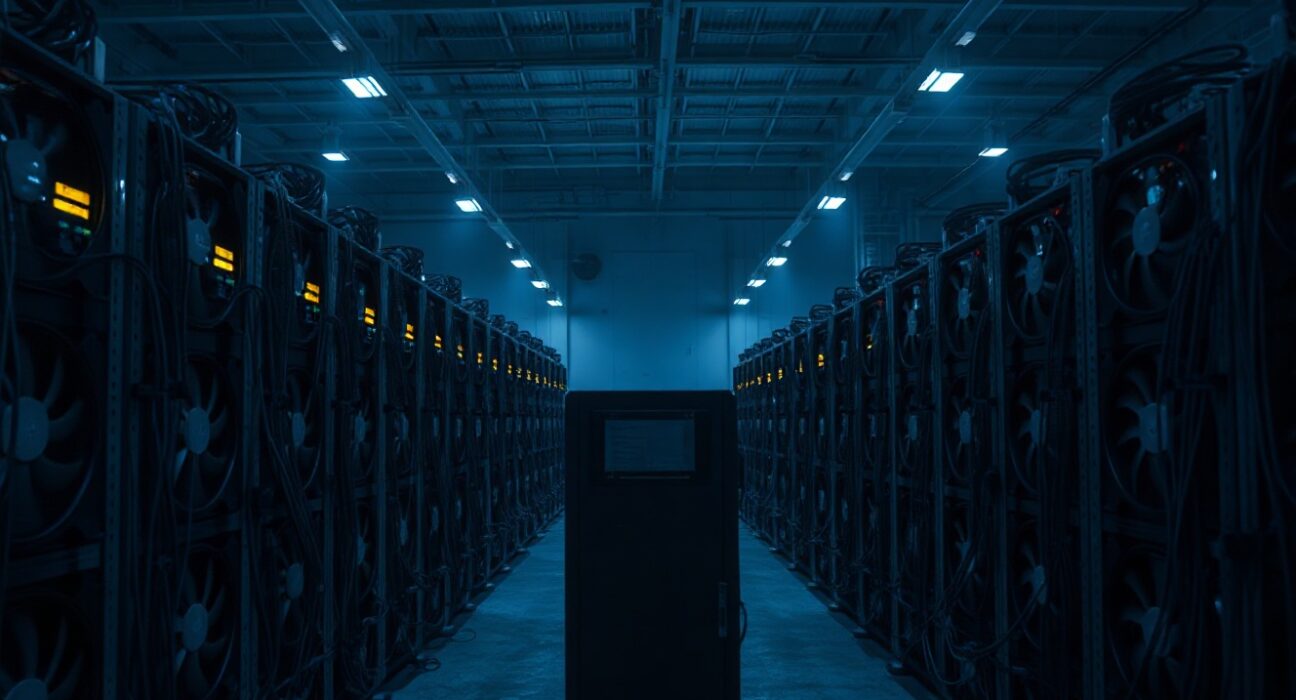
Russia is set to impose a sweeping ban on cryptocurrency mining in Moscow, the Moscow region, and eight municipalities within the Kursk region, effective from August 15 through December 31, 2031. The decree, signed by Russian Prime Minister Mikhail Mishustin, was formally published on August 14, according to Bits.media. The restrictions also extend to residents involved in related activities, including participation in mining pools.
Energy Strain Drives the Ban
The decision follows a formal request from the Moscow region’s energy ministry in April, which urged the central government to curb crypto mining due to excessive power consumption. The regional energy minister reported that electricity usage by mining operations in the Moscow region had exceeded 1 gigawatt (GW), a level that was straining the local grid and contributing to energy shortages. Officials also noted that the activity was not generating meaningful economic benefits for the region, prompting the need for regulatory action.
This new measure is part of a broader pattern of regional mining restrictions across Russia. Since January 1, 2025, the government has already banned mining in several regions, including Dagestan, Ingushetia, Kabardino-Balkaria, Karachay-Cherkessia, North Ossetia, Chechnya, and parts of the Irkutsk region in southern Siberia. These areas have historically faced electricity deficits or subsidized tariffs, making large-scale mining particularly burdensome.
Impact on Miners and the Crypto Industry
The ban will directly affect both industrial mining operators and individual miners in the designated areas. Participation in mining pools, which allow miners to combine computational power and share rewards, is also prohibited. This means that even miners located outside the restricted zones could face legal consequences if they are part of a pool that includes participants from the banned regions.
For the broader crypto industry, the move signals a tightening regulatory environment in Russia. While the country has legalized mining under certain conditions, regional bans reflect a growing concern about energy security and the economic utility of the sector. The Moscow region, in particular, is a major hub for data centers and industrial facilities, making the ban a significant blow to large-scale mining operations that have set up shop there to take advantage of relatively low electricity prices.
Why This Matters
This development is important for several reasons. First, it highlights the ongoing tension between crypto mining and national energy policies, a challenge faced by many countries, including the United States, Kazakhstan, and Iceland. Second, it demonstrates Russia’s willingness to use regulatory tools to prioritize grid stability over the growth of the crypto sector. Finally, it could set a precedent for other regions in Russia to follow suit, potentially leading to a more fragmented mining landscape within the country.
For investors and miners, the ban underscores the importance of regulatory risk assessment when choosing mining locations. It also raises questions about the future of Russia’s crypto industry, which has seen mixed signals from the government—ranging from legalization to strict regional restrictions.
Conclusion
Russia’s decision to ban crypto mining in Moscow, the Moscow region, and parts of the Kursk region from August 15, 2031, reflects a clear priority on energy stability over cryptocurrency development. The ban, which also covers mining pool participation, will likely push mining operations to relocate to more permissive regions or countries. As energy concerns continue to mount globally, this move may serve as a case study for other governments grappling with the high electricity demands of crypto mining.
FAQs
Q1: When does the ban on crypto mining in Moscow take effect?
The ban takes effect on August 15, 2031, and will remain in place until December 31, 2031.
Q2: What activities are prohibited under the ban?
The ban prohibits cryptocurrency mining in the specified regions, including participation in mining pools. This applies to both industrial and individual miners.
Q3: Why is Russia banning crypto mining in these regions?
The primary reason is excessive electricity consumption. In the Moscow region, mining operations consumed over 1 GW of power, straining the local grid and offering little economic benefit to the area.
Disclaimer: The information provided is not trading advice, Bitcoinworld.co.in holds no liability for any investments made based on the information provided on this page. We strongly recommend independent research and/or consultation with a qualified professional before making any investment decisions.
