

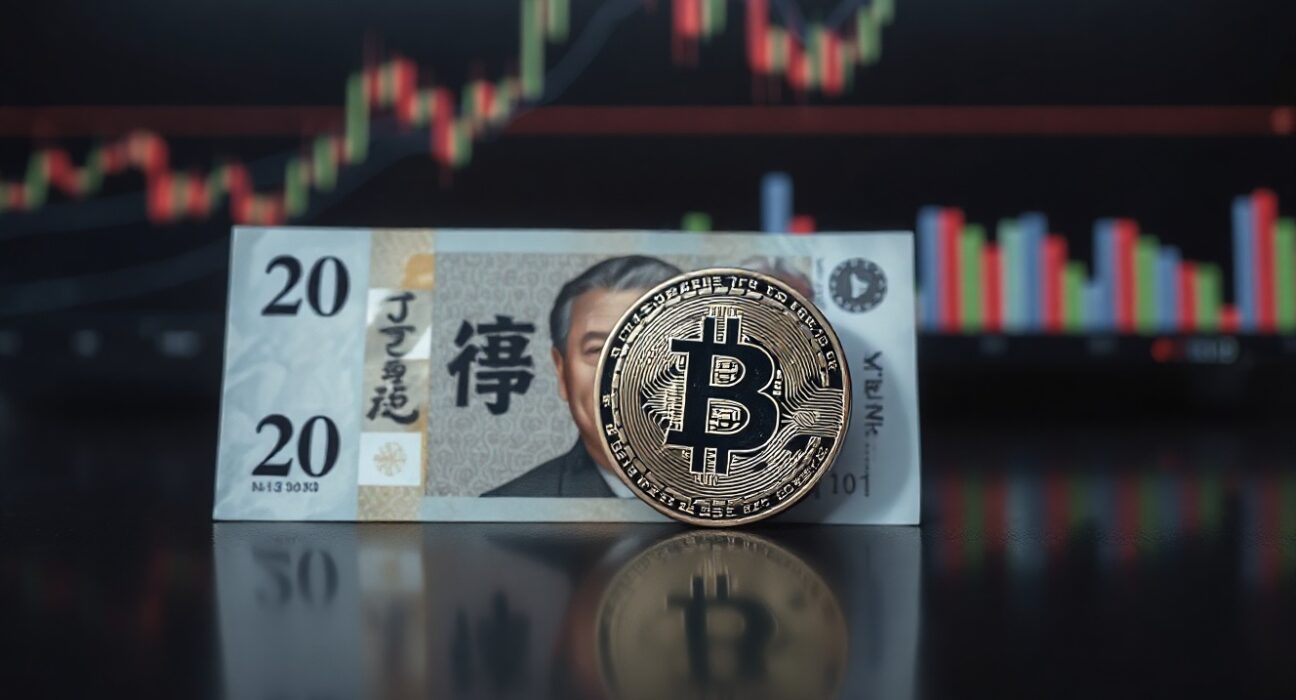
The potential for Japanese authorities to intervene in the foreign exchange market to support the yen is putting Bitcoin and other risk assets on notice for a possible liquidity squeeze, as traders assess the knock-on effects of a major central bank moving against market trends.
Why Yen Intervention Matters for Global Markets
When a major economy like Japan intervenes to strengthen its currency, it typically involves selling foreign reserves, often U.S. Treasuries, to buy yen. This process effectively drains dollar liquidity from the global financial system, which can have a ripple effect across asset classes, including cryptocurrencies. Historically, periods of reduced dollar liquidity have correlated with increased volatility and downward pressure on risk assets like Bitcoin.
The Japanese yen has been under persistent pressure due to the wide interest rate differential between Japan and the U.S. While the Bank of Japan has maintained ultra-low rates, the U.S. Federal Reserve has kept rates elevated, making dollar-denominated assets more attractive. This dynamic has led to sustained yen weakness, prompting verbal warnings from Japanese officials and raising the specter of actual market intervention.
Impact on Bitcoin and Cryptocurrency Markets
Bitcoin, often traded as a risk-on asset, is sensitive to shifts in global liquidity conditions. A yen intervention that tightens dollar liquidity could lead to a stronger dollar and higher borrowing costs, which typically weigh on speculative assets. In the past, similar liquidity squeezes have preceded drawdowns in cryptocurrency prices, as traders reduce exposure to riskier holdings.
Moreover, the crypto market is increasingly correlated with traditional financial markets, particularly in times of stress. The potential for intervention adds another layer of uncertainty, as traders must now factor in the possibility of sudden policy moves from Tokyo. While the direct impact on Bitcoin may be indirect, the indirect effects through liquidity channels are significant.
What Investors Should Watch
Investors should monitor statements from Japanese finance officials for any confirmation of intervention, as well as the actual movement of the yen. A sudden, sharp appreciation of the yen could signal that authorities have stepped in, which would likely be accompanied by a broader risk-off sentiment in global markets. Additionally, watching U.S. Treasury yields and the dollar index can provide clues about liquidity conditions.
For Bitcoin specifically, a liquidity-driven sell-off could present both risks and opportunities. While short-term volatility may increase, long-term holders might view any dip as a buying opportunity, given the asset’s historical resilience. However, it is essential to approach such scenarios with caution, as the interplay between currency intervention and crypto markets is complex and not always predictable.
Conclusion
As Japanese authorities weigh intervention to support the yen, the potential for a global liquidity squeeze is a key risk for Bitcoin and other risk assets. While the direct impact may be indirect, the interconnectedness of modern financial markets means that any major policy move can have far-reaching consequences. Investors should stay informed and prepared for increased volatility in the coming weeks.
FAQs
Q1: What is currency intervention?
Currency intervention is when a central bank or finance ministry buys or sells its own currency in the foreign exchange market to influence its value. In this case, Japan would sell foreign reserves, like U.S. Treasuries, to buy yen, aiming to strengthen the yen.
Q2: How does yen intervention affect Bitcoin?
Yen intervention can reduce global dollar liquidity, which tends to strengthen the dollar and tighten financial conditions. This can lead to reduced risk appetite and downward pressure on assets like Bitcoin, which are considered risk-on investments.
Q3: Is Bitcoin a safe haven during currency crises?
Bitcoin is often debated as a safe haven, but in practice, it has shown high correlation with risk assets during market stress. While it may offer diversification benefits, it is not a traditional safe haven like gold or U.S. Treasuries, and its price can be volatile during liquidity squeezes.
Disclaimer: The information provided is not trading advice, Bitcoinworld.co.in holds no liability for any investments made based on the information provided on this page. We strongly recommend independent research and/or consultation with a qualified professional before making any investment decisions.
