

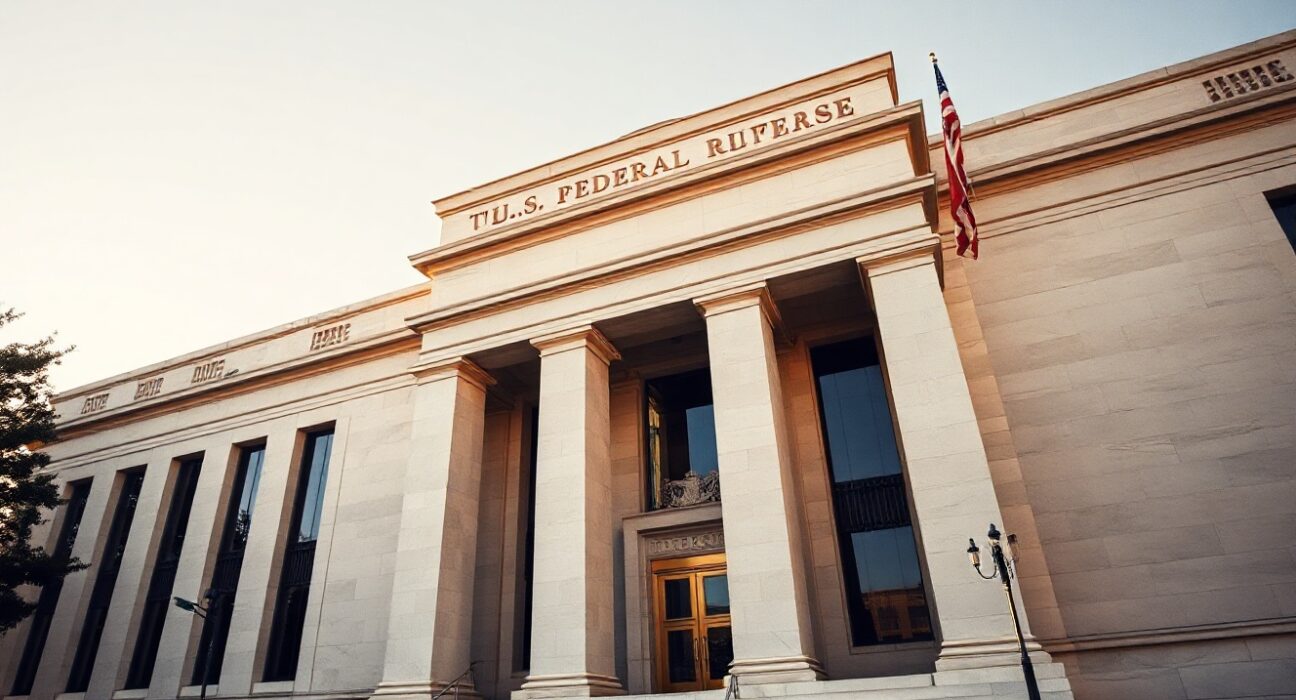
The Financial Times reports that Federal Reserve Chair Kevin Warsh has indicated a willingness to support a benchmark interest rate increase in September if upcoming inflation data comes in above current forecasts. The remarks, which were not made in a formal speech but relayed through the FT’s sources, suggest a notable shift in the central bank’s policy stance as it balances price stability with economic growth.
Context: Why a September Hike Is Now on the Table
For much of the past year, the Fed has maintained a cautious approach, pausing rate adjustments to assess the trajectory of inflation and employment. However, recent economic indicators have shown stubborn price pressures in services and shelter costs, leading some policymakers to reconsider the need for further tightening.
Warsh’s reported openness to a hike in September aligns with the Fed’s data-dependent framework. The central bank has repeatedly emphasized that future decisions will hinge on incoming data rather than a predetermined path. If inflation prints in July and August exceed the Fed’s projections, a rate increase would be a logical response to prevent expectations from becoming unanchored.
Market and Consumer Implications
Financial markets have already begun pricing in a higher probability of a September move, with Treasury yields ticking upward and interest-rate-sensitive sectors showing volatility. A rate hike would raise borrowing costs for mortgages, auto loans, and credit cards, potentially cooling consumer spending. For businesses, higher financing costs could slow capital investment, particularly in real estate and manufacturing.
Conversely, a failure to act on unexpectedly high inflation could erode the Fed’s credibility and allow price pressures to become entrenched. The central bank’s dual mandate—price stability and maximum employment—requires a delicate balance, and Warsh’s stance reflects the growing concern among policymakers that inflation may not be returning to the 2% target as quickly as hoped.
What to Watch in the Coming Months
Investors and economists will closely monitor the July Consumer Price Index (CPI) and Producer Price Index (PPI) reports, due out in mid-August. Additionally, the Fed’s preferred inflation gauge, the Personal Consumption Expenditures (PCE) index, will provide further clarity. Any significant upside surprise could solidify the case for a September hike, while a cooling trend might keep rates unchanged.
Fed officials have also flagged the importance of wage growth and labor market conditions. Strong employment numbers could reinforce the case for tightening, as a tight labor market often leads to higher wages and, subsequently, higher prices.
Conclusion
Chair Warsh’s reported willingness to raise rates in September underscores the Fed’s commitment to controlling inflation, even as it risks slowing economic momentum. The decision will ultimately depend on the data, but the market and the public should prepare for the possibility of higher borrowing costs. As always, the Fed’s actions will be closely scrutinized for signals about the future path of monetary policy.
FAQs
Q1: What is the likelihood of a September rate hike?
The likelihood is uncertain and depends on upcoming inflation and employment data. Markets are pricing in a moderate probability, but the Fed has emphasized it will make decisions based on the latest figures.
Q2: How would a rate hike affect the average consumer?
A rate hike would increase borrowing costs for mortgages, auto loans, and credit cards, potentially reducing disposable income. Savings accounts and certificates of deposit might see slightly higher yields.
Q3: Why does the Fed care about inflation expectations?
If consumers and businesses expect higher inflation, they may act in ways that perpetuate it, such as demanding higher wages or raising prices. The Fed aims to keep expectations anchored near its 2% target to maintain price stability.
Disclaimer: The information provided is not trading advice, Bitcoinworld.co.in holds no liability for any investments made based on the information provided on this page. We strongly recommend independent research and/or consultation with a qualified professional before making any investment decisions.
